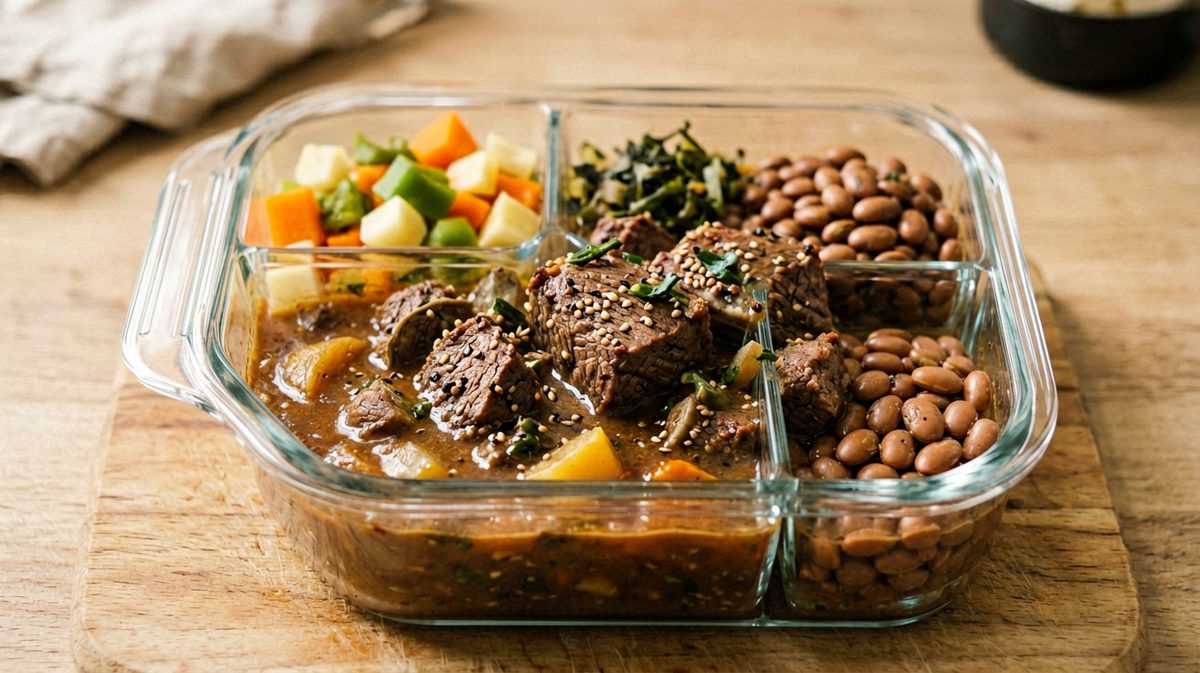
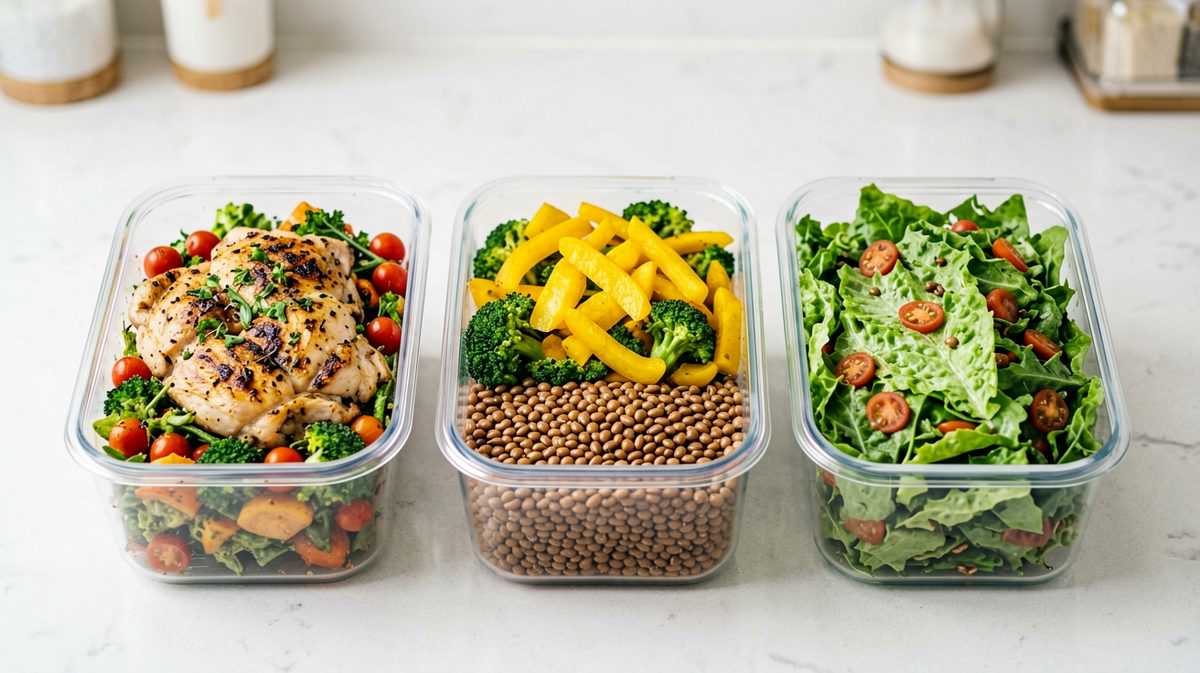
Beef stew keto meals work best when they are built around tender beef, a savory broth, and vegetables that add flavor without turning the pot into a high-carbohydrate dish. Traditional stew often relies on potatoes, flour, sweetened broth, or a large amount of carrots. A keto-friendly approach does not require removing the comfort from the bowl. It requires choosing the vegetables, thickener, and serving size deliberately so the beef remains the center of the meal.
This guide explains how to choose beef, build a deep-flavored broth, replace potatoes, thicken the stew without ordinary flour, and store portions for later meals. It also covers labels, portability, reheating, and common mistakes. No packaged ingredient is automatically keto simply because the front of the package says so. If you count carbohydrate for a medical reason, use the nutrition information from the exact products you buy and follow your own professional guidance. This is a general recipe and meal-planning guide, not individualized medical advice.
What makes a beef stew keto?
A keto beef stew has a protein base, a controlled amount of low-carbohydrate vegetables, a broth or stock with a transparent ingredient list, and a thickener that fits the cook's plan. The most common sources of unexpected carbohydrate are potatoes, flour, cornstarch, sweet wine, tomato products added without measuring, and prepared gravy mixes. Large servings of onions and carrots can also add up even though they are vegetables.
The goal is not to make the stew carbohydrate-free. Beef contains no meaningful carbohydrate, but vegetables and packaged ingredients can contribute some. The useful question is whether the final serving fits your personal target and keeps the texture and flavor satisfying. A stew with mushrooms, celery, turnip, cabbage, or a measured amount of carrot can still be hearty without depending on potatoes.
Choosing beef for stew
Chuck roast
Chuck roast is a dependable choice because it contains connective tissue that softens during slow cooking. Cut it into large, even pieces so it does not disappear into the broth. Pieces around one and one-half inches are large enough to remain recognizable after cooking but small enough to serve easily. Trim only the hard pieces of fat; some marbling helps the stew stay rich.
Stew meat
Pre-cut stew meat is convenient, but the pieces may come from different areas and may not cook at the same rate. Inspect the package and trim very large pieces so the batch is more even. Look at the label for added broth, seasoning solution, or marinade. Plain beef is easier to calculate than beef that has already been treated with a sauce.
Short ribs or brisket
Short ribs and brisket can produce a luxurious stew, although they may add more fat and require longer cooking. Use them when you want a special batch or a very rich broth. If you use bone-in pieces, remove the bones before portioning and remember that the finished yield will be different from the raw weight.
Vegetables that replace potatoes
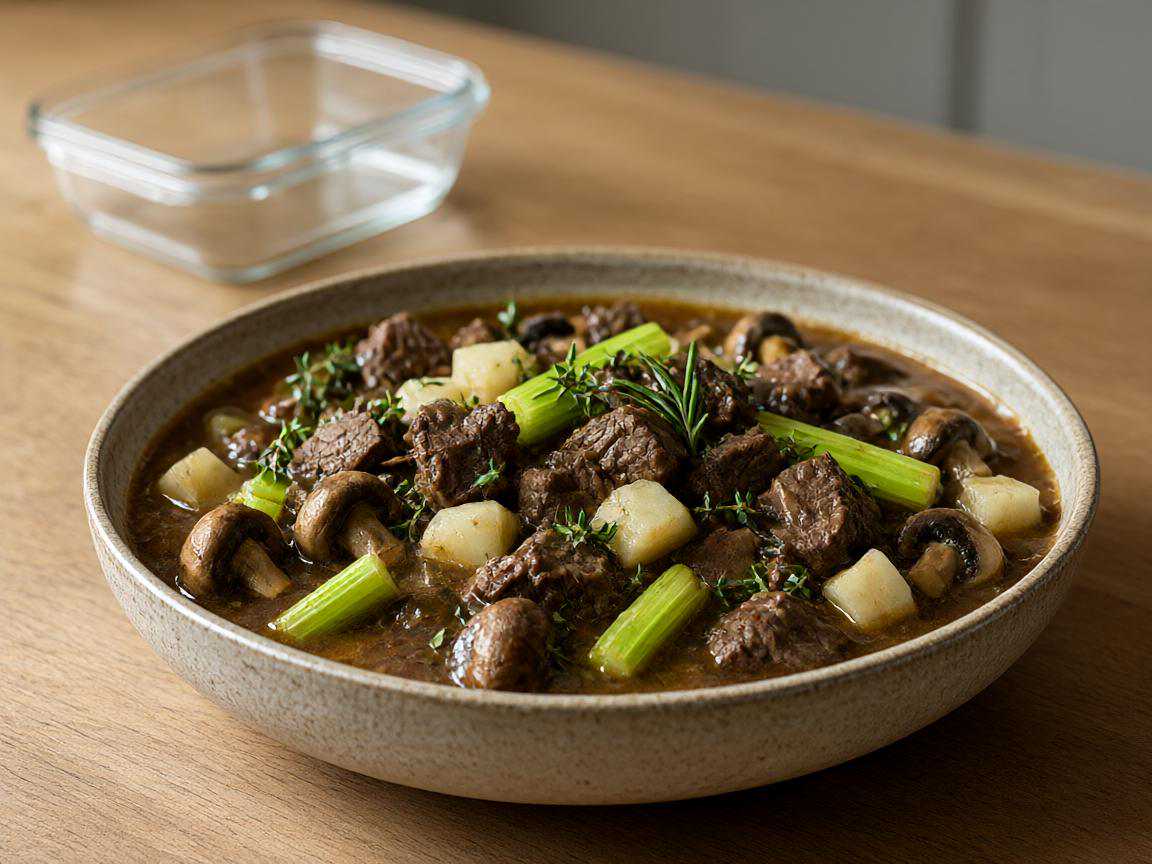
Turnip, rutabaga, cauliflower, mushrooms, celery, cabbage, and zucchini can all play a role in a keto stew. Their textures are different, so choose based on the style you want. Turnip and rutabaga give a firm, potato-like bite, while cauliflower becomes softer and works well as a thickener. Mushrooms add a meaty flavor and absorb the broth. Celery adds aroma without dominating the bowl.
Radishes can also be used, especially when they are roasted or simmered long enough to lose their sharpness. Green beans make the stew feel more like a complete meal but should be added late so they do not become gray and soft. If you use carrots, treat them as a measured flavor ingredient rather than filling half the pot with them.
Frozen vegetables can be practical, but check for sauces or seasoning blends. A bag labeled plain may still have added ingredients, and a vegetable blend can contain peas or corn. Read the nutrition panel and ingredient list together. If you are serving a range of portions, weigh or measure the vegetables before adding them so the carb estimate is repeatable.
Core ingredients for a keto beef stew
For a four-to-six serving pot, start with two pounds of beef chuck or stew meat, one tablespoon of cooking fat, one medium celery stalk, one-half cup of diced onion, eight ounces of mushrooms, two cups of lower-sodium beef broth, one cup of water, two teaspoons of tomato paste, two cloves of garlic or one teaspoon of garlic powder, one teaspoon of dried thyme, one-half teaspoon of rosemary, one bay leaf, black pepper, and salt to taste. Add two cups of turnip, cauliflower, cabbage, or another vegetable that fits your plan.
The tomato paste is optional. It provides color and depth, but it is concentrated, so measure it. Beef broth can vary greatly between brands. Look for added sugar, starch, maltodextrin, and very high sodium. Wine is also optional. If you add a small amount of dry red wine, count it as part of the recipe and allow the alcohol and some liquid to cook off. You can create a satisfying pot without it.
Stovetop keto beef stew method
1. Dry and season the beef
Pat the beef dry with paper towels. Moisture on the surface prevents browning and can make the meat steam. Season with black pepper, thyme, rosemary, and a modest amount of salt. If the broth is salty, use less salt now. Let the meat stand for a few minutes while you prepare the pot.
2. Brown in batches
Heat a heavy Dutch oven or deep skillet over medium-high heat. Add the cooking fat and brown the beef in a single layer. Turn the pieces so several sides develop a dark crust. Do not worry about cooking the interior through at this stage. Work in batches if the pot is crowded. Transfer browned beef to a bowl and leave the browned bits in the pot.
3. Build the aromatic base
Lower the heat to medium. Add celery, onion, and mushrooms. Stir them through the browned fat and fond. Cook until the mushrooms release their moisture and begin to color. Add garlic near the end so it does not burn. If the pot looks dry, add a spoonful of broth rather than a large amount of oil.
4. Deglaze and add liquid
Stir in the tomato paste if using. Add the broth and water, scraping the bottom of the pot with a wooden spoon. The browned bits are concentrated flavor. Add the bay leaf and return the beef to the pot along with any juices collected in the bowl. The liquid should come close to the top of the meat but does not need to cover it completely.
5. Simmer gently
Bring the pot to a gentle simmer, then lower the heat. Cover it partially and cook for about one and one-half to two and one-half hours, depending on the size of the beef pieces and the cut. Stir occasionally and check the liquid. The stew should move slowly, not boil hard. A violent boil can make the meat tighten and cause the broth to evaporate too quickly.
6. Add quick-cooking vegetables
Add cauliflower, zucchini, green beans, or cabbage during the last 20 to 35 minutes. Turnip and rutabaga may need more time, so add them earlier with the beef. Adding every vegetable at the start can lead to a pot where the beef is tender but the vegetables have dissolved. Taste as the vegetables soften and remove the bay leaf before serving.
Thickening the broth without ordinary flour
A stew does not need a thick gravy to feel substantial. If the broth tastes rich and the meat is tender, you may prefer to leave it thin. For a more spoon-coating texture, remove a cup of broth and reduce it in a small pan, then return it to the pot. This concentrates flavor without adding a new ingredient.
Cauliflower can thicken the broth naturally. Remove a few cooked florets, blend them with broth, and stir the puree back into the pot. Another option is a small amount of cream cheese or heavy cream added near the end. Dairy changes the flavor and increases energy density, so measure it. If you use xanthan gum, start with a very small pinch whisked into a separate cup of warm broth. It thickens quickly and can become gummy when overused.
Some low-carb cooks use a small amount of arrowroot or another starch. That can work for a personal plan, but starch is not carbohydrate-free. Read the package and count the amount in the finished recipe. The same label-reading habit matters for bread and other convenience foods; our 92nd keto bread guide explains how serving size and ingredient order can change a product comparison.
Flavor variations
Garlic and herb stew
Use extra thyme, rosemary, parsley, and black pepper, then finish with a small splash of lemon juice. The acid brightens a rich broth without making it sweet. This version pairs well with cauliflower or cabbage and keeps its flavor after reheating.
Mushroom pepper stew
Add extra mushrooms and cracked pepper, then finish with a spoonful of sour cream. Remove the pot from the heat before adding the sour cream so it does not split. Taste before adding salt because mushrooms concentrate the flavor of the broth as they cook.
Tomato-forward stew
Use a measured amount of crushed tomatoes or tomato paste with paprika, oregano, and garlic. Check the tomato label because some sauces include sugar. This style is closer to a braised beef dish, and it works with zucchini or green beans.
Nutrition and label criteria
Calculate the stew from the exact ingredients you use. Beef contributes protein and fat, while the vegetables, broth, tomato paste, dairy, and thickener determine much of the carbohydrate variation. If you use bone-in beef, calculate from the edible cooked portion rather than assuming the raw package weight becomes food on the plate.
Broth deserves special attention. A carton can contain sugar, starch, or flavor enhancers that are not obvious from the front. Compare the serving size with the amount used. If the broth is concentrated, follow the dilution instructions and count the concentrate. Bouillon powders can be convenient but are often high in sodium and may include starches or sugar.
Seasoning packets can also change the recipe. Onion soup mix, gravy mix, and stew seasoning may contain flour or maltodextrin. If you want the convenience of a mix, read the full label and measure the actual amount. Otherwise, dried herbs, garlic, pepper, paprika, and mustard powder give you more control.
Remember that “net carb” calculations are not universal. Fiber, sugar alcohols, and personal tolerance can differ. Use the nutrition method that matches your plan, and do not treat a recipe estimate as a guarantee for every brand.
Storage and safe reheating
Divide the finished stew into shallow containers so it cools more evenly. Do not leave a large Dutch oven on the counter for a long time. Once the heavy steam has reduced, refrigerate the portions promptly. Label each container with the date. Use refrigerated stew within a few days, and discard it if it develops an off smell, mold, unusual bubbling, or a texture that seems unsafe.
Reheat one portion at a time on the stovetop over medium-low heat. Add a tablespoon or two of broth if the liquid has thickened in the refrigerator. Stir gently and heat until the center is hot. In a microwave, cover the container loosely, heat in short intervals, and stir between intervals. Repeated heating and cooling of the entire batch can reduce quality and increase food-safety risk.
Meal prep and portability
Beef stew is naturally useful for batch cooking because the flavor often improves after a night in the refrigerator. Portion one serving of beef and vegetables into each container, then add enough broth to keep the meat moist. If you want more control over texture, store the broth in a separate leakproof cup and combine it when reheating.
For an office lunch, use a sturdy container with a tight seal. Carry it in an insulated bag with a frozen pack and reheat it thoroughly at work. If you have no microwave, pack the stew in a thermos that has been preheated with boiling water, then emptied before the hot stew is added. Keep the portion size visible rather than eating from the main pot.
A stew can also become a portable snack-sized meal when you use a small container with a few ounces of beef, vegetables, and broth. Pair it with a simple side instead of adding bread or crackers automatically. The office snacks guide has more ideas for carrying protein-based foods and keeping portions organized.
Freezing keto beef stew
Freeze the stew only after it has cooled in the refrigerator. Use freezer-safe containers and leave room for expansion. Plain broth-based stew usually freezes better than a cream-based version. Dairy may separate, but vigorous stirring and gentle reheating can sometimes restore the texture. Zucchini and cauliflower may become softer after freezing, so add fresh herbs or a crisp side after reheating.
Thaw frozen stew in the refrigerator rather than on the counter. Reheat it gently with a splash of broth. If the sauce has separated, do not turn the heat up sharply. Stir slowly and add a small amount of fresh seasoning at the end. Freeze in single portions so you do not need to thaw the whole batch for one meal.
Common mistakes
- Using potatoes by habit: replace them with measured turnip, cauliflower, mushrooms, cabbage, or another vegetable that fits your plan.
- Skipping browning: browning creates flavor that a long simmer alone cannot reproduce.
- Boiling hard: a gentle simmer is more reliable for tender beef.
- Adding all vegetables at the beginning: quick-cooking vegetables can turn mushy.
- Overusing thickener: flour, starch, and xanthan gum can change texture and nutrition quickly.
- Ignoring broth labels: sugar and starch can hide in stock, bouillon, and seasoning packets.
- Cooling the whole pot slowly: shallow containers are safer and easier to portion.
- Reheating the full batch repeatedly: reheat only what you plan to eat.
Frequently asked questions
Can I make beef stew keto in a slow cooker?
Yes. Brown the beef and aromatics first if you have time, then transfer them to the slow cooker with broth and seasonings. Add quick-cooking vegetables later or accept a softer texture. Add cream cheese, sour cream, or heavy cream near the end rather than at the beginning.
Can I use carrots?
You can use a measured amount if it fits your carbohydrate target. Carrots contribute more carbohydrate than leafy greens, mushrooms, or celery, but a small quantity can provide color and flavor. Count the amount in the complete batch and divide it by the number of servings.
Why is my stew meat tough?
It may need more time at a gentle simmer, or it may have been cooked at too high a temperature. Toughness does not always mean the meat is overcooked; collagen can need additional time to soften. Keep the pot covered, maintain a low simmer, and check again after another 20 to 30 minutes.
Can I use coconut flour to thicken stew?
Coconut flour absorbs a great deal of liquid and can make the broth pasty. If you use it, add a very small amount and whisk thoroughly. Cauliflower puree, reduction, or a measured low-carb thickener may be easier to control.
What should I serve with keto beef stew?
Cauliflower mash, roasted cabbage, green beans, sautéed mushrooms, zucchini, or a simple salad all work. Choose one or two sides and keep portions visible. The meal-prep hub can help you plan the stew with vegetables and reheating steps.
Final approach
The most reliable beef stew keto method is simple: brown the beef in batches, build flavor from the vegetables and pan fond, use broth with a checked label, simmer gently, and add quick-cooking vegetables at the right time. Replace potatoes with a measured combination that fits your plan, thicken only when needed, and portion the finished pot before storage. When the recipe is prepared this way, it remains comforting, practical, and suitable for repeatable meal prep without pretending that every ingredient has the same nutritional effect.
For more low-carb meal and snack ideas, visit the Smart Snack Fuel snack ideas hub. A satisfying routine comes from clear portions, honest labels, and recipes that still taste good after a busy day.