92nd Keto Bread: A Practical Label and Use Guide
A practical guide to evaluating 92nd keto bread, including label details, texture, serving context, storage, portability, and product limitations.
Primary focus: 92nd keto bread. This article is written for someone deciding whether a packaged keto bread fits a portable snack or meal routine and keeps the recommendation tied to a real use case.
Quick answer
Use 92nd keto bread as a structured convenience, not as a magic food. Start with the product’s ingredient list, serving size, fiber sources, protein additions, fats, sodium, preservatives, and the foods used alongside a slice. Put the intended portion in a visible container, add the companion that supplies fiber, produce, texture, or flavor, and plan storage before you leave the kitchen. The right version is the one that is safe, enjoyable, affordable, and easy enough to repeat during sandwiches, toast-style snacks, packed lunches, freezer rotation, and structured portions where bread is one component rather than the whole meal.
| Decision point | Practical standard | Why it matters |
|---|---|---|
| Anchor | Choose a clear protein or meal base | Makes the purpose of the food visible |
| Companion | Add produce, fiber, texture, or a measured sauce | Improves satisfaction and variety |
| Boundary | Set a portion, container, or storage limit | Prevents convenience from becoming automatic grazing |
| Backup | Keep one simpler alternative nearby | Protects the plan when the day changes |
Why the structure works
The useful question is not whether 92nd keto bread is perfect. The useful question is whether it makes a specific part of someone deciding whether a packaged keto bread fits a portable snack or meal routine easier. A food can be convenient and still need a portion, a partner food, or a storage plan. It can also be nutritious on paper and still be a poor fit if it is difficult to eat, too messy to carry, or likely to trigger an all-or-nothing response. This guide treats the idea as a practical tool: define the job, choose a dependable base, add enough texture and flavor to make it satisfying, and build a fallback for the day when the original plan changes.
For most people, the strongest structure starts with a clear protein anchor and a source of fiber or volume. In this context, that might mean the product’s ingredient list, serving size, fiber sources, protein additions, fats, sodium, preservatives, and the foods used alongside a slice. The exact combination depends on appetite, schedule, dietary pattern, allergies, budget, and access to refrigeration. Protein can make a small eating occasion more substantial, while fiber-rich plants and other high-volume foods can add chew, color, and staying power. Neither is a magic guarantee of weight loss; they are simply useful design features for a routine that needs to work repeatedly.
Start by writing the job in one sentence: “This is for sandwiches, toast-style snacks, packed lunches, freezer rotation, and structured portions where bread is one component rather than the whole meal.” That sentence prevents a common mistake, which is choosing a food because it sounds healthy without checking whether it solves the actual problem. A desk snack needs quiet packaging and a sensible portion. A road-trip item needs stability and low mess. A make-ahead meal needs texture that survives chilling and reheating. A product guide needs label criteria. Once the job is clear, it becomes much easier to reject choices that look attractive but create friction later.
Use a three-part build when you can: an anchor, a companion, and a boundary. The anchor supplies the main protein or meal identity. The companion adds fiber, produce, texture, or a complementary flavor. The boundary is the amount you plan to eat now, the container you will use, or the storage limit that keeps the decision concrete. This is more useful than a vague instruction to “eat clean,” because it creates a repeatable action. You can swap the ingredients without losing the structure.
Build the food around the occasion
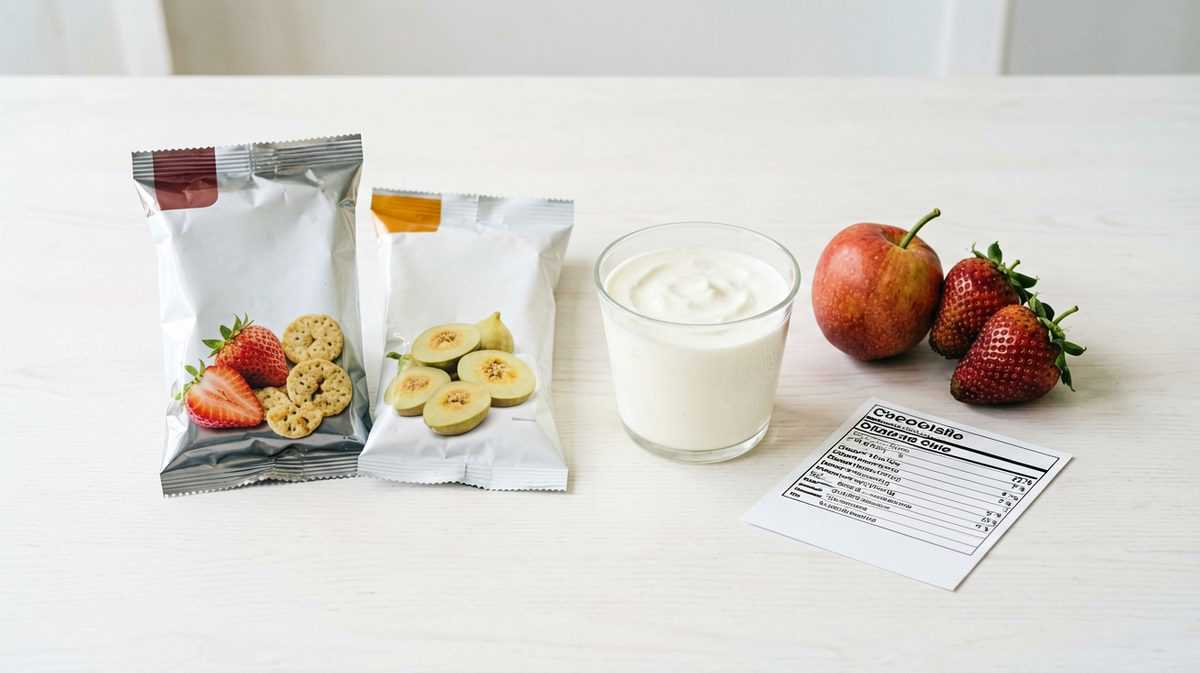
When evaluating 92nd keto bread, start with the current package rather than an old review or a marketing phrase. Check the serving size, total carbohydrate, fiber, protein, calories, sodium, fats, sweeteners, and the full ingredient list. The label can help you understand how the product fits a meal, but it cannot tell you whether you will enjoy the texture, tolerate the ingredients, or find the price worthwhile.
Packaged keto bread is most useful when it solves a specific problem: a sandwich that is easy to carry, toast that makes a snack feel complete, or a freezer item that extends grocery flexibility. Pair a slice with an obvious protein and produce when the occasion calls for a meal. Examples include egg salad with cucumber, tuna with greens, cottage cheese with tomatoes, or chicken with a mustard-based spread. The bread is one part of the plate.
Portioning is not a demand for mathematical precision. It is a way to prevent a convenient food from becoming an unplanned series of bites. For packaged foods, start with the labeled serving size, then decide whether that serving matches the occasion. For home-prepared foods, use a container that makes the intended portion visible. If you are still hungry, add a planned companion rather than treating the first portion as a failure. Hunger, activity, sleep, and meal timing all influence what feels adequate, so the goal is a useful starting point rather than a rigid prescription.
Texture deserves its own decision. A soft food may be easy to eat but unsatisfying if every element is soft. A crunchy food may feel more complete when paired with a dip, yogurt, eggs, fish, or another protein-rich item. Travel can soften crisp foods, while refrigeration can change the texture of wraps, vegetables, and cooked meats. Pack wet and dry parts separately when possible. This small detail often determines whether a planned option is actually chosen over a last-minute purchase.
Flavor is part of adherence, not decoration. Build a small rotation of sauces, herbs, spices, acids, and textures instead of changing the entire recipe every day. Lemon, vinegar, yogurt, mustard, salsa without added sugar, herbs, toasted seeds, and a measured oil-based dressing can create different experiences from the same base. Check labels when using packaged sauces, especially for sodium, added sugar, and serving size. A flexible flavor system also makes leftovers feel intentional rather than repetitive.
A safe storage plan is part of the recipe. Cool cooked food promptly in shallow containers, keep chilled foods cold, and use an insulated bag with an ice pack when a meal will be away from a refrigerator. Do not rely on smell alone to decide whether food is safe. When a plan includes meat, dairy, eggs, seafood, or cooked leftovers, follow current local food-safety guidance and the storage instructions on the product. If you cannot keep a perishable food cold, choose a shelf-stable alternative instead of stretching the storage window.
Preparation, packing, and storage
Texture changes with storage. Some breads are better toasted, while others are more useful cold. Keep the package sealed, follow the manufacturer’s storage directions, and freeze portions if the product allows it and the texture remains acceptable after thawing. Do not assume that every bread can sit at room temperature for the same length of time. Use current packaging as the authority for storage and dates.
A product comparison should include what the bread replaces and what it adds. If the product is very high in fiber, that may be useful for some people but uncomfortable for others. If it is high in sodium, the rest of the meal may need attention. If it is expensive, an egg-based or vegetable-based snack may be a better everyday option. The right choice depends on role, budget, taste, and tolerance.
The best preparation rhythm is usually smaller than people expect. Make one main component, one produce component, and one flavor component, then assemble them in different combinations. For example, the product’s ingredient list, serving size, fiber sources, protein additions, fats, sodium, preservatives, and the foods used alongside a slice can be portioned into a snack, a bowl, a wrap, or a small plate depending on the day. This approach reduces decision fatigue without forcing you to eat identical meals. Label containers with the date and intended use, and keep one unassembled backup when texture matters.
On a difficult day, use the minimum viable version. Keep the anchor, add one easy companion, and skip the elaborate garnish. The minimum version might be a single-serve dairy food with fruit, chicken with pre-washed greens, a bar with water, or stew reheated in a microwave-safe container. This is not lowering the standard; it is protecting continuity. A routine that survives busy days is generally more useful than a plan that works only when energy, time, and appetite all cooperate.
Common mistakes are predictable. People buy a product based only on the front label, prepare more food than they can safely store, confuse a low-carbohydrate label with a balanced meal, or carry a “healthy” snack that is so inconvenient it stays untouched. Another mistake is removing every food that brings pleasure and then compensating later. Use a practical standard instead: clear ingredients, a portion you can recognize, enough protein or fiber for the job, a taste you will eat, and a storage plan that matches the day.
Make it work across a real week
Avoid treating the word “keto” as a guarantee of weight-management value. A bread can fit a low-carbohydrate pattern and still be easy to overeat, low in protein, or poorly matched to a particular meal. Use a visible serving, add a protein anchor, and judge the product by how it works in your routine over several uses. If the package changes, repeat the label check.
Budget matters because consistency depends on repeat purchases. Compare cost per serving, not only package price. Use one affordable base repeatedly and vary flavor with inexpensive additions. Frozen vegetables, canned fish, eggs, plain yogurt, beans or lentils when appropriate, seeds, and seasonal produce can all play different roles. If a specialized product is expensive, treat it as a convenience option and keep a lower-cost backup. A plan that requires premium packaged foods every day may be less sustainable than a simpler one built from ordinary groceries.
A useful weekly review asks four questions: Did the food travel or store as expected? Did the portion match the occasion? Did the texture and flavor make it easy to choose? What was left over, and why? Use the answers to adjust the system rather than judging yourself. If a container came home untouched, perhaps the food was too messy, too bland, too large, or unavailable at the right moment. Small operational changes usually beat adding more rules.
This idea can support a weight-management routine, but it cannot determine an individual calorie need, medical suitability, or rate of change. People with diabetes, kidney disease, gastrointestinal conditions, food allergies, a history of eating disorders, or other clinical needs may require individualized guidance. Ingredient labels and formulations also change. Use this article as a planning framework, confirm current packaging, and ask a qualified professional for advice when the context is medical rather than simply practical.
Useful combinations and substitutions
- Keep the anchor and switch the companion: use the product’s ingredient list with a different vegetable, sauce, or texture.
- If refrigeration is available, favor fresh protein and produce; if it is not, select shelf-stable options and follow the package guidance.
- If you need more volume, add vegetables or another suitable fiber-rich food; if you need more energy, increase the planned meal component rather than grazing later.
- If a food is not tolerated, replace it by role: protein for protein, crisp texture for crisp texture, and a portable container for another portable container.
- If the recipe or product is expensive, keep the method and substitute a familiar lower-cost ingredient with a similar role.
Questions readers often ask
Is 92nd keto bread automatically good for weight loss?
No. 92nd keto bread can make a routine easier when the portion, ingredients, and timing fit the person using it. Weight change is influenced by total intake, activity, sleep, health, medications, and many other factors. Treat this guide as a practical planning aid, not a promise of a specific result.
How much should one serving be?
Use the label when the food is packaged and a container or ordinary household measure when it is prepared at home. Then compare the portion with the occasion. A bridge snack, a full lunch, and a long travel delay do not require the same amount. If hunger remains, add a planned companion and observe how the next meal is affected.
Can it be prepared ahead?
Usually, yes, if the components are stored in the right conditions and the texture remains appealing. Prepare only what you can safely use, cool cooked food promptly, separate wet and dry parts when needed, and label dates. For 92nd keto bread, the most useful prep is the smallest batch that removes a future decision without creating waste.
What should I do if the plan fails?
Use the minimum viable version: keep the anchor, add one easy companion, and move on to the next normal meal. Review the operational problem later. The food may have been hard to carry, too bland, too large, or unavailable at the right time. Fix the system instead of compensating with stricter rules.
Internal reading path
For the broader context, begin with the product guides section, then read a closely related guide for a closely related decision. If your routine also involves packing or batch preparation, continue to a neighboring planning guide and another practical resource. These links are marked in the HTML with the Smart Snack Fuel internal-link data attribute for editorial QA.
Bottom line
A useful 92nd keto bread is not defined by a slogan. It is defined by a clear job, a protein or meal anchor, a companion that makes the food more satisfying, a visible boundary, and a storage plan that matches the day. Start with one version you will actually eat, test it during the situation where you need it, and make one small adjustment at a time.