A keto bake recipe is most useful when it gives you a dependable method rather than one vague promise about replacing wheat flour. Lower-carbohydrate baking changes the balance of moisture, structure, sweetness, and browning. Almond flour, coconut flour, eggs, cheese, seeds, psyllium, and nut butters all behave differently. A good result comes from matching the ingredient to the type of bake you want.
This guide explains a flexible low-carb baking method and several ways to use it for breakfast squares, savory muffins, biscuits, snack bars, and a simple sweet loaf. It covers ingredient selection, portion planning, labels, troubleshooting, storage, portability, and honest disclosures. The recipes are designed to stay practical and directly related to keto-style baking, not to fill space with unrelated diet advice.
If you are choosing a packaged base or bread alternative, begin with the keto bread guide. The same attention to serving size, ingredients, texture, and use case applies to baked snacks.
What changes in keto baking?
Traditional baking uses wheat flour for starch, gluten, and structure. A low-carb bake usually removes much of the starch and replaces it with nut flour, seed flour, fiber, eggs, dairy, or a combination. The finished product may be moist, crumbly, chewy, or dense depending on the formula. It is better to expect a different food than to judge every bake against a fluffy wheat cake.
Almond flour provides fat and a tender crumb. Coconut flour absorbs a great deal of liquid and can create a dry result if used casually. Ground flaxseed adds structure and a slightly earthy flavor. Psyllium can help dough hold together but requires enough liquid and time to hydrate. Eggs bind and lift, while cheese can create stretch and browning in savory recipes.
Low-carb sweeteners also behave differently from sugar. They may not caramelize, retain moisture, or support browning in the same way. Some create a cooling sensation or digestive discomfort. A recipe can be lower in carbohydrate without reproducing every quality of conventional baking.
A flexible savory bake base
For a small batch of eight snack squares or six muffins, use one cup of finely ground almond flour, two tablespoons of ground flaxseed, one teaspoon of baking powder, one-half teaspoon of salt, two eggs, one-half cup of plain Greek yogurt or sour cream if suitable, two tablespoons of olive oil or melted butter, and one-half cup of shredded cheese. Add herbs, pepper, garlic, or chopped vegetables according to the variation.
Heat the oven to 350°F or 175°C. Line an eight-inch square pan or a muffin tin. Whisk the dry ingredients in one bowl. In another bowl, beat the eggs, yogurt, and oil. Fold the wet mixture into the dry ingredients, then add the cheese and flavorings. The batter should be thick but spoonable. If it is very loose, let it rest for five minutes before adjusting. If it is dry, add liquid one tablespoon at a time.
Spread the batter evenly in the pan or divide it into muffin cups. Bake until the center is set and the edges are lightly browned. Muffins may take less time than a square pan. A skewer should come out with moist crumbs rather than wet batter. Cool for at least fifteen minutes before cutting because the crumb continues to set as it cools.
This base is a framework, not a universal formula. The moisture in yogurt, cheese, vegetables, and eggs varies. Record the ingredient weights and final portion count if you want to reproduce the texture.
Variation 1: herb and cheddar breakfast squares
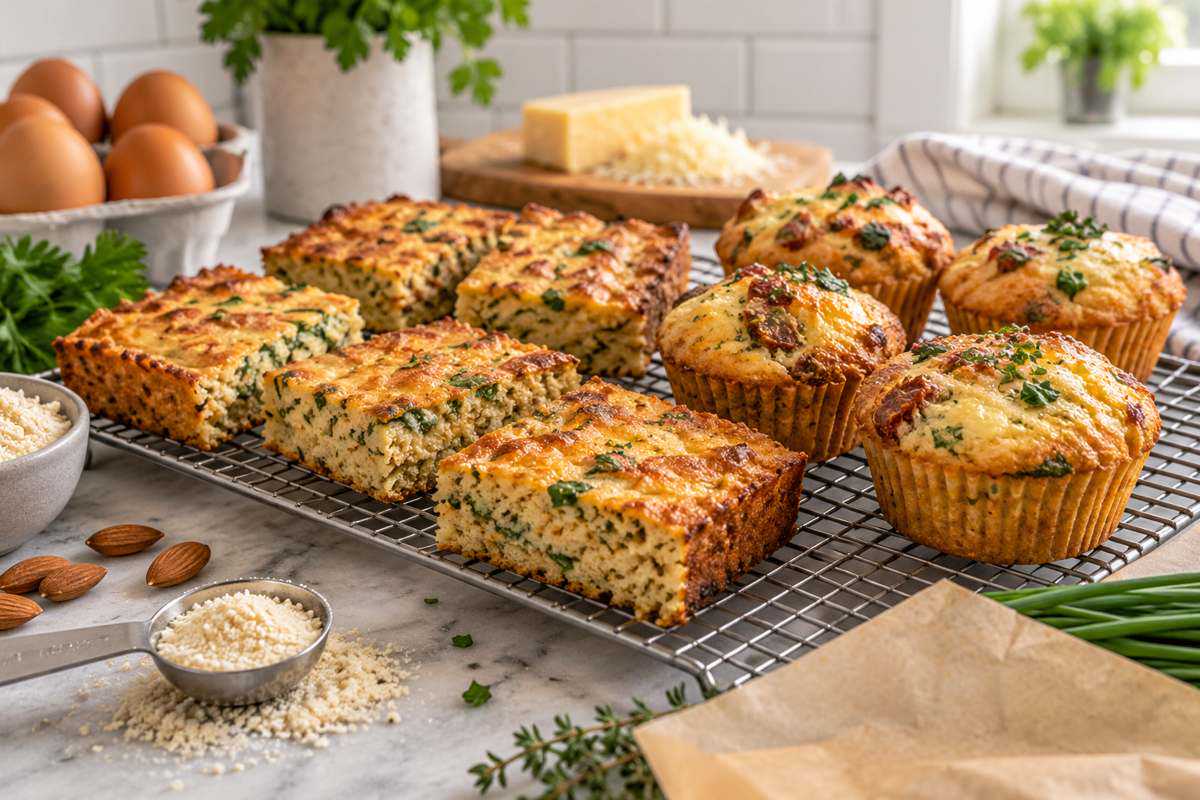
Add chopped chives, parsley, black pepper, and a little smoked paprika to the savory base. Use a sharp cheddar so a small amount supplies clear flavor. Fold in cooked spinach only after squeezing out excess water. A wet vegetable can make the center gummy.
Cut the cooled squares into portions and serve with eggs, chicken, or a crisp salad. They can be warmed gently, but they are also pleasant at room temperature for a short period. If packing them with eggs or dairy, use a cold pack.
Variation 2: zucchini and parmesan muffins
Grate zucchini and squeeze it very dry in a clean towel. Add it to the batter with parmesan, garlic, basil, and pepper. Use smaller muffin cups so each portion bakes evenly. Check the centers because zucchini releases water as it cooks.
These muffins are useful for breakfast or a side dish. The meal-prep hub can help you plan them with a protein batch and fresh vegetables. Keep the muffins separate from sauces until serving.
Variation 3: seed and rosemary snack bars
Replace part of the cheese with pumpkin seeds, sunflower seeds, and chopped rosemary. Add lemon zest for brightness. Spread the mixture thinly in a square pan and bake until firm. Let it cool fully before cutting into bars.
Seeds add texture but also calories. Measure them if you are using the bars for a weight-management snack. A bar should be paired with a clear protein source if it needs to keep you satisfied for several hours.
Variation 4: almond butter breakfast loaf
For a lightly sweet bake, whisk eggs with unsweetened almond butter, vanilla, cinnamon, almond flour, baking powder, and a suitable sweetener. Use a small loaf pan and avoid overbaking. The loaf should be set in the center but not dry at the edges.
Read the almond butter and sweetener labels. Some products contain sugar, syrups, or fillers. The loaf can be served with plain yogurt or a few berries if those fit your plan, but toppings should be counted as part of the serving.
Variation 5: cocoa and coconut squares
Use unsweetened cocoa, shredded unsweetened coconut, eggs, almond flour, and a suitable sweetener. Add vanilla and a pinch of salt. Cocoa can taste more bitter after cooling, so chill a sample before deciding whether the batch needs more sweetener.
Chocolate chips, cream, nut butter, and coconut can quickly make a small square energy-dense. Choose one or two additions instead of adding every rich ingredient. A modest garnish can give enough flavor.
Choosing flours and binders
Almond flour is forgiving in tender bakes but can become heavy if too much is used. Use finely ground flour for a smoother crumb. Coconut flour needs more liquid and usually a smaller amount. Flaxseed absorbs moisture and adds structure, while psyllium can improve flexibility in doughs and breads.
Do not swap coconut flour and almond flour at the same volume. If a recipe calls for one, use a tested substitution ratio or choose a different formula. Seed flours can have stronger flavors and different absorption. Weighing ingredients is more reliable than using packed cups.
Eggs provide binding and lift, but the size matters. Use the same size each time. Dairy products vary in thickness and fat, which affects batter consistency. If you use a dairy-free substitute, expect to test the recipe rather than assuming it will behave identically.
Sweeteners and leavening
Powdered erythritol, allulose, stevia blends, and other sweeteners have different sweetness, texture, and browning behavior. Check for fillers such as maltodextrin or dextrose. Add gradually and taste the batter only if all ingredients are safe to eat raw; otherwise bake a small tester.
Baking powder should be fresh. A flat bake is not always a flour problem. Old leavening, a cold oven, overmixing, or a batter that sits too long can reduce lift. Mix shortly before baking when the formula relies on an acid-base reaction.
Portion and nutrition planning
Calculate the whole batch from your actual ingredients, then divide by the final number of portions. A loaf cut into six thick pieces differs from one cut into ten thin slices. If you add cheese, nuts, seeds, nut butter, oil, or cream, include those ingredients in the calculation.
Lower carbohydrate does not mean low calorie or unlimited. A small muffin can fit a snack plan, while several large muffins with butter and cheese may become a substantial meal. Pair a baked item with protein and vegetables when it is part of breakfast or lunch.
If you track net carbohydrate, use the method recommended for your plan. Fiber and sugar alcohols can affect people differently. If you manage blood glucose or take medication, ask your clinician how a particular bake fits your needs.
Label checks for packaged ingredients
Check almond flour, coconut flour, baking mixes, cocoa, yogurt, cheese, nut butter, sweetener, and seasoning blends. Look for added sugar, starch, syrups, and serving sizes that do not match the portion you intend to eat. A package can be low in carbohydrate per tablespoon but contribute significantly when used by the cup.
Check allergens for almonds, other nuts, eggs, dairy, sesame, coconut, and wheat. Shared equipment statements matter for serious allergies. A product labeled gluten-free may still not be suitable for every medical condition unless it meets the required certification.
No particular brand is required. Formulas, prices, and availability change. Treat any product discussion as a category comparison, not an endorsement.
Preventing a dry or gummy bake
A dry bake may contain too much coconut flour, too little fat, overbaking, or insufficient liquid. A gummy bake may contain watery vegetables, too much yogurt, a deep pan, or inadequate cooling. Change one variable at a time so you know what improved the result.
Use a pan size that matches the batter amount. A deep loaf takes longer to set in the center. If the surface browns early, cover it loosely with foil and continue baking at the same temperature. Do not raise the temperature sharply to hurry the middle.
Let the bake cool on a rack. Steam trapped in a container can soften the crust and create a wet surface. If the cooled center is still wet, slice the bake and toast it gently, then adjust the next batch.
Storage and freezing
Cool baked goods completely before storing them. Use a sealed container with parchment between layers. Refrigerate items containing eggs, dairy, meat, or moist vegetables. Use a clean utensil and follow appropriate food-safety timing.
Freeze muffins, squares, and slices individually. Label the date and thaw in the refrigerator or warm gently from frozen. Toasting can restore texture, but repeated reheating and cooling can make baked goods dry and affect safety.
Discard anything with mold, a sour or fermented smell, unusual slime, or an uncertain storage history. A low-carb label does not make a baked food shelf-stable.
Portable bake ideas
For work, pack one muffin or square with a boiled egg, cheese portion, Greek yogurt, or sliced vegetables. Keep the baked item dry and put spreads or sauces in a separate container. Use an insulated bag and cold pack for perishable pairings.
The office snack guide has more ideas for separating components and choosing snacks that travel well. A baked item is convenient, but the filling or topping may still require refrigeration.
For travel without cold storage, choose a plain, fully baked item only if its ingredients and local food-safety guidance allow it. Do not assume that a moist egg-and-cheese muffin can sit warm all day.
How to use baked items in a meal
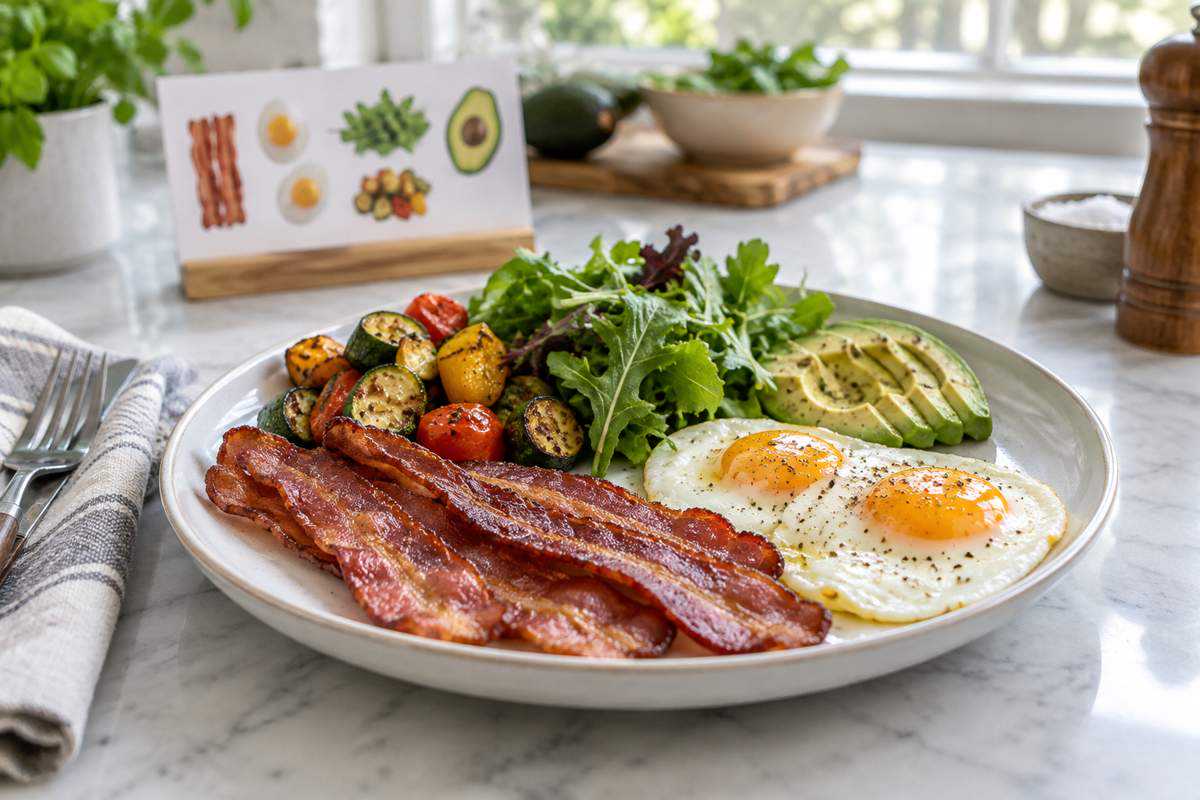
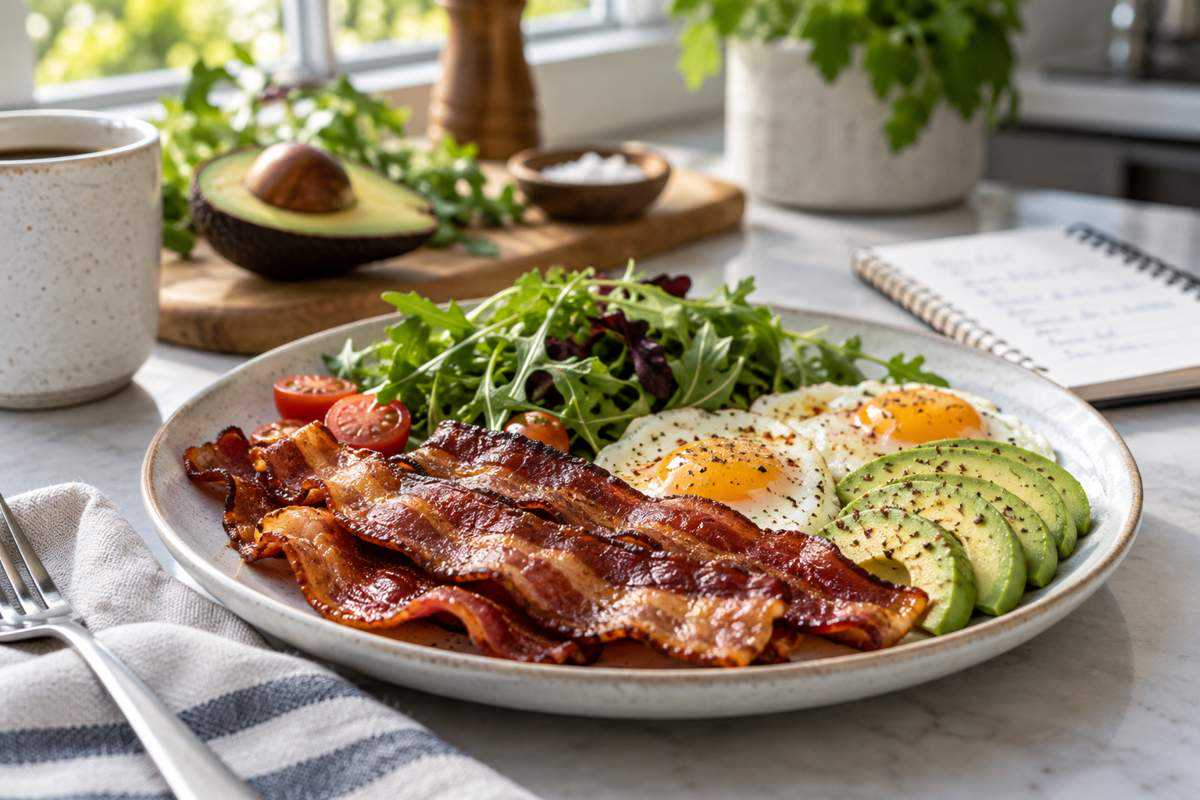
Serve a savory square with eggs and greens. Pair a zucchini muffin with chicken soup. Use a seed bar with tuna or cottage cheese. Serve a small sweet square with plain yogurt. The baked item should support the meal rather than replace every food group.
If you use a bread-like bake as a sandwich base, slice it carefully and add fillings close to serving. The low carb appetizer guide can suggest toppings that work on small portions without turning the bake into an unplanned grazing food.
Use acid, herbs, and spices to create variety. Lemon, vinegar, chili, rosemary, cinnamon, cocoa, and vanilla can move the same base in different directions without requiring a large amount of sauce.
Honest substitutions and disclosures
A keto bake is not automatically healthier, lower in calories, or suitable for every person. Almond flour and cheese can raise energy and saturated fat. Added fibers can affect digestion. Sweeteners can have different effects. Read your ingredients and consider the full portion.
If you have nut, dairy, egg, sesame, or coconut allergies, use a tested alternative rather than making a direct swap without understanding the chemistry. If you have diabetes, kidney disease, heart disease, celiac disease, or medication-related dietary restrictions, ask a qualified professional how these foods fit your needs.
This guide contains general food information and practical recipe ideas. It does not diagnose, treat, or prevent a medical condition. “Keto” describes a dietary approach here, not a guarantee of ketosis, weight loss, blood sugar improvement, or any other outcome.
A simple weekly baking plan
Bake one savory batch and one small sweet batch only if you have a clear use for both. Portion them immediately, freeze what you will not eat soon, and pair each portion with a planned protein. Prepare fresh vegetables separately so the baked food remains dry.
Use the savory base for breakfast squares, lunch muffins, and an afternoon snack. Change the herbs and toppings rather than making several large batches. If a recipe works well, record the pan size, weights, baking time, and number of portions.
Meal prep becomes easier when you treat baked items as components. The meal-prep hub can help you organize them with proteins, vegetables, and sauces.
Frequently asked questions
Can I replace almond flour with coconut flour? Not at the same volume. Coconut flour absorbs much more liquid and requires a formula designed for it.
Why did my bake sink? It may have been underbaked, overmixed, too wet, or removed from the oven before the center set. Cool fully before judging.
Can I make keto baking dairy-free? Often, but cheese and yogurt provide structure in many recipes. Use a tested dairy-free formula instead of assuming every substitute behaves the same.
Are sugar-free baked goods unlimited? No. Flour, nuts, seeds, oils, and sweeteners can contribute calories and affect digestion. Portion the final bake.
How do I keep muffins from getting wet? Drain vegetables, cool the muffins before sealing, and keep sauces separate. Refrigeration containers should not trap hot steam.
Final takeaway
A dependable keto bake recipe begins with the right flour, binder, moisture level, pan, and cooling time. Choose a recipe that matches the texture you want, weigh portions when possible, check every packaged ingredient, and keep perishable toppings cold.
Use baked items as part of a complete meal or a defined snack. Lower carbohydrate can be helpful for some people, but the full ingredient list, portion, and personal health context matter more than a marketing label. Once you record what works, a small batch can become a practical part of your weekly routine.