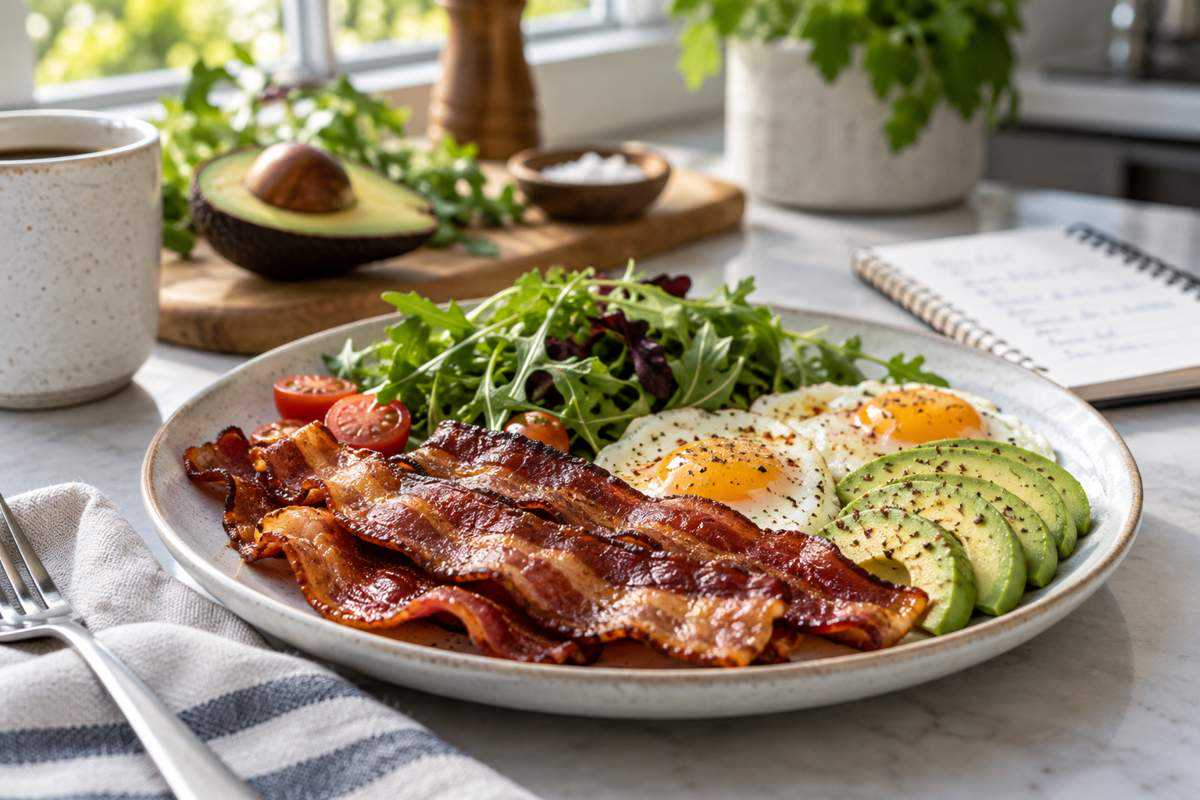
Beyondtwistz low carb pretzels can be useful when you want a crunchy snack that is easier to portion than a bag of ordinary pretzels. The important question is not whether the front of the package says low carb. It is whether the current serving size, total carbohydrate, fiber, added sugar, ingredients, and your intended portion fit the way you eat. Product formulas change, and a snack that works for one person may not fit another person’s medical or nutrition plan. Use this guide as a label-aware way to evaluate the product, store it, pack it, and compare it with similar crunchy options.
A good pretzel decision begins before opening the bag. Decide whether you need a quick desk snack, a travel portion, a crunchy topping, or something to serve with a dip. Those uses call for different portions. Eating directly from a large bag makes it easy to lose track, while weighing or measuring a portion into a container gives you a clearer stopping point. The product can be convenient without being a free food, and the most useful label is the one you apply to the amount you actually eat.
What to check on the current Beyondtwistz label
Read the nutrition facts panel from top to bottom. Start with serving size in grams or pieces, then compare total carbohydrate, dietary fiber, and added sugars. If you track net carbohydrates, calculate them using the method your plan uses rather than assuming the package’s marketing language is a calculation. Some people count total carbohydrate; others subtract fiber or use a clinician-directed approach. A general product description cannot replace those instructions.
Next, examine the ingredient list. A low-carb pretzel may use wheat protein, seed flours, nut flours, resistant starches, soluble fibers, or other specialty ingredients to change the texture. None of those terms automatically makes the product right or wrong for you. They simply tell you what to investigate. If you have a wheat, gluten, soy, sesame, dairy, peanut, or tree-nut allergy, check the ingredient list and allergen statement every time you buy it. Manufacturing statements can also matter when cross-contact is a concern.
Look for serving details that can be easy to overlook. A package may list one serving as a small number of twists while the bag contains several servings. If the product is sold in a resealable pouch, the pouch itself is not a portion. If the package includes multiple flavors, confirm whether seasonings add sugar, maltodextrin, or other ingredients that affect your calculation. Flavored coatings, cheese powders, and sweet glazes can change both the nutrition and the way quickly you eat the snack.
How to interpret “low carb” without overpromising
“Low carb” is a useful shopping clue, but it is not a universal definition. Two products can use similar language while offering very different serving sizes and ingredient profiles. Check the numbers on the current package and consider how the snack fits alongside the rest of your meal. A serving with modest carbohydrate may still be more than you intended if you eat three servings while working or driving.
Fiber deserves a closer look. Some specialty snack products contain added fibers that may affect digestion differently from the fiber in vegetables, nuts, or seeds. If you are new to a product, start with a modest portion and notice how your body responds. Bloating, cramping, or urgent digestion is a signal to slow down and review the ingredient list. You do not need to prove that a product works by finishing the bag.
Protein is another reason not to judge the snack by carbohydrate alone. A crunchy pretzel product may be designed primarily for texture and may not provide enough protein to keep you satisfied. If you need a more complete snack, pair the pretzels with a protein-rich food that fits your plan. The pairing should be intentional rather than an excuse to keep adding ingredients. A small portion of pretzels with a boiled egg, plain Greek yogurt dip, tuna salad, or a suitable cheese can feel more substantial than pretzels alone, but individual needs and tolerances differ.
Portioning Beyondtwistz for real-life snacking
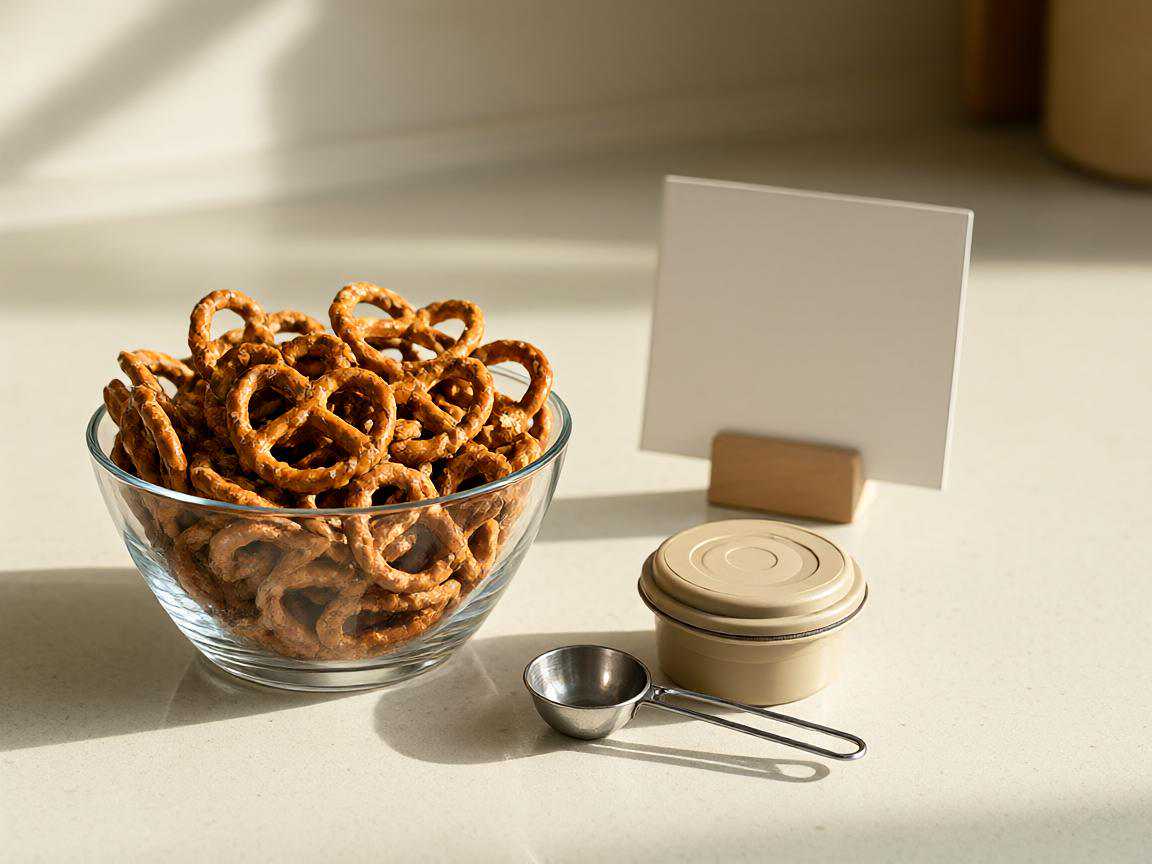
The simplest method is to portion the pretzels when you open the package. Use the labeled serving size as a starting point, then measure that amount into a bowl or container. If you prefer pieces rather than grams, count the number of twists in one weighed serving once, write it down, and use that count as a rough visual guide. Pieces can vary in size, so a kitchen scale is more accurate when precision matters.
For a desk snack, put one serving in a small container and leave the large bag in a cupboard or at home. For a road trip, prepare several identical containers so you can see how many snacks are available. For a family bowl, decide whether you want a shared portion or whether each person should receive an individual serving. These systems are not about restriction for its own sake. They reduce the number of decisions you have to make when you are tired, busy, or distracted.
If the pretzels are used as a crunchy topping, use less than you would for a stand-alone snack. Crumble a measured amount over soup, salad, cottage cheese, or a savory dip. The topping can add contrast without becoming the entire meal. If you are using a dip, measure that separately because oils, dairy, and nut-based dips may contribute more calories or carbohydrate than the pretzels. A small plate with clearly separated portions makes the combination easier to evaluate.
What makes a good companion food?
Crunchy snacks often satisfy a texture craving, while protein and fat can help a snack last longer. Plain full-fat or lower-fat Greek yogurt can become a dip with herbs, lemon, and salt. Cottage cheese can work with pepper and chopped vegetables. A simple egg salad or tuna salad provides a savory contrast if those foods fit your routine. For a dairy-free option, try a measured portion of a bean-free or seed-based dip after checking its label and your own tolerance.
Fresh vegetables can add volume and water without relying on another packaged snack. Cucumber, celery, bell pepper, or radish slices can be served alongside pretzels and dip. If vegetables are not practical on the go, a small portion of olives, a hard-boiled egg, or a suitable cheese may be easier to pack. The right companion is the one that you will store safely and actually eat, not the one that sounds ideal in a meal plan.
Be cautious with stacking highly palatable foods. Pretzels, a creamy dip, nuts, and a sweet drink can turn a planned snack into a large grazing session. Decide what role the pretzels play, then keep the rest simple. If you want more variety, put the ingredients on a plate and sit down to eat rather than carrying the open package around. The environment is part of the recipe.
Texture, flavor, and the role of seasonings
A pretzel snack succeeds or fails on texture. Keep the bag tightly closed and use a dry container to protect the crunch. If a few pieces become stale, they may still work as crumbs over a salad or casserole, but do not assume reheating will restore the original texture. Heat can also darken seasonings or create a different flavor. Follow any package directions and use a small test portion before warming a full serving.
Seasoned varieties can be more satisfying, but they can also encourage faster eating. Salt, garlic, cheese flavor, chili, or cinnamon can make the snack feel more complete. Check whether a flavored version contains added sugar or a coating that changes the label. If you want to customize plain pretzels, use a light dusting of spice in a bowl rather than pouring oil or seasoning into the bag. This keeps the portion visible and the flavor adjustable.
Storage at home
Store the unopened package according to the manufacturer’s instructions, usually in a cool, dry place away from heat and humidity. After opening, press excess air out of a resealable pouch or transfer the pretzels to an airtight container. Add the date you opened the package if you tend to buy several snacks at once. Use clean, dry hands or a utensil when serving. Moisture from a wet dip or a humid kitchen can reduce crispness quickly.
Do not store pretzels in the same container as sliced fruit, vegetables, or dip. Pack wet foods separately and combine them immediately before eating. If you prepare snack boxes, put pretzels in a small sealed cup inside the larger box. This preserves texture and limits the chance that a leak will ruin the entire portion. For workplace kitchens, a labeled container helps prevent accidental sharing or confusion about allergens.
Portability for work, travel, and errands
Beyondtwistz-style crunchy snacks are naturally portable because they do not require a fork and can be packed in a small container. Choose a container that does not crush the twists. A rigid cup or shallow food box is better than a soft plastic bag if the snack will sit under books, clothing, or equipment. If you are carrying dip, use a leak-resistant cup with a tight lid and keep it cold when it contains dairy, egg, fish, or meat.
For an office drawer, keep a backup portion rather than the full package. Check the date periodically and replace the portion if the seal has failed or the texture has changed. For air travel, remember that airport rules, airline policies, and destination food regulations can vary. A sealed dry snack is often simpler than a dip, but confirm current requirements before traveling. For a long drive, pack water and a cooler when you are carrying perishable pairings.
A travel snack should solve a predictable problem. If you tend to become very hungry between meetings, a measured crunchy portion with a protein companion may be useful. If you snack because the bag is visible, moving it out of sight may be more effective than buying a larger “better” snack. Use the product to support a routine, not to create a reason to eat whenever you pass it.
Comparing Beyondtwistz with other crunchy options
Compare products on the same basis: serving size, total carbohydrate, fiber, protein, added sugar, calories, sodium, ingredients, price per serving, and how easy the food is to portion. Ordinary pretzels may have a familiar taste and lower price but a different carbohydrate profile. Cheese crisps may offer more protein or fat but can be saltier and more fragile. Nuts and seeds provide a different texture and nutrition profile, yet their calorie density makes measuring important.
Vegetable chips, pork rinds, seed crackers, and roasted snacks also occupy the crunchy-snack space. Each category has tradeoffs. Some products are very light and easy to overeat. Others are dense and satisfying in a small portion. Some contain flavor powders, starches, or sweeteners that are not obvious from the front of the bag. A product comparison is more useful when you ask what job the snack needs to do rather than searching for a single winner.
Price can be part of the decision. Specialty low-carb products may cost more because of their ingredients, packaging, or production method. If a product is expensive but regularly goes stale, breaks in transit, or leaves you hungry, it may not be a good value. If it helps you avoid an unplanned purchase while traveling and you enjoy the measured serving, the convenience may be worth it. Keep the calculation practical and honest.
Disclosures, allergies, and digestive tolerance
This guide does not certify the formula, nutrition, safety, or suitability of any specific Beyondtwistz product. Read the current package, especially if the brand changes suppliers or flavors. Marketing statements are not a substitute for the nutrition facts panel. If a package is damaged, unsealed, unusually oily, or smells off, do not rely on a favorable label; follow the retailer or manufacturer’s return and safety guidance.
Specialty fibers and alternative flours can be comfortable for some people and difficult for others. Start with a small amount if the ingredients are new to you. Keep water available, and do not add several new high-fiber products on the same day if you are trying to identify a digestive trigger. People with celiac disease or diagnosed gluten sensitivity should look for the certification or allergen information that their clinician has recommended. People with nut, sesame, soy, or dairy allergies should review both ingredients and facility statements.
If you are managing diabetes, kidney disease, hypertension, a gastrointestinal condition, or a prescribed therapeutic diet, ask a qualified professional how to interpret the label. Sodium, potassium, protein, fiber, and carbohydrate calculations may matter differently depending on your situation. This article is general editorial information, not medical advice and not a recommendation to replace a meal or treatment plan.
How to build a simple snack shortlist
When you shop, choose no more than two or three crunchy products to compare. Write the serving size and the numbers that matter to you in a note on your phone. Bring the note to the shelf and ignore the pressure to buy a family-size bag before you know whether the product suits you. After trying a product, rate it for flavor, crunch, portion clarity, digestive comfort, portability, and price. A snack that scores well on only one category may not earn a permanent place in your pantry.
For a first test, use the smallest reasonable package or buy one flavor. Portion it at home, eat it at a table, and wait long enough to notice whether it was satisfying. If you need a companion food every time, include that in your cost and planning. If you enjoy the product plain and it is easy to measure, it may be useful for emergency snacks. If you keep eating beyond the portion, change the environment before blaming the product or your willpower.
For broader snack planning, browse the Snack Ideas hub. If you want a batch system for measured portions, see the Meal Prep hub. The food product guide offers another example of label-aware comparison, while office snack planning focuses on keeping portable options practical.
Frequently asked questions
Are Beyondtwistz low carb pretzels automatically keto? No product is automatically right for every person. Check the current label, your serving size, and the carbohydrate method your plan uses. The word low carb is a starting point for evaluation, not a personal prescription.
How many pretzels should I eat? Start with the package serving size and portion it before eating. If your plan requires a different amount, use that amount instead. Weighing is more accurate than counting when the twists vary in size.
Can I pack them with dip? Yes, but pack the dip separately and keep perishable dips cold. Use a leak-resistant container and combine the foods immediately before eating so the pretzels stay crisp.
What if the pretzels upset my stomach? Stop or reduce the portion and review the fiber, sweeteners, and alternative flours. Test one change at a time. If symptoms are severe, persistent, or medically concerning, consult a qualified professional.
Are they a meal replacement? A crunchy pretzel product is generally better treated as a snack component unless your own nutrition plan says otherwise. Pairing it with a suitable protein food may make it more satisfying, but a snack should not be presented as medical nutrition.
Beyondtwistz low carb pretzels are most useful when you treat them as a labeled, portioned food rather than a free pass. Check the current ingredients and nutrition facts, account for your actual serving, protect the crunch during storage, keep perishable pairings cold, and compare the product with other options using the same criteria. Those habits make it easier to decide whether the snack belongs in your desk drawer, travel kit, or regular pantry.