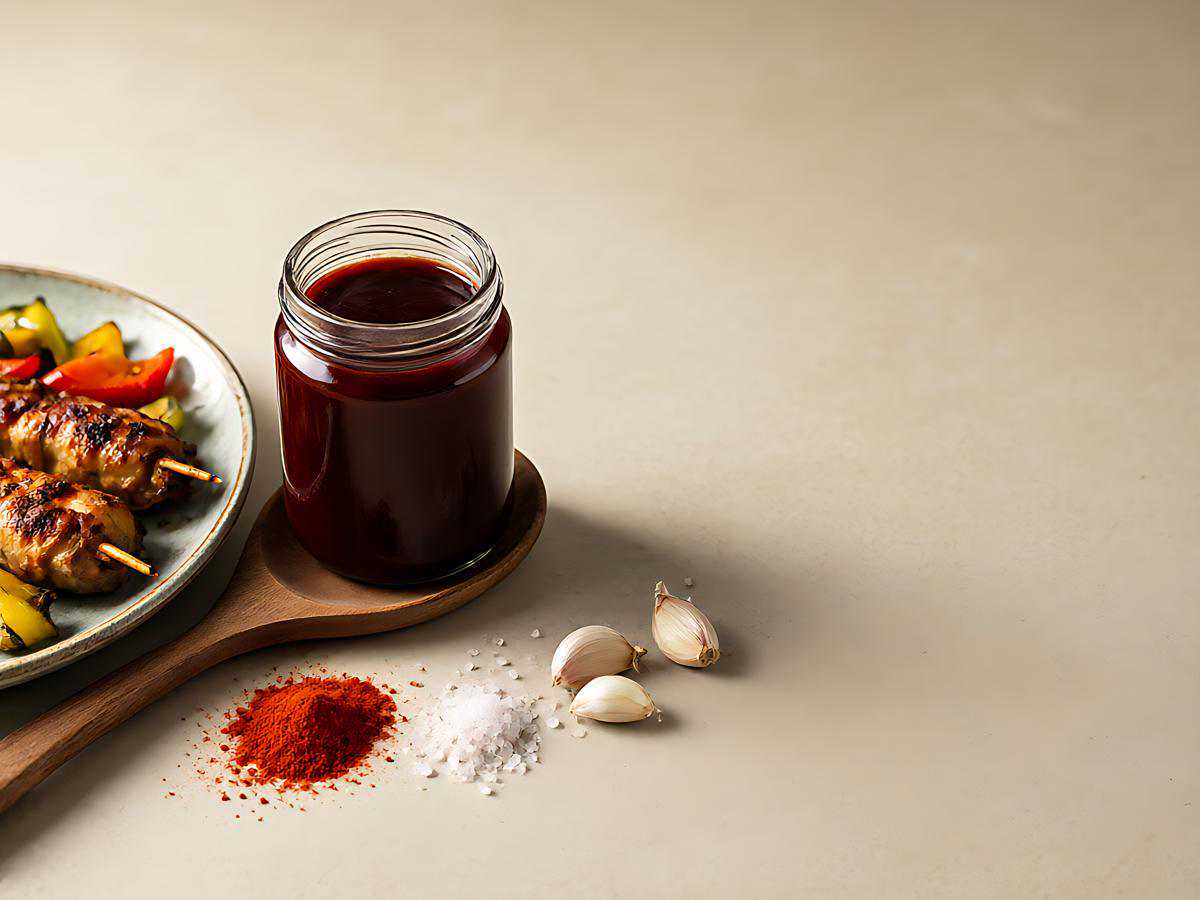
A low carb barbecue sauce recipe should solve two problems at once: it needs enough smoky, tangy flavor to make grilled food satisfying, and it needs a transparent ingredient list so you know where the sweetness and carbohydrate are coming from. Many bottled barbecue sauces rely on sugar, molasses, honey, or concentrated fruit. This homemade version uses a measured tomato base, vinegar, spices, a small amount of sweetener, and optional liquid smoke. It produces a thick sauce that works on chicken, burgers, vegetables, and snack-size dipping portions.
The goal is not to claim that every tomato-based sauce is automatically keto. Tomatoes and onions contribute carbohydrate, and packaged sweeteners can contain fillers. Calculate the recipe from the exact products you use, taste before adding more sweetener, and store the finished sauce safely. If you track carbohydrate for a medical reason, use your own targets and professional guidance. This is a general recipe and label guide, not individualized medical advice.
Why homemade barbecue sauce helps
Making the sauce yourself gives you control over four variables that are easy to miss on a label: the tomato concentrate, the sweetener, the amount of onion or garlic, and the final serving size. A commercial sauce may list sugar in several forms, and a “no added sugar” sauce may use fruit concentrate or a sweetener blend that still affects the nutrition panel. Homemade sauce lets you build the flavor around acid, smoke, spice, and salt rather than relying on sweetness alone.
This recipe makes approximately one cup, depending on how long you simmer it. A cup is enough for several meals without creating a large open bottle in the refrigerator. The sauce is concentrated, so one or two tablespoons can be enough for a serving. That serving-based approach is more useful than treating the sauce as a free condiment.
Ingredients for about one cup
- 3/4 cup no-sugar-added tomato sauce or strained crushed tomatoes
- 2 tablespoons tomato paste
- 3 tablespoons apple cider vinegar
- 1 tablespoon water, plus more if needed
- 1 tablespoon granulated sweetener that fits your plan, optional
- 1 teaspoon smoked paprika
- 1/2 teaspoon regular paprika
- 1/2 teaspoon garlic powder
- 1/2 teaspoon onion powder
- 1/4 teaspoon ground mustard
- 1/4 teaspoon black pepper
- 1/4 teaspoon fine salt, then adjust to taste
- 1/8 teaspoon cayenne, optional
- 1/2 teaspoon liquid smoke, optional and label-checked
- 1 teaspoon Worcestershire-style sauce with no added sugar, optional
Use a small saucepan, a whisk, a silicone spatula, and a clean heatproof jar. The tomato sauce and paste are the ingredients most likely to vary from brand to brand, so read the full nutrition panel before you start. If your tomato base is already salted or seasoned, reduce the added salt at first.
How to make the sauce
1. Combine the tomato base
Whisk the tomato sauce, tomato paste, vinegar, and water in the saucepan while the pan is still cold. This helps dissolve the paste evenly and prevents dry lumps. If your tomato sauce is very thick, add another tablespoon of water. The sauce will concentrate as it cooks, so start thinner than the final texture you want.
2. Add spices gradually
Whisk in the smoked paprika, regular paprika, garlic powder, onion powder, mustard, pepper, and salt. Add the cayenne only if you want heat. Spices can taste sharper before they simmer, so resist the urge to add a large amount immediately. The vinegar and tomato base will soften the sharp edges as the sauce cooks.
3. Taste for balance
Add the sweetener if you are using it, then stir in the optional liquid smoke and Worcestershire-style sauce. Taste a tiny amount from a clean spoon. The sauce should taste tangy, smoky, lightly sweet, and savory. If it tastes flat, add a pinch of salt or a few drops of vinegar before adding more sweetener. If it tastes too acidic, simmer it longer or add a small amount of water and fat from the food you plan to serve.
4. Simmer gently
Bring the sauce to a gentle simmer over low to medium-low heat. Cook uncovered for 15 to 25 minutes, stirring frequently so the tomato paste does not catch on the bottom. Do not use a rolling boil. A slow simmer reduces water and lets the spices blend without splattering the stovetop.
5. Adjust the final texture
When the sauce coats the back of a spoon, remove it from the heat. It will thicken further as it cools. If it is too thick, whisk in water one teaspoon at a time. If it is too thin, return it to low heat for a few minutes. For a very smooth sauce, blend it with an immersion blender after it cools slightly, but take care with hot liquid.
How to read the sauce labels
Start with the serving size. A bottle may list two tablespoons as a serving, while a person may use a quarter cup without noticing. Compare total carbohydrate per serving and count the number of servings in the amount you actually use. Tomato sauce, tomato paste, vinegar, Worcestershire-style sauces, and sweeteners can all contribute something.
Look for added sugar, cane sugar, brown sugar, molasses, honey, corn syrup, fruit concentrate, and dates. A “natural” sweetener can still be sugar. On the other hand, a product labeled sugar-free may contain sugar alcohols or fillers that affect digestion. Read the ingredient order and the nutrition panel together rather than relying on a front-of-package claim.
Liquid smoke is usually used in a small quantity, but brands differ. Some products contain only smoke flavor and water, while others include molasses, color, or preservatives. Worcestershire-style sauce can also contain sugar or caramel ingredients. These optional ingredients should be treated as label-dependent, not automatically neutral.
For a broader example of product label comparison, see our 92nd keto bread guide. The same habits apply here: review the serving size, ingredient order, and any claims about fiber or sugar.
Ways to use the sauce
Chicken or turkey
Brush the sauce onto cooked chicken or turkey during the final few minutes of grilling or roasting. Tomato-based sauces can burn if added too early, especially over direct heat. Use a clean brush for the portion that touches cooked meat, and keep unused sauce separate from raw poultry.
Beef or pork
Serve a tablespoon or two alongside grilled beef, pork, or meatballs. The acidity can brighten fatty foods, while smoked paprika adds depth. If you are using a slow cooker, add the sauce toward the end if you want a thicker glaze, or thin it with broth if you want a braising liquid.
Vegetables
Use a small amount on roasted cauliflower, zucchini, mushrooms, or cabbage. Toss the vegetables after roasting so the sauce does not burn during the initial cooking. This creates a useful way to add flavor without making the sauce the dominant ingredient.
Dipping sauce
Place one or two tablespoons in a small cup with chicken strips, cheese crisps, or low-carb vegetables. A separate cup makes the serving visible and keeps a whole jar from becoming the default portion. For snack ideas that pair sauces with protein and vegetables, visit the snack ideas hub.
Flavor adjustments
Smokier sauce
Add liquid smoke one drop at a time or increase the smoked paprika slightly. Too much liquid smoke can taste medicinal, so use restraint. A short simmer also helps the smoke integrate.
Spicy sauce
Use cayenne, chili powder, or a small amount of hot sauce. Hot sauce labels vary, so check for added sugar. Add heat gradually because the sauce becomes more intense as it cools.
Mustard-forward sauce
Increase the ground mustard or add a teaspoon of prepared mustard with no added sugar. Mustard provides sharpness that can reduce the need for sweetener. Check the label because some honey mustard products contain significant sugar.
Garlic and herb sauce
Add dried oregano or a small amount of rosemary with the garlic powder. This version works well on chicken and roasted vegetables. Fresh herbs can shorten storage life, so add them to the serving rather than the whole jar if you plan to keep the sauce for several days.
Storage and food safety
Cool the finished sauce promptly and transfer it to a clean, sealed jar. Refrigerate it and use it within about seven days, depending on the freshness of your ingredients and the cleanliness of your container. Because this homemade sauce is not pressure-canned or commercially preserved, do not store it at room temperature.
Use a clean spoon each time. If the sauce touches raw meat, keep that portion separate and discard it after use. Do not pour leftover sauce from a raw-meat brush back into the main jar. If the sauce develops mold, bubbling, an off smell, or a texture that looks unusual, discard it rather than tasting it again.
Make-ahead and portability
Make the sauce on a prep day and divide it into two-tablespoon containers. This creates convenient portions for lunches and snacks. The meal-prep hub can help you organize batch cooking, cooling, and container labels. Keep the sauce cold during transport and pack it separately from foods that should remain crisp.
For an office lunch, carry the sauce in a leakproof cup with chicken, vegetables, or a low-carb wrap. Keep the container in an insulated lunch bag if refrigeration is not available. The office snacks guide includes more ideas for carrying protein and flavorful add-ons without a kitchen.
Common mistakes
- Choosing sauce by the front label: read the serving size and ingredient list instead.
- Adding sweetener before tasting: tomato products vary, and too much sweetener can hide the spice.
- Boiling hard: the sauce can splatter, scorch, and become overly concentrated.
- Brushing sauce on too early: tomato and sweetener can burn on direct heat.
- Using one brush for raw and cooked meat: keep food-safety tools separate.
- Storing at room temperature: homemade sauce is not commercially preserved.
How much sauce should you use?
Start with one tablespoon per serving and add more if you want. The right amount depends on the food, the other ingredients, and your personal carbohydrate target. A tablespoon can be enough to flavor a snack plate when combined with salt, acid, and herbs. If you are using the sauce as a marinade, count the portion that remains on the food rather than assuming all of the marinade is eaten.
Keeping the sauce in small containers also makes it easier to test different versions. You can make the base mildly sweet, then add heat or mustard to separate portions. This avoids creating one large jar that only suits one meal. It also lets you compare the taste of different tomato products without changing an entire batch.
Frequently asked questions
Can I omit sweetener?
Yes. The sauce will be more tangy and savory. You may prefer to add more smoked paprika, mustard, or a pinch of salt rather than sweetener. Taste after simmering because the tomato flavor becomes less sharp as the sauce reduces.
Can I use fresh onion and garlic?
Yes, but they add moisture and carbohydrate and can shorten storage life. Sauté them first, then simmer the sauce thoroughly. If you want the easiest label calculation and longer refrigerator quality, use measured dried seasonings.
Can I use barbecue sauce as a marinade?
You can, but do not reuse marinade that has touched raw meat unless it is boiled thoroughly. Keep a clean portion separate for brushing or serving. The sauce may caramelize quickly, so apply it late when grilling.
Is tomato paste low carb?
Tomato paste is concentrated, so a small spoon can contain more carbohydrate than the same volume of diluted tomato sauce. Check the label and include the amount in your calculation. “No added sugar” does not mean carbohydrate-free.
Does this recipe fit every keto plan?
No recipe fits every person. Tomato portions, sweeteners, Worcestershire-style sauce, and serving size all matter. Use your own targets and professional guidance if you have medical nutrition needs.
This low carb barbecue sauce recipe is most useful when you treat it as a measured condiment: choose a transparent tomato base, build flavor with vinegar and spices, add sweetener only if needed, simmer gently, and store the sauce cold. Those steps give grilled foods a satisfying finish while keeping the ingredient and portion decisions visible.