Low carb bagels can be useful when you miss a chewy, toasted breakfast base but want to keep the meal lower in carbohydrate. The challenge is that a bagel has a specific texture: a firm outside, a springy center, and enough structure for cream cheese, eggs, salmon, or a sandwich filling. A product or recipe that is simply soft bread shaped like a ring may not behave the same way.
This guide explains how to compare packaged low-carb bagels, what ingredients affect chew and texture, how to toast and serve them, and how to store them for work or travel. It also covers homemade options, portion planning, label criteria, common toppings, troubleshooting, and honest product disclosures. Lower carbohydrate is one attribute; serving size, calories, sodium, fiber, allergens, and personal tolerance also matter.
For a broader view of lower-carb bread products, start with the keto bread guide. The same label habits apply to bagels, but the thicker format means the serving and texture deserve extra attention.
What makes a bagel different?
Traditional bagels are shaped dough products that are usually boiled before baking. Boiling gelatinizes the surface starch and helps create a chewy crust. Wheat flour provides gluten, which gives the dough elasticity and structure. A lower-carbohydrate bagel has to replace some of that structure with ingredients such as vital wheat gluten, eggs, cheese, almond flour, seed fibers, psyllium, or other binders, depending on the formula.
Those ingredients can produce very different results. A bagel made mostly from almond flour may be tender and nutty but not especially chewy. A product with psyllium or added fiber may have more structure but can feel dense or gummy if it is underbaked. A cheese-based dough may toast well but bring more fat and sodium. A packaged product may use a long ingredient list to produce a familiar shape.
Choose the texture you actually want. If you need a sturdy base for a sandwich, structure matters more than a perfect traditional chew. If you want a breakfast bite, a softer ring may be enough. The best choice is not necessarily the product with the most impressive claim; it is the one that fits your use case and label needs.
How to read a low-carb bagel label
Start with the serving size. Some products define one bagel as a serving, while others define half a bagel. Compare total carbohydrate, fiber, protein, calories, sodium, saturated fat, and any sugar alcohols or added sweeteners. Look at the actual gram weight too. Two products can claim similar net carbohydrates while offering very different amounts of food.
Read the ingredients for wheat, vital wheat gluten, almond, coconut, sesame, eggs, dairy, psyllium, inulin, resistant starch, tapioca, potato starch, and sweeteners. None of these ingredients is automatically right or wrong for everyone. They simply tell you what the product is made from and what may affect digestion or allergies.
Fiber-heavy products can be filling for some people and uncomfortable for others. Sugar alcohols can have digestive effects. A “keto” claim does not guarantee that the product fits a medically prescribed diet, a gluten-free diet, or your personal carbohydrate method. Use current labels rather than relying on an old review or package photograph.
Packaged bagel versus homemade bagel
Packaged bagels are convenient, consistent, and easy to portion. Homemade bagels allow control over flour, salt, cheese, seeds, and flavor, but they require testing. The recipe may behave differently with a new flour grind, a larger egg, or a different oven. If you are experimenting, make a small batch before planning a week of meals around it.
Homemade bagels can be built from almond flour, eggs, mozzarella, cream cheese, psyllium, or a combination of these ingredients. A cheese-based dough can be flexible when warm and firm when cool. A psyllium-based dough may need extra resting time to hydrate. A recipe designed for coconut flour cannot usually accept almond flour at the same volume.
Compare the full batch rather than just the shape. Count the total ingredients, then divide by the actual number of bagels. A small homemade ring may have a different nutrition profile from a large packaged bagel. Weighing dough portions before baking improves consistency.
A simple homemade low-carb bagel framework
One practical framework uses finely ground almond flour, shredded mozzarella, cream cheese, an egg, baking powder, salt, and optional psyllium or seeds. Warm the cheese gently until it is soft, then combine it with the dry ingredients and egg. Knead just until a cohesive dough forms. Divide into equal portions, roll into ropes, join the ends, and place on a lined tray.
Brush with egg wash if desired and add sesame, poppy, or everything seasoning. Bake until the exterior is set and lightly browned. Let the bagels cool before slicing because the center firms as it cools. If the dough feels wet, rest it briefly before adding more dry ingredient. Adding a large amount of flour late can make the bagels heavy.
This framework is not a guarantee of a particular texture or nutrition result. Moisture varies by cheese, egg size, flour, pan, and oven. Use a tested recipe, record your measurements, and adjust one variable at a time.
Toasting and texture
Slice bagels carefully and toast them on a moderate setting. Dense, fiber-rich bagels may need a longer, gentler toast to warm the center without burning the outside. If a bagel is frozen, thaw it slightly or use a lower setting so the surface does not darken before the middle warms.
A toaster oven can be useful for thick bagels because you can watch the cut surface. Add toppings after toasting. If you spread cream cheese before toasting, it can melt into the crumb and make the bagel greasy. An air fryer may crisp the surface quickly, but the time depends on thickness.
If the bagel remains gummy, toast the halves again or return them to a low oven. If it is dry, use a moist topping such as egg, cottage cheese, salmon, or a measured avocado spread. Do not solve a dry bagel by adding unlimited cream cheese or butter.
Topping idea 1: cream cheese and cucumber
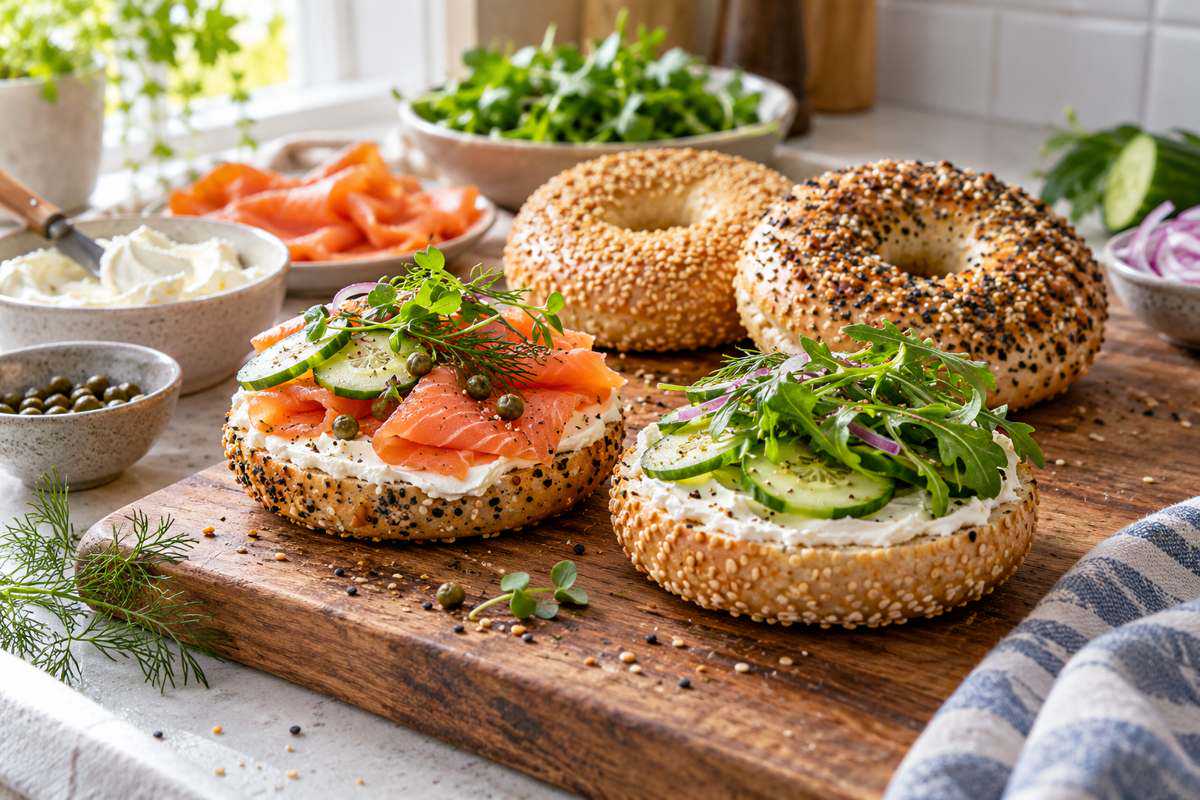
Spread a measured amount of plain cream cheese over a toasted bagel half and add cucumber, dill, lemon zest, and black pepper. Use a lighter spread if the bagel is already high in fat. A cucumber topping adds crunch and water without requiring a sweet sauce.
Flavored cream cheese can contain sugar, fruit, or other additions. Check the label. If sodium is a concern, use herbs and lemon instead of smoked salmon or capers on the same serving.
Topping idea 2: smoked salmon and egg
Top a bagel half with a thin layer of cream cheese, smoked salmon, a boiled egg, dill, and cucumber. This is satisfying but can be high in sodium, so use modest amounts of smoked fish and capers. Freshly cooked salmon is an alternative with a different texture and usually less curing salt.
Keep the assembled bagel cold if transporting it. For the best texture, carry the bagel, salmon, and spread separately and assemble shortly before eating.
Topping idea 3: bacon, egg, and greens
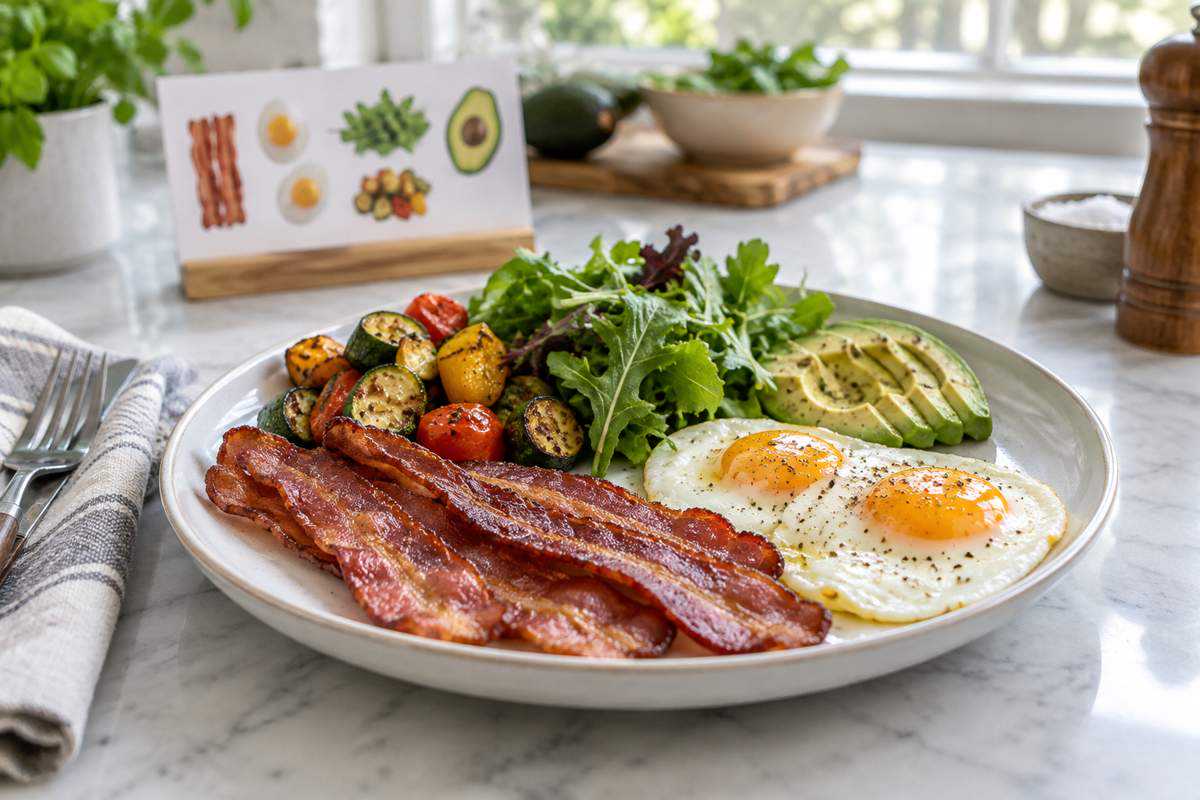
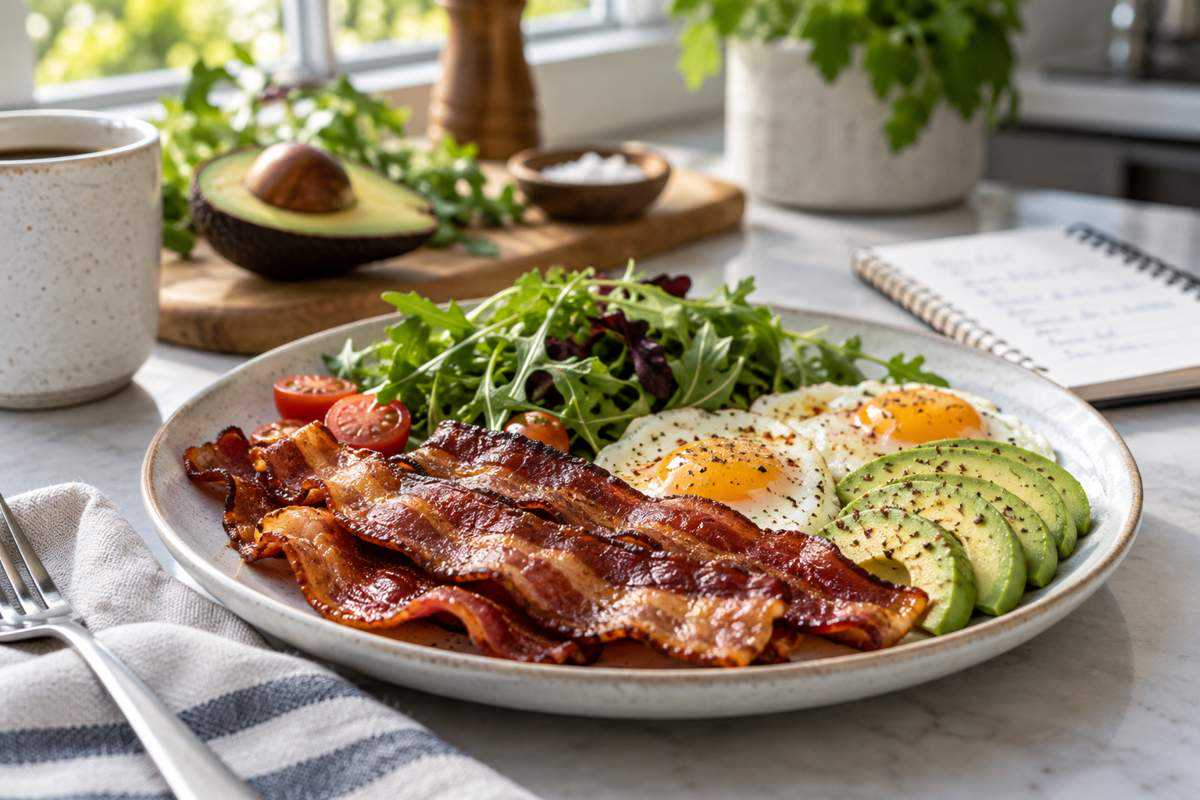
Add a cooked egg, a small amount of bacon, and leafy greens to a toasted bagel. If the bacon is salty, season the egg with pepper and herbs rather than salt. Add tomato or cucumber if those ingredients fit your plan.
Because the bagel, egg, and bacon can all contribute energy, use a defined serving. If you want more volume, add a side of greens rather than a second bagel automatically.
Topping idea 4: chicken salad bagel
Combine chopped chicken with celery, parsley, mustard, and a small amount of plain yogurt or mayonnaise. Spread it over the bagel and add lettuce. Drain wet ingredients so the center does not become soggy. Keep the chicken salad chilled during transport.
Prepared chicken salad may contain sugar, starch, and substantial sodium. Homemade gives you more control, but homemade does not mean unlimited. Measure the spread and keep the filling proportional to the base.
Topping idea 5: avocado and cottage cheese
Spread a thin layer of avocado on a toasted bagel and add cottage cheese, pepper, lemon, and herbs. This pairing has a soft texture, so toast the bagel firmly and eat it soon after assembly. A few radish slices can add crunch.
Avocado and dairy are both rich, so choose a portion that fits the rest of the meal. You can use a quarter avocado as a finish rather than covering the entire bagel with a thick layer.
Sweet-leaning toppings
For a breakfast-style bagel, use plain unsweetened cream cheese with cinnamon, vanilla, or a suitable sweetener. Add a small serving of berries if they fit your plan. Nut butter can work, but check the label for sugar and measure it because it is concentrated.
Do not assume a sweetener or flavored spread is low carbohydrate without reading the ingredient list. Chocolate-hazelnut spreads and fruit cream cheeses often contain sugar. If a sweet bagel is part of a weight-management plan, keep the topping simple and the serving clear.
Portion and nutrition planning
Bagels are dense compared with ordinary sandwich bread. Even a low-carbohydrate bagel may be a substantial serving of calories, fat, fiber, or protein. Decide whether one whole bagel, half a bagel, or one mini bagel fits the meal. Pair it with a clear protein and vegetables if it is breakfast or lunch.
Use the label’s total carbohydrate and fiber according to the method you follow. If you calculate net carbohydrate, be consistent about fibers and sugar alcohols. If a clinician has set a specific target, use the information they recommend and confirm packaged products with your healthcare team.
Watch toppings as much as the base. Cream cheese, butter, bacon, salmon, avocado, nuts, and mayonnaise can all be appropriate in some portions, but combining large amounts can create an energy-dense meal. Choose the main topping first and use the others as accents.
Storage and freezing
Packaged bagels should be stored according to the package directions. Homemade bagels should cool completely before sealing so steam does not make them wet. Store them in an airtight container for short-term use, or freeze them sliced with parchment between pieces.
Freeze individual portions so you can toast only what you need. Label the date and protect the bagels from freezer air. Thawed bagels may be slightly drier, but toasting and a moist topping can improve the texture.
Perishable toppings such as cream cheese, eggs, chicken, salmon, and cottage cheese need refrigeration. The base does not make an assembled bagel shelf-stable. If a filling smells sour, looks spoiled, or has been warm for too long, discard it.
Portable bagel meals
For a work meal, carry the bagel in parchment and the filling in a chilled container. Assemble at the destination. This keeps cream cheese, avocado, and chicken salad from softening the crumb. A cold pack is important for eggs, dairy, meat, and seafood.
For travel, a plain toasted bagel with a shelf-stable topping may be simpler than a fully assembled sandwich. If you have no refrigeration, do not carry perishable fillings for an entire day. A safe meal is more important than preserving a particular recipe.
The office snack guide provides more packing ideas. The central principle is to keep wet and dry components separate until serving.
Label concerns and dietary restrictions
Many low-carb bagels contain wheat or vital wheat gluten. That may be unsuitable for people with celiac disease or wheat allergy. Almond, sesame, dairy, egg, and coconut are also common ingredients. Read the allergen statement and cross-contact information.
High-fiber bagels may contain psyllium, inulin, resistant starch, or other fibers. Some people tolerate these well, while others experience bloating or digestive discomfort. Start with a modest portion and pay attention to your response. Do not assume a large amount of added fiber is automatically beneficial.
Sodium can be high in bagels, cream cheese, smoked fish, bacon, and seasoning blends. If sodium is a concern, compare products, use unsalted toppings, and rely on herbs, lemon, vinegar, and pepper for flavor.
Meal prep strategy
Prepare a small set of components: toast or freeze bagel halves, cook eggs or chicken, wash cucumber and greens, and portion spreads. Rotate toppings throughout the week. The meal-prep hub can help structure the components without requiring a different recipe every day.
Keep the bagel halves dry until assembly. Add avocado, cream cheese, or chicken salad at the last moment. If you want a hot meal, warm the bagel and protein separately, then add cold toppings. This creates texture contrast and reduces the chance of a soggy center.
Honest product disclosures
No particular brand is required for a low-carb bagel meal. Product formulas, serving sizes, prices, and availability change. A product marketed as keto may still contain wheat, nuts, dairy, sweeteners, high sodium, or a long list of fibers. Treat product references as categories to compare, not endorsements.
Homemade bagels also require honesty. A recipe can be lower in carbohydrate and still be high in calories or saturated fat. A large bagel with cream cheese, bacon, avocado, and eggs may fit a person’s plan occasionally, but it is not the same as a small bagel half with cottage cheese and cucumber.
This guide is general food information, not individualized medical advice. People managing diabetes, kidney disease, heart disease, allergies, digestive conditions, or medication-related dietary restrictions should ask a qualified professional how these products fit their needs.
Common troubleshooting questions
Why is my bagel dense? The dough may be overmixed, the leavening old, or the center underbaked. Weigh portions and let the bagel cool before judging it.
Why is it gummy? Too much moisture, a deep pan, or insufficient baking time can cause gumminess. Cool fully, toast slices, and adjust one variable in the next batch.
Why does it crumble? The dough may need more binder or moisture, or the flour may be too coarse. A cheese-based or psyllium-based formula may behave differently.
Can I replace almond flour with coconut flour? Not at the same volume. Coconut flour absorbs more liquid and needs a formula designed for it.
Can I eat low-carb bagels every day? That depends on your total diet and health goals. Rotate bases and toppings for variety, and use the serving that fits your plan.
Final takeaway
Low carb bagels can be useful when you choose a base with a texture you enjoy, read the nutrition and ingredient labels, and pair the serving with protein and vegetables. Toast carefully, plan the topping, keep perishable fillings cold, and separate components for travel.
The best bagel is not the one with the loudest marketing claim. It is the one whose ingredients, portion, texture, and price fit your routine. Start with a half serving if you are testing a high-fiber product, note how it feels, and adjust from there.
For more ways to use a lower-carbohydrate bread base, see the low carb appetizer ideas. A bagel can support a snack, breakfast, or lunch, but the full plate and the storage plan determine whether it is practical.