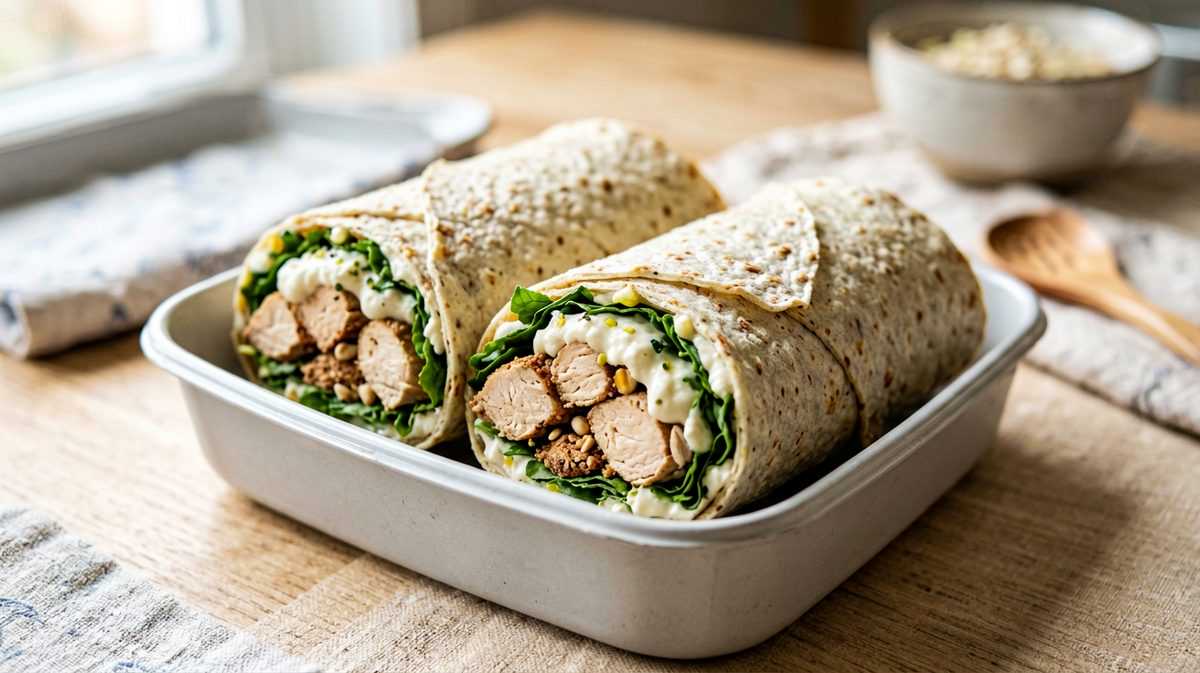
Low carb beef cube steak recipes are useful when you want a satisfying meal built around tender beef without depending on flour-heavy gravy, sugary sauces, or a large portion of starch. Cube steak is usually a thin cut that has been mechanically tenderized, so it cooks quickly and can become tender with the right method. It also needs enough moisture and seasoning to avoid tasting dry. This guide explains how to choose the beef, build a low-carb pan sauce, cook the steak without breading, portion it for a meal, and store it safely for a later lunch.
The phrase low carb does not make every version of cube steak automatically low carb. Flour used for dredging, canned gravy, onion soup mix, barbecue sauce, ketchup, and thickened restaurant sauces can add more carbohydrate than expected. The practical approach is to keep the protein central, choose vegetables that fit your plan, measure any thickener, and check packaged ingredients. If you track carbohydrate for a medical reason, use your own targets and professional guidance. This article is a general cooking and label guide, not individualized medical advice.
What cube steak is and why it cooks quickly
Cube steak is commonly made from a tougher beef cut, such as top round or bottom round, that has been run through a tenderizing machine. The small indentations in the surface give the steak its familiar cubed appearance. Tenderizing helps, but it does not remove the need for careful cooking. A thin steak can overcook quickly, and a very lean piece can become chewy if it is held over high heat for too long.
There are two reliable low-carb directions. The first is a fast skillet method: brown the steak briefly, remove it, make a pan sauce, and return the meat only long enough to finish. The second is a gentle braise: brown the steak, add a measured amount of liquid, cover the pan, and cook until tender. The fast method is best for a workday meal when you want a firm slice. The braise is better when the steak feels thick or particularly lean.
How to choose the ingredients
Beef
Choose cube steaks that are similar in thickness so they finish at about the same time. Look for a clean beef aroma, a moist but not slimy surface, and packaging that is intact. If the label lists a marinade, seasoning solution, or added broth, include those ingredients in your calculation. Some pre-seasoned steaks contain sodium or sugar-based flavoring, and that can change how much salt or sauce you need.
Cooking fat
Use a fat that suits the cooking temperature and the flavor you want. Avocado oil, olive oil, ghee, or a small amount of butter can work. Butter adds flavor but can brown quickly, so combine it with another cooking fat or lower the heat after the initial sear. You do not need a large amount of fat; the goal is to prevent sticking and carry the flavor of the browned beef into the sauce.
Low-carb sauce ingredients
A simple sauce can use beef broth, unsweetened mustard, mushrooms, garlic, black pepper, and a small amount of cream or sour cream added off the heat. Check the broth label for added sugar, starch, or maltodextrin. If you use a packaged seasoning blend, read the full ingredient list rather than relying on a front label. A teaspoon of thickener can be enough, but the amount depends on the liquid volume and the texture you want.
Vegetables
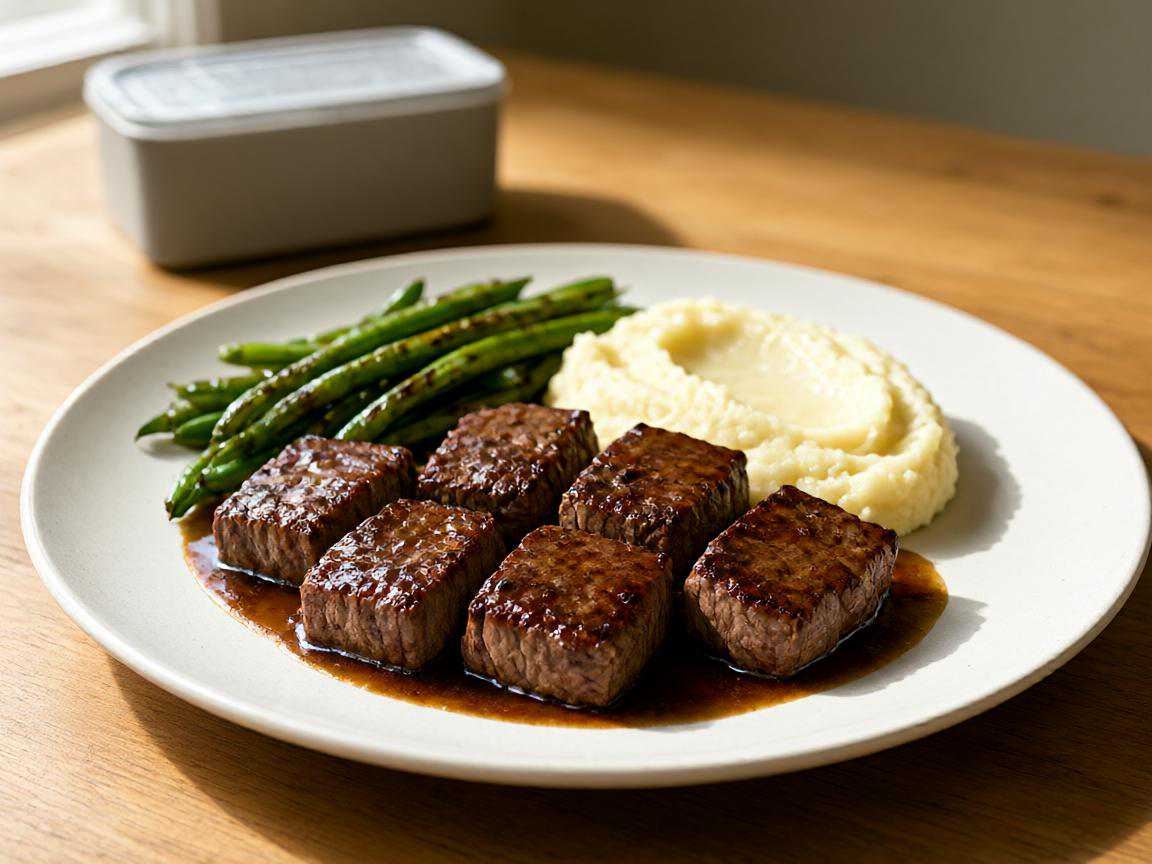
Serve cube steak with cauliflower mash, green beans, zucchini, cabbage, mushrooms, or a crisp salad. Choose one or two vegetables rather than letting the plate become a collection of unmeasured side dishes. If you are preparing the meal for transport, select vegetables that hold their texture after cooling. Roasted green beans and sautéed cabbage usually travel better than vegetables covered in a thin sauce.
Basic low carb cube steak skillet
This method makes about four servings, depending on the size of the steaks. You will need four cube steaks, one tablespoon of cooking fat, one cup of unsalted or lower-sodium beef broth, one teaspoon of Dijon mustard, one teaspoon of Worcestershire-style sauce with no added sugar, one teaspoon of garlic powder, one-half teaspoon of smoked paprika, black pepper, and salt to taste. Optional additions include four ounces of sliced mushrooms, two tablespoons of heavy cream, and one teaspoon of xanthan gum or another thickener that fits your plan. If you use a different thickener, follow its package directions.
- Pat the steaks dry with paper towels. Season both sides with pepper, garlic powder, smoked paprika, and a light amount of salt.
- Heat a large skillet over medium-high heat. Add the fat and wait until it shimmers but does not smoke.
- Brown the steaks in a single layer. Work in batches if needed. Cook for about two minutes on the first side and one to two minutes on the second side, depending on thickness. Move the steaks to a clean plate.
- Lower the heat to medium. Add the mushrooms if using and cook until they release moisture and begin to brown.
- Whisk the broth, mustard, and Worcestershire-style sauce together. Pour it into the skillet and scrape up the browned bits.
- Simmer the liquid for three to five minutes. If using a thickener, add it gradually and whisk constantly. Do not add a large amount at once.
- Return the steaks to the pan and cook gently until they reach the doneness you prefer. Use a thermometer rather than judging only by the color of the center.
- Remove the skillet from the heat. Stir in the cream if using, taste the sauce, and adjust pepper, mustard, or salt.
The sauce should coat the steak lightly rather than bury it. If it is too thick, add broth one tablespoon at a time. If it is too thin, simmer it briefly without the steaks. Keeping the steak out of the pan while the sauce reduces helps protect its texture.
Making the steak tender without flour
Flour is often used to coat cube steak before frying, but it is not essential. Tenderness comes from the cut, the cooking time, the moisture, and the final temperature. A thin cube steak usually benefits from a quick sear followed by a short finish in sauce. If you cook it hard for a long time, the muscle fibers tighten and the steak can become firm even when the sauce tastes good.
For a braised version, brown the steaks first, then add enough broth to come halfway up their sides. Cover the skillet and cook over low heat for 25 to 40 minutes, checking the liquid level as you go. The exact time depends on the thickness and the particular cut. The liquid should barely simmer. A rolling boil can make the outside dry before the center becomes tender.
If you want a crisp edge, use a very light coating of finely ground pork rinds, parmesan, or a low-carb breading mix that you have measured and checked. The coating is optional, not the definition of the dish. Read the label of any prepared mix for wheat flour, tapioca starch, rice flour, added sugar, and serving size. For a broader example of ingredient and serving-size review, see our 92nd keto bread guide.
Three sauce variations
Mushroom mustard pan sauce
Sauté sliced mushrooms in the browned pan, then add broth and Dijon mustard. The mustard gives the sauce sharpness, which means you do not need a sweet sauce to make the beef taste balanced. Finish with a spoonful of sour cream after removing the pan from the heat. Do not boil the sour cream because it can split. This version pairs well with cauliflower mash or roasted cabbage.
Garlic herb broth sauce
Use broth, garlic powder, dried thyme, rosemary, black pepper, and a small splash of lemon juice. The acid should brighten the sauce, not make it sour. Add it at the end and taste before adding more. This lighter sauce is useful for a packed lunch because it does not become as heavy after cooling. Pack the liquid in a separate leakproof cup if you want the vegetables to remain crisp.
Creamy pepper sauce
Reduce broth with cracked black pepper, then add a measured amount of heavy cream or unsweetened cream cheese. Check the cream cheese label because some flavored versions contain sugar or starch. Keep the heat low after the dairy is added. If the sauce becomes too thick, thin it with warm broth. The creamy version is rich, so one steak with a modest amount of sauce can be more satisfying than a large serving.
Portioning and nutrition decisions
Portion the finished meal after cooking rather than guessing from the raw package weight. The steak loses moisture as it cooks, and the sauce contributes its own calories, sodium, and carbohydrate. If you are calculating nutrition, record the exact amount of broth, cream, vegetables, and thickener used. Divide the finished recipe by the number of servings you actually create.
Protein is only one part of the meal. Add a vegetable that provides texture and volume, then decide whether the sauce is a light accent or a major source of fat. A cream sauce, cheese topping, and buttered vegetables can make the meal much more energy-dense than the steak alone. That is not automatically a problem, but it is worth recognizing when your goal includes weight management.
Salt deserves attention because beef broth, Worcestershire-style sauce, mustard, and pre-seasoned meat can all contain sodium. Start conservatively and add salt at the table if needed. If you are using a lower-sodium broth, the sauce may need more seasoning from acid, garlic, herbs, and pepper instead of simply adding more salt.
Storage, reheating, and portability
Cool leftovers promptly in shallow containers. Do not leave cooked beef at room temperature for a long period while waiting for it to cool. Store the steak and sauce together if you want the meat to stay moist, or separately if you want more control over the portion. Label the container with the date and refrigerate it. Use refrigerated leftovers within a few days and reheat them thoroughly.
Reheat gently in a covered skillet with one or two tablespoons of broth. The sauce protects the steak, but high heat can still make the meat tough. A microwave can work when the steak is sliced and covered with sauce; use short intervals and turn the pieces between intervals. Avoid repeatedly reheating the same container. Divide the meal into individual portions before storing.
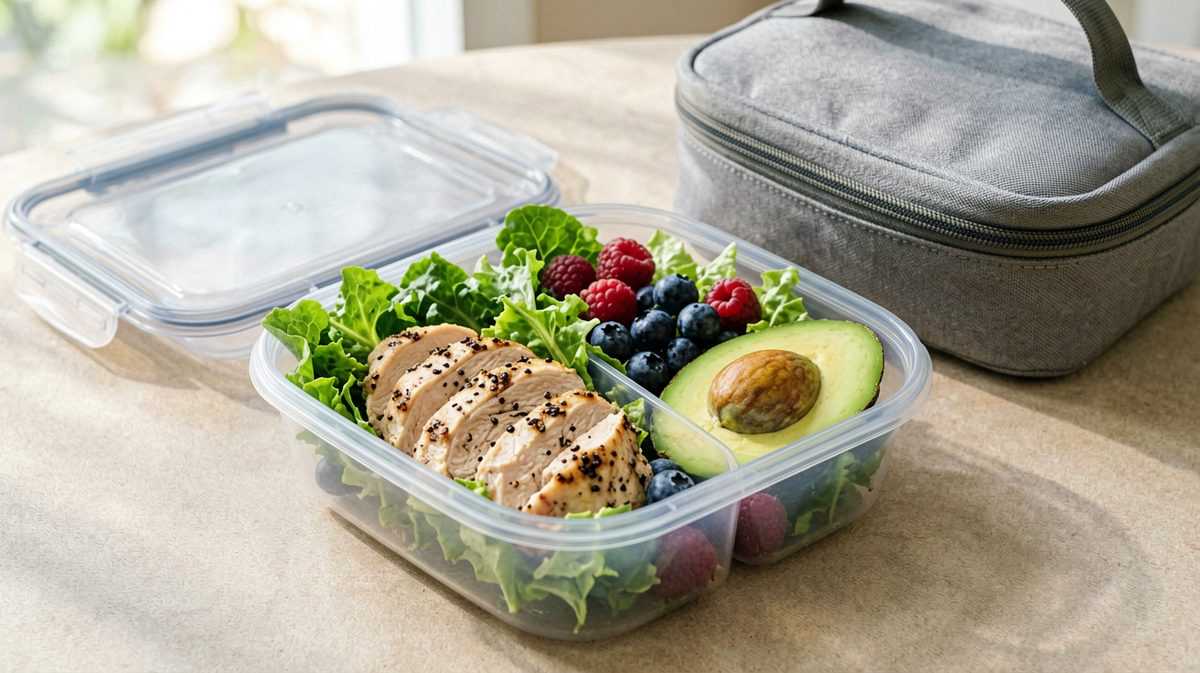
For a portable lunch, pack the steak with cauliflower mash or green beans in a leakproof container. Keep it cold in an insulated lunch bag with a frozen pack until you can reheat it. If no reheating is available, slice the steak thinly and serve it chilled or at a safe cool temperature with a separate mustard-based dipping sauce. The office snacks guide has additional ideas for keeping protein and flavorful add-ons organized during a workday.
How to build a cube steak meal-prep batch
For a four-serving batch, cook the steak in batches so the pan stays hot and the meat browns instead of steams. Make the sauce after the last batch, then return the steaks briefly to coat them. Let the food cool enough to stop heavy steam before sealing the containers, but do not leave it out for an unsafe length of time. Use one steak per container, a measured scoop of vegetables, and a small amount of sauce.
Keep vegetables separate when they contain a lot of moisture. Cauliflower mash can be packed in its own section, while green beans or roasted cabbage can sit beside the steak. A small sauce cup makes portioning easier. The meal-prep hub can help you organize batch cooking, cooling, and container labels.
Freeze only if the texture change works for you. Cream sauces may separate after freezing, and tenderized steak can become drier when reheated from frozen. If you freeze portions, cool them first, use freezer-safe containers, leave room for expansion, and thaw in the refrigerator. Reheat with extra broth and avoid high heat.
Common mistakes to avoid
- Skipping the drying step: wet surfaces steam instead of browning.
- Overcrowding the skillet: cook in batches so the beef develops color.
- Cooking the sauce and steak for the same length of time: reduce the sauce while the steak rests, then return the meat briefly.
- Using an unmeasured thickener: starches and flour can change the carbohydrate total quickly.
- Adding dairy over high heat: cream and sour cream can split or become grainy.
- Trusting a “keto” label without reading it: check serving size, added sugars, and starches.
- Reheating aggressively: gentle heat and a little broth protect tenderness.
- Using one utensil for raw and cooked meat: wash or replace tools between steps.
Questions people ask about low-carb cube steak
Can I use frozen cube steak?
Thaw it in the refrigerator before cooking for the most even result. Pat it dry after thawing. Cooking from frozen can leave the outside overdone before the center reaches a safe temperature, and it makes browning more difficult.
Is cube steak naturally low carb?
Plain beef contains no meaningful carbohydrate, but a prepared cube steak may have a marinade, seasoning solution, or breading. Read the package. The sauce and side dishes are also part of the meal, so calculate the full plate rather than the meat alone.
Can I make this in a slow cooker?
Yes, but brown the steak first for better flavor. Add broth and seasonings, then cook until tender. Use less liquid than you would for soup and add dairy near the end. A slow cooker can make the steak tender, but it will not create a crisp crust.
What can replace Worcestershire-style sauce?
Use a small amount of vinegar, mustard, tamari, or broth with extra spices. Check each substitute for sugar and starch. You can also omit it; the recipe still works when the broth, pepper, garlic, and acid are balanced.
How do I keep the recipe low carb without making it bland?
Build flavor from browning, mushrooms, mustard, herbs, pepper, garlic, and a small amount of acid. Low-carb cooking does not require removing flavor; it requires replacing flour and sugar with measured ingredients that provide savory depth.
Final method
A dependable low carb beef cube steak recipe is built on restraint: dry and season the meat, sear it in batches, develop the sauce from the browned pan, thicken only when necessary, and return the steak for a short finish. Pair it with a sturdy vegetable, portion the sauce, and store the meal cold. When you read labels for broth, mustard, seasoning blends, dairy, and optional breading, you can keep the dish practical without pretending that every packaged ingredient is interchangeable.
For more measured snack and meal ideas, visit the Smart Snack Fuel snack ideas hub. The same principles apply across the site: use a clear portion, choose ingredients for their actual labels, and make the meal easy to repeat on a busy day.