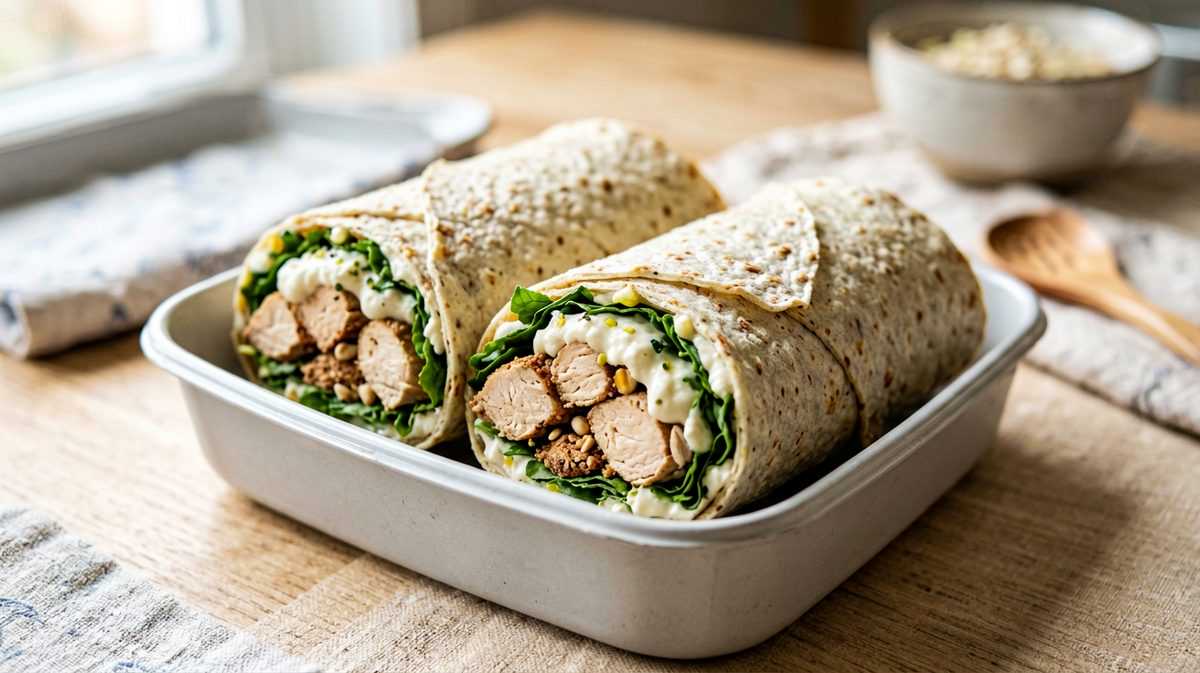
Keto Asian chicken recipes work best when they preserve the qualities people enjoy in Asian-inspired cooking: aromatic garlic and ginger, bright acids, savory umami, fresh herbs, and a sauce that coats the food without drowning it in sugar. A low-carbohydrate version does not need to be bland or limited to plain grilled chicken. It needs a clear approach to sauces, vegetables, portion size, and the way the meal will be stored or carried.
This guide gives a practical shortlist of chicken meals and small plates built around those principles. You will find sesame-ginger chicken, lettuce cups, a coconut curry bowl, a quick stir-fry, satay-style skewers, and meal-prep combinations. The recipes use common ingredients but still require label checks because soy sauce, chili sauce, marinades, curry pastes, and bottled dressings can contain added sugar or starch. The goal is useful flavor with honest product disclosures and a preparation plan that survives a busy week.
For a wider snack rotation, start with the snack ideas hub. Then choose whether today’s chicken will be a full meal, a portable lunch, or a small protein-rich appetizer. That role determines the amount of sauce, vegetables, and side food you need.
How to build a low carb Asian chicken plate
A balanced plate begins with an anchor protein, a vegetable component, and a flavor system. Chicken supplies the anchor, but the cut matters. Thigh meat stays moist in a skillet and works well with curry or lettuce cups. Breast meat is leaner and convenient for batch cooking, but it needs careful timing. Ground chicken cooks quickly and accepts aromatics, while shredded chicken is useful for cold salads and wraps.
The flavor system usually has four parts: salt or umami, aromatics, acidity, and heat. Soy sauce or coconut aminos may provide salt and umami. Garlic, ginger, scallions, and toasted sesame oil bring aroma. Rice vinegar, lime, or lemon gives lift. Chili, pepper, or a small amount of chili paste adds heat. When these parts are balanced, you need less sweet sauce to make the dish interesting.
Vegetables provide volume and contrast. Bok choy, cabbage, mushrooms, zucchini, cucumber, green beans, broccoli, cauliflower, and bell pepper can all work depending on the recipe. Use a mixture of textures rather than cooking everything until soft. A crisp cucumber or fresh herb garnish can make a reheated meal taste more complete without adding a complicated side dish.
Recipe 1: Sesame ginger chicken with greens
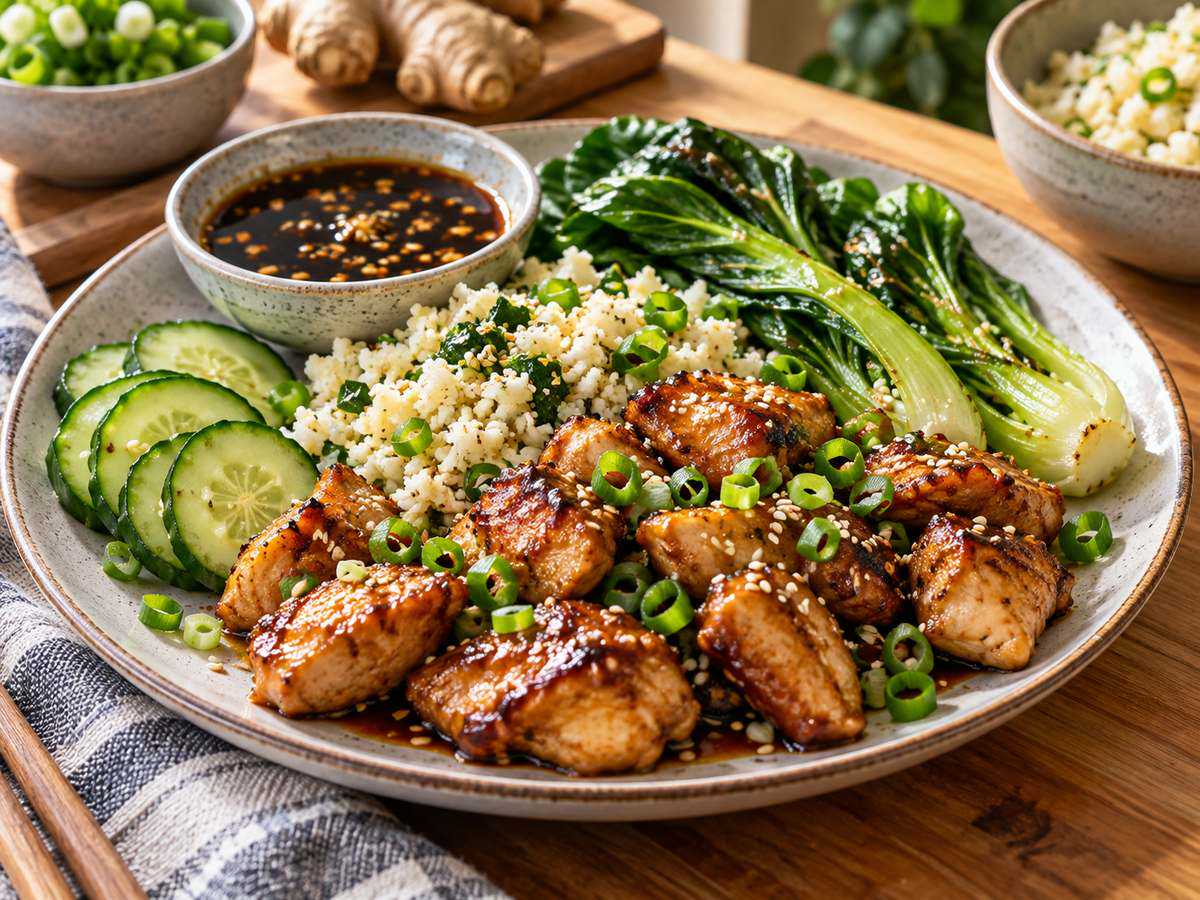
Cut boneless chicken thighs or breast into bite-sized pieces. Toss them with grated ginger, minced garlic, a small amount of soy sauce or coconut aminos, rice vinegar, and pepper. Let the pieces stand briefly while you prepare bok choy, shredded cabbage, or broccoli. Heat a skillet, add a measured amount of oil, and cook the chicken in a single layer until browned and cooked through.
Remove the chicken, add the vegetables, and cook until the edges are bright and tender but not collapsed. Return the chicken to the pan and add a small finishing mixture of soy sauce, vinegar, sesame oil, and chili. Sesame oil is concentrated, so a little can carry the flavor. Finish with scallions and sesame seeds if they fit your label and allergy needs.
This recipe is useful for both dinner and lunch. For meal prep, keep the chicken and vegetables in shallow containers so they cool promptly. Reheat gently and add fresh cucumber or herbs after warming. For a more portable version, serve the mixture over cauliflower rice or inside sturdy lettuce leaves, with sauce measured separately if the container will sit for several hours.
Recipe 2: Chicken lettuce cups
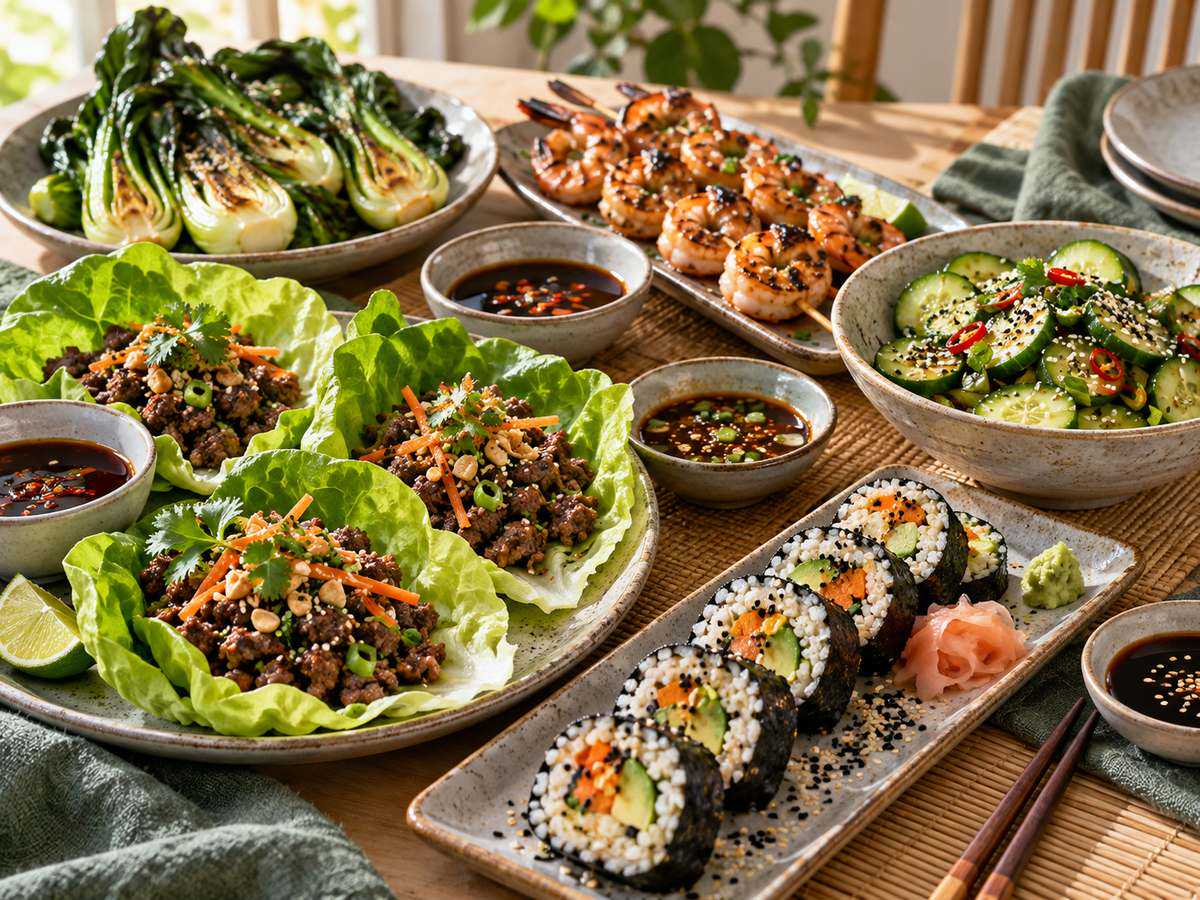
Ground chicken makes a fast filling for lettuce cups. Brown it with garlic, ginger, chopped mushrooms, and finely diced water chestnuts only if the amount fits your plan. Add soy sauce, vinegar, lime, and a small amount of chili. If you want more body, stir in shredded cabbage or finely chopped zucchini after the chicken is nearly done. Cook until the vegetables are tender but the filling remains spoonable rather than watery.
Choose lettuce leaves that are flexible but strong, such as butter lettuce or large romaine leaves. Wash and dry them thoroughly. Moisture can make the cups tear and dilute the filling. Serve with cucumber, cilantro, scallions, or crushed peanuts as optional toppings. Keep the filling hot and the lettuce cold until serving when possible.
For a packed lunch, store the filling in one container and the leaves in another. Reheat the filling if safe equipment is available, then assemble at the desk. The portable lunch guide uses the same separation principle: keep crisp or fresh components away from hot or wet components until the meal begins.
Recipe 3: Coconut curry chicken bowl
For a quick curry, brown chicken thigh pieces in a skillet and set them aside. Cook onion only in the amount you want, then add garlic, ginger, curry powder or curry paste, and a small amount of turmeric. Stir in unsweetened coconut milk and a splash of stock. Return the chicken and simmer until the sauce thickens and the meat is tender. Add spinach, zucchini, mushrooms, or green beans near the end so they retain some texture.
Read the curry paste label carefully. Some pastes and simmer sauces contain sugar, fruit concentrate, or starch. The same applies to canned coconut milk; choose an unsweetened product and check for added ingredients. A small amount of lime juice at the end makes the curry taste brighter. If the sauce is too rich, add stock or extra vegetables rather than pouring in more coconut milk.
Serve the curry over cauliflower rice, shredded cabbage, or a small portion of another suitable base. If you prepare it ahead, store the base separately so it does not absorb all the sauce. Curry often tastes deeper the next day, but the vegetables may soften. Add fresh herbs or a squeeze of lime after reheating.
Recipe 4: Fast chicken and vegetable stir-fry
A stir-fry is less a fixed recipe than a timing method. Cut chicken and vegetables before the pan is hot. Cook the chicken first, remove it, then add dense vegetables such as broccoli stems or green beans, followed by faster ingredients such as mushrooms, cabbage, or bean sprouts. Return the chicken and add sauce at the end. This keeps the sauce from burning and avoids steaming the entire pan.
A simple sauce can combine soy sauce, rice vinegar, ginger, garlic, sesame oil, and a small amount of chili. If you use a thickener, understand what it contributes. A tiny amount of xanthan gum can create a different texture from cornstarch, but it should be added carefully and according to your tolerance. You can also reduce the sauce in the pan and let the vegetables provide the body.
Stir-fry is convenient for a family meal because people can choose different vegetables. For a single portion, use a wide skillet and avoid crowding. If the pan is crowded, the chicken may release water and the vegetables can become soft before browning. A hot pan, dry ingredients, and short cooking time are more important than a large amount of oil.
Recipe 5: Satay-style chicken skewers
Cut chicken into strips and marinate it briefly with lime, garlic, ginger, turmeric, salt, and a small amount of oil. Thread the pieces onto skewers or place them on a sheet pan. Cook until the center is done, turning once for even browning. Serve with a measured peanut or seed dipping sauce made from unsweetened nut butter, lime, soy sauce, water, and chili.
Peanut butter and nut butter are concentrated foods, so portion the dip rather than placing a large bowl beside the tray. Check the ingredient list for added sugar or sweetened oils. If allergies are a concern, use a seed butter made in a facility appropriate for the guest. A little sauce can be enough when the chicken is well seasoned and finished with lime.
Skewers are useful as an appetizer or lunch component. The low carb appetizer guide offers ideas for pairing protein bites with crisp vegetables and controlled dips. For a full meal, add a vegetable side and a clear portion of cauliflower rice or cabbage.
Recipe 6: Cold sesame chicken salad
Use chilled cooked chicken, shredded cabbage, cucumber, scallions, cilantro, and a dressing of sesame oil, vinegar, lime, soy sauce, and grated ginger. Add toasted sesame seeds or chopped peanuts if suitable. Keep the dressing separate until serving so the cabbage and cucumber remain crisp. This is a useful option when there is no microwave but refrigeration is available.
Cold chicken salad needs careful storage. Cool cooked chicken promptly, keep it chilled, and use an insulated bag with an ice pack when it travels. Do not rely on smell alone to judge safety. If the salad will be away from refrigeration for a long period, choose a shelf-stable option designed for that situation instead.
Ingredient and label checks
Soy sauce varies in sodium and ingredient composition. Coconut aminos may taste sweeter and can still contribute carbohydrate. Hoisin sauce, sweet chili sauce, teriyaki sauce, bottled stir-fry sauce, and many marinades often contain sugar or starch. Read the serving size and compare the amount you actually use. If a sauce is central to the dish, account for it rather than calling the meal keto based only on the chicken.
Check curry paste, canned coconut milk, nut butter, broth, spice blends, and pre-cut vegetables. A product can have a low carbohydrate serving but still be high in sodium or easy to overuse. If you have a food allergy, check both the ingredient list and cross-contact statement. Formulas change, so use the current package in your kitchen rather than an old online entry.
Protein is not a reason to ignore the rest of the plate. Chicken recipes are easier to repeat when they include vegetables, an appropriate fat amount, and enough flavor to prevent boredom. A low-carb meal can still be energy dense if it combines a large portion of chicken with oil, coconut milk, nuts, and a rich sauce. Match the portion to hunger, activity, and the role of the meal.
Meal prep and storage
Prepare chicken in a batch, but vary the finishing sauce. One batch of plain cooked chicken can become sesame ginger bowls, lettuce cups, curry, or cold salad. This is more flexible than cooking four complete recipes at once. Label containers with the date and intended use. Cool food promptly in shallow containers and follow current local storage guidance for cooked poultry.
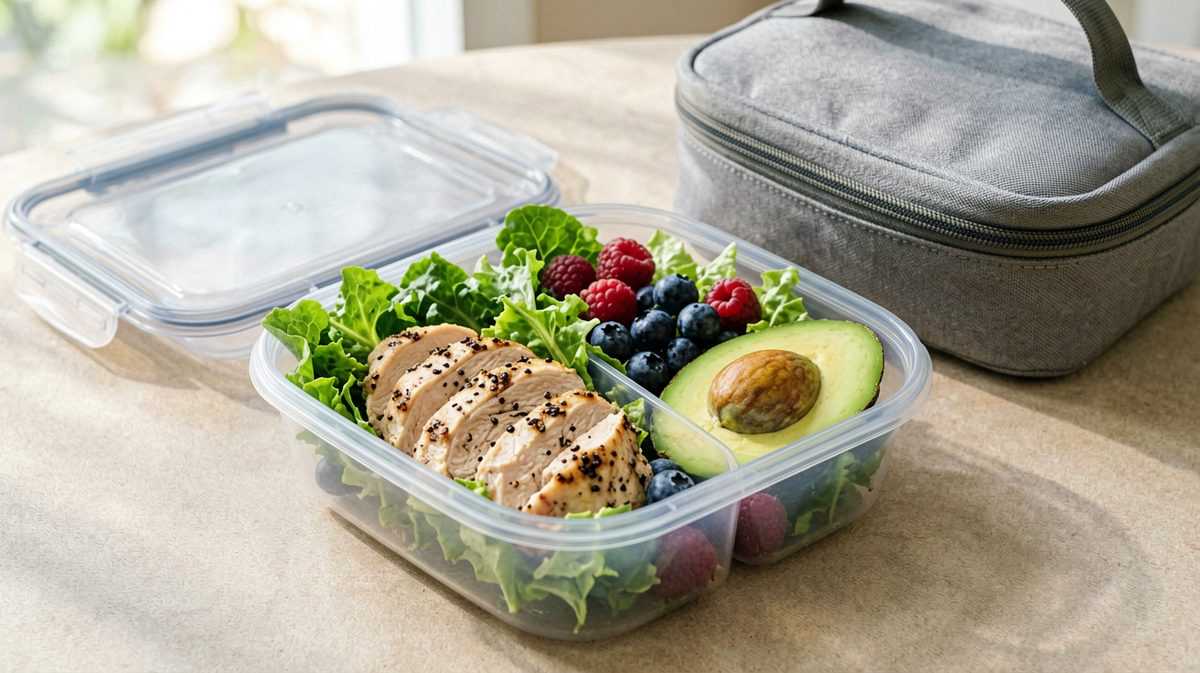
Keep bases and sauces separate when texture matters. Cauliflower rice can become watery if stored under a hot sauce. Lettuce, cucumber, herbs, and crunchy toppings should be packed apart from warm chicken. A sauce cup prevents a lunch from becoming soggy and allows you to use only the amount needed. These small packaging decisions often matter more than adding another spice.
For reheating, use moderate heat and stop when the chicken is hot rather than continuing until it dries out. Add a splash of stock or water to a thick sauce if needed, then finish with lime or herbs. Reheating several times usually harms texture, so portion the batch into single meals. The goal is to make the next choice easy, not to keep one large container in rotation indefinitely.
Portability and workday options
A portable Asian chicken lunch should be designed around the equipment you have. If there is a microwave, pack a sauce-based bowl with vegetables. If there is only a refrigerator, choose cold sesame chicken salad or chicken lettuce cups. If there is no reliable cooling, use a shelf-stable protein option instead of carrying cooked chicken beyond a safe temperature window. An attractive recipe is not useful if the storage plan is unrealistic.
Choose leak-resistant containers, keep sauces in small cups, and separate crisp toppings. For office meals, avoid a sauce so strong that it dominates a shared workspace. For travel, select chicken pieces that can be eaten with a fork and do not require complicated assembly. The product guide also illustrates the value of matching a packaged food to its actual storage and serving context.
Flavor adjustments without added sugar
If a sauce tastes flat, add acid before adding sweetness. Lime, vinegar, or lemon can sharpen ginger and garlic. If it tastes harsh, add a little fat or dilute it with stock. If it needs more depth, try toasted sesame oil, mushrooms, a small amount of fish sauce, or a suitable umami seasoning. Add chili gradually. Heat can hide the flavor of a delicate sauce and make a meal difficult to enjoy.
Fresh herbs provide a strong finish with little effort. Cilantro, Thai basil, mint, scallions, and thinly sliced cucumber can change the character of a leftover bowl. Use herbs after reheating rather than cooking them for a long time. Keep them dry in a towel-lined container so they do not wilt before the meal.
Common mistakes and fixes
One common mistake is using a sweet bottled sauce without checking the label. Measure it or build a quick sauce from pantry ingredients. Another is crowding the pan. Cook in batches if necessary so the chicken browns instead of steaming. A third mistake is overcooking breast meat during meal prep. Use smaller pieces, stop as soon as the center is cooked, and reheat gently.
It is also easy to add too many rich ingredients at once. Coconut milk, oil, nuts, and creamy sauces can all be useful, but the meal does not need a large amount of each. Choose the main source of richness and let vegetables and acid provide balance. If a dish feels heavy, add cabbage, cucumber, herbs, broth, or lime rather than only reducing the portion after cooking.
Do not treat “Asian-inspired” as a license to combine unrelated flavors randomly. Pick a direction: sesame ginger, coconut curry, chili lime, or soy vinegar. Use the same flavor system across the protein, vegetable, and dip. A focused plate feels more satisfying and is easier to reproduce.
Frequently asked questions
What makes Asian chicken recipes keto?
The chicken itself is usually low in carbohydrate, but the full recipe depends on the sauce, vegetables, thickeners, and side. Use unsweetened or low-sugar ingredients, read current labels, and portion coconut milk, nut butter, and oil. A recipe is not automatically keto because it contains chicken; the whole plate matters.
Can I use regular soy sauce?
Yes, if it fits your sodium, gluten, and allergy needs. Compare the label with coconut aminos or tamari rather than assuming one is always better. If gluten avoidance matters, verify that the product is certified or labeled appropriately. Use enough for flavor and salt, then add acid and aromatics instead of repeatedly pouring more sauce.
Which chicken cut is best for meal prep?
Thighs are forgiving and remain moist in saucy dishes. Breast can be convenient and leaner but needs careful cooking. Ground chicken is fast for lettuce cups and meatballs, while shredded chicken is useful for cold salads. Choose the cut that matches the cooking method and storage plan rather than treating one cut as universally superior.
Can these recipes be made ahead?
Yes. Cook chicken and vegetables in a controlled batch, cool them promptly, label containers, and store sauces and fresh toppings separately when possible. Reheat only the portion you plan to eat. Cold sesame salad and lettuce cups need strict chilling, while curry and stir-fry need gentle reheating to protect texture.
For another batch-friendly chicken approach, use the meal-prep chicken resource. The useful principle is to create a neutral base and finish it in different directions. That keeps the week flexible without requiring a new recipe every day.
Bottom line
Keto Asian chicken recipes are most satisfying when the sauce is treated as a measured flavor system rather than a sugary shortcut. Build around chicken, vegetables, aromatics, acid, and controlled umami. Try sesame ginger, lettuce cups, coconut curry, a fast stir-fry, satay-style skewers, or cold sesame salad. Read labels, separate wet and crisp components, store poultry safely, and match the recipe to the equipment and time you actually have. A focused, flavorful plate can be low in carbohydrate without losing the contrast and brightness that make Asian-inspired cooking enjoyable.