Low carb Asian food recipes can be bright, aromatic, and deeply savory without depending on a large serving of rice, noodles, sweet sauces, or battered foods. The most useful approach is to keep the flavor architecture and change the base: add protein, use vegetables for volume, choose a sauce you can measure, and build texture with herbs, seeds, or crisp fresh ingredients. That creates meals that feel complete rather than simply missing a starch.
This guide offers a practical shortlist across several styles: lettuce-wrapped beef, cauliflower rice bowls, cucumber salads, shrimp skewers, egg drop soup, vegetable stir-fries, and cauliflower-based rolls. It also explains how to compare sauces, control sodium, store components, and pack a meal for work or travel. The phrase low carb is not a guarantee of balance, so each recipe is designed around clear portions, a protein anchor, and a label check for hidden sugar or starch.
Use the snack ideas hub when you need smaller bites, then decide whether this food will be lunch, dinner, or a portable meal. The answer helps you choose the amount of sauce, vegetables, and side rather than cooking a large batch without a clear use.
The structure of a low carb Asian meal
Many Asian-inspired meals are built from a balance of savory seasoning, fresh aromatics, acidity, heat, and contrasting textures. Rice or noodles often provide the neutral base, but that role can be filled by cauliflower rice, shredded cabbage, mushrooms, zucchini, or a smaller vegetable mix. Choose a base that matches the sauce. A watery base under a thin sauce can feel unsatisfying, while a dense base under a rich sauce can become heavy.
Protein gives the meal staying power. Chicken, beef, pork, shrimp, eggs, tofu, and fish can all work depending on the recipe and your dietary preferences. Cook the protein simply enough that the sauce remains recognizable. If the sauce contains soy, sesame, coconut, or nuts, check whether the protein needs much additional salt. Building flavor in layers is usually better than pouring a large amount of bottled sauce over the finished plate.
Vegetables provide volume, color, and texture. Cabbage, bok choy, broccoli, mushrooms, green beans, cucumbers, radishes, peppers, zucchini, and leafy greens are versatile. Use one cooked vegetable and one fresh element when possible. This contrast makes leftovers more interesting and keeps a reheated meal from becoming uniformly soft.
Recipe 1: Ginger beef lettuce wraps
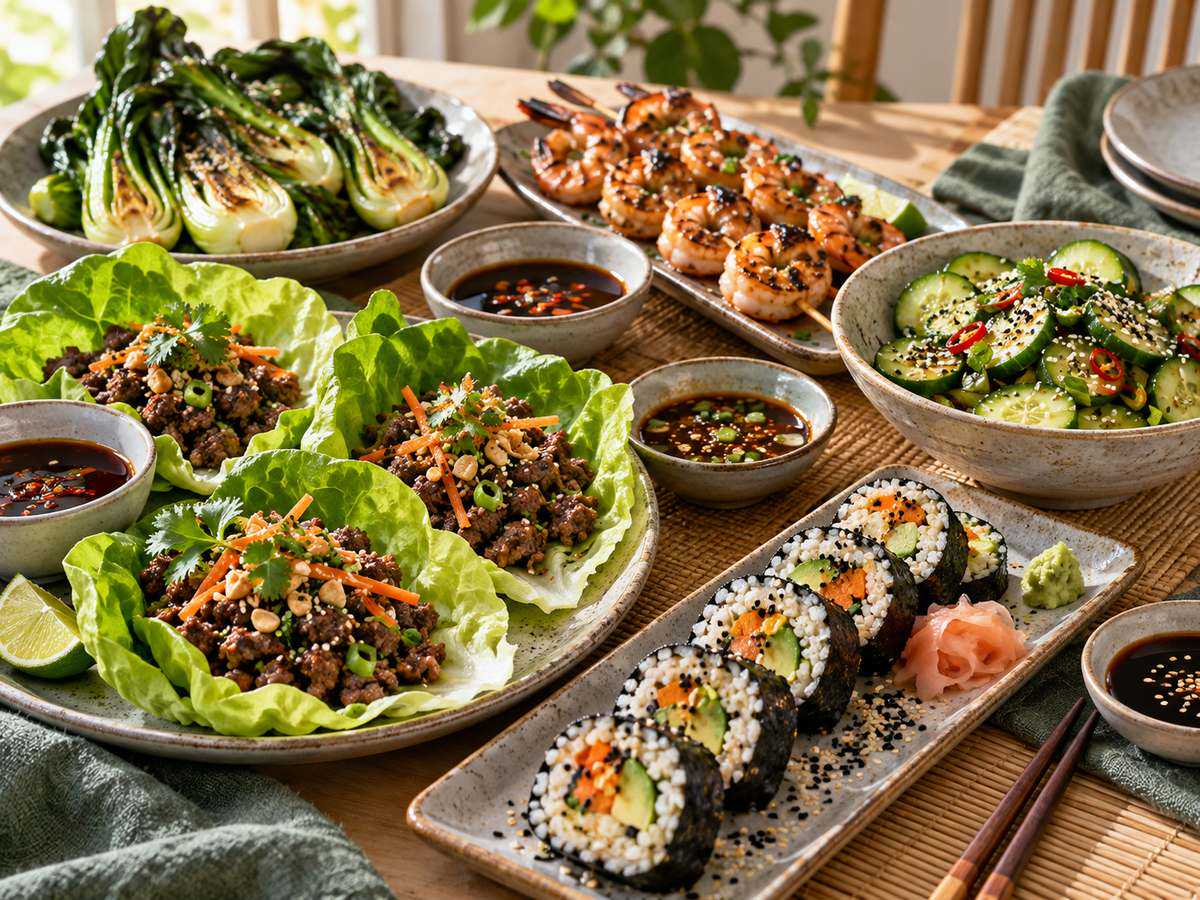
Brown lean ground beef or finely chopped steak in a wide skillet. Add garlic, ginger, scallions, and mushrooms. Season with soy sauce or tamari, rice vinegar, pepper, and a little chili. Cook until the mixture is savory and mostly dry, because a watery filling will tear the lettuce. Add shredded cabbage at the end for texture and let it soften only slightly.
Use butter lettuce or sturdy romaine leaves as cups. Wash and dry them carefully, then spoon in the warm beef filling just before serving. Finish with cucumber, cilantro, sesame seeds, or a measured peanut sauce. If you are packing the meal, keep the beef, lettuce, and toppings in separate containers. Assemble at the table or desk so the leaves stay crisp.
This recipe is easy to customize, but the sauce still deserves a label review. Bottled hoisin, teriyaki, and sweet chili sauces can add sugar quickly. A homemade mixture of soy, vinegar, ginger, lime, and chili lets you control the flavor. If you use peanut butter, choose an unsweetened product and measure it rather than treating the dip as a free ingredient.
Recipe 2: Cauliflower rice bowl with sesame vegetables
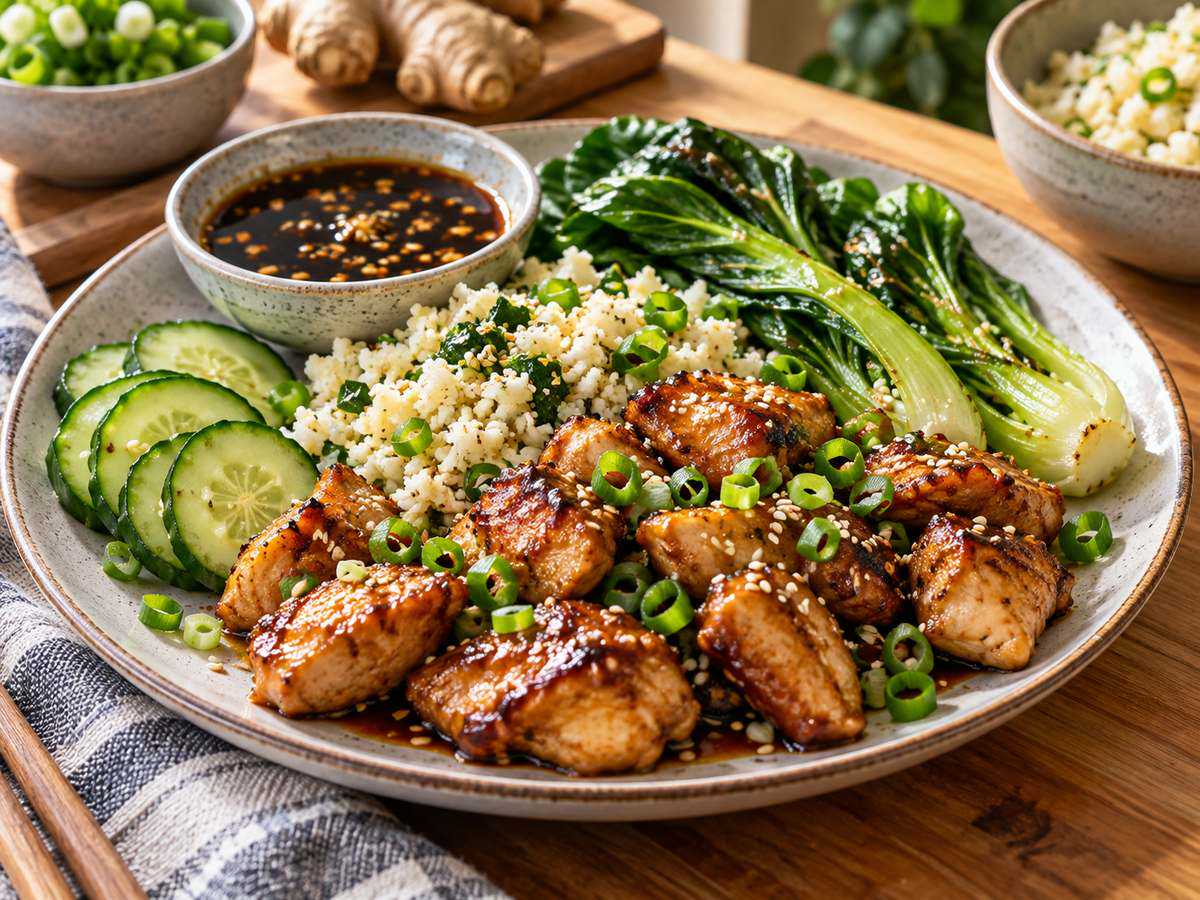
Make a bowl with cooked chicken, shrimp, beef, or tofu and a vegetable-rich cauliflower rice base. Sauté cauliflower rice in a wide pan so it dries slightly rather than steaming. Add mushrooms, bok choy, or shredded cabbage and cook until the vegetables are tender but still have shape. Keep the seasoning simple with garlic, ginger, soy sauce, and sesame oil.
Add the protein at the end if it is already cooked, or cook it separately to avoid overcooking the vegetables. Finish with scallions, lime, and a small amount of toasted sesame. A soft-boiled egg can add richness, but portion it according to the role of the meal. The bowl can be served warm or cooled for a packed lunch, although fresh toppings should be stored separately.
Recipe 3: Cucumber and shrimp salad
For a cool meal, combine cooked shrimp, cucumber, radish, scallions, cilantro, and a dressing of lime, rice vinegar, soy sauce, grated ginger, and sesame oil. Add a small amount of chili for heat. Keep the cucumber and shrimp cold, and drain excess liquid before adding the dressing. A watery salad can dilute the flavor and become difficult to transport.
Use the salad as a light lunch with a protein-forward portion, or serve a smaller amount as an appetizer. If you need more volume, add shredded cabbage or leafy greens. If you need more energy, add a planned fat source such as avocado or a measured seed topping. The right addition depends on the person and the rest of the day rather than on a universal definition of a complete bowl.
Recipe 4: Coconut curry vegetable soup
Start with a small amount of oil, garlic, ginger, and a suitable curry paste or curry powder. Add unsweetened coconut milk and stock, then simmer with mushrooms, bok choy, zucchini, or shredded cabbage. Add cooked chicken or shrimp near the end so it warms without becoming tough. Finish with lime juice and herbs. The soup should taste aromatic and savory, not primarily sweet.
Read the label on curry paste and coconut milk. Some products contain sugar, fruit concentrate, or starch. If the broth is salty, use less soy sauce and rely on lime, herbs, and chili for contrast. Soup is useful for meal prep, but delicate vegetables soften after repeated reheating. Store the broth and cooked protein separately when you want better texture.
Recipe 5: Shrimp and vegetable skewers
Thread shrimp with bell pepper, zucchini, or mushrooms onto skewers. Brush them with a mixture of lime, garlic, ginger, soy sauce, and a little oil. Grill or roast until the shrimp are opaque and the vegetables are tender. Do not overcook shrimp; they become rubbery quickly. Serve with cucumber, herbs, and a measured sesame or yogurt dip.
Skewers can be a portable meal component or a small appetizer. Cool cooked food promptly, keep it chilled during transport, and pack sauce separately. The appetizer guide gives additional ideas for pairing protein bites with crisp vegetables. For a full meal, add a vegetable base and a clear portion of cauliflower rice or cabbage.
Recipe 6: Egg drop soup with greens
Bring a suitable broth to a gentle simmer with ginger, scallion, mushrooms, and leafy greens. Beat eggs and pour them slowly into the moving broth while stirring in one direction. Season with soy sauce, white pepper, and sesame oil. Add shredded chicken or shrimp if you need more protein. The soup is quick, comforting, and naturally suited to a low-starch meal.
Broth labels vary widely in sodium and ingredients. Choose a product that fits your needs and taste before adding more salt. If the soup is being packed, carry it in a leak-resistant insulated container and do not assume it will remain safe indefinitely. A soup thermos is useful for short trips, but it does not replace food-safety planning.
Recipe 7: Cauliflower sushi-style rolls
Cook cauliflower rice, then cool it and season lightly with rice vinegar and salt. Spread it thinly over nori and add cucumber, avocado, cooked salmon, shrimp, chicken, or egg. Roll firmly and slice with a damp knife. These are not identical to rice sushi because cauliflower contains more moisture and a different texture, but they offer a hand-held meal with familiar fillings.
Keep the filling dry and avoid overloading the roll. Wet sauces can make nori soft before serving. Pack soy sauce or a low-sugar dipping sauce separately. If you are preparing rolls ahead, chill them and eat them within a suitable safe period. Fresh herbs and cucumber can be added close to serving for better texture.
Recipe 8: Quick cabbage and pork skillet
Brown ground pork or sliced pork with garlic, ginger, and pepper. Add shredded cabbage, mushrooms, and a small amount of soy sauce. Cook until the cabbage is tender but retains a little bite. Finish with vinegar, chili, and scallions. This is one of the most forgiving low carb Asian food recipes because cabbage provides volume, holds flavor, and reheats better than many delicate greens.
Use a wide pan and cook in batches if needed. Too much cabbage at once releases water and prevents browning. If the finished skillet tastes heavy, add vinegar or lime rather than more oil. For meal prep, store a fresh cucumber or herb garnish separately. A cold crunchy element can make the reheated dish taste new.
Sauces and label checks
Sauces are where many low carb Asian meals change character. Soy sauce, tamari, coconut aminos, fish sauce, sesame oil, chili paste, curry paste, rice vinegar, and bottled dressings all vary by brand. Check total carbohydrate, added sugar, sodium, serving size, and ingredients. A tablespoon may be more or less than the amount you pour casually into a skillet. Measure first, then adjust flavor with acid, water, stock, herbs, and heat.
Thick sauces often use sugar or starch. If you want body, reduce the sauce in the pan, blend a small amount of cooked vegetable, or use a suitable thickener in a controlled amount. A sauce does not need to be glossy and sweet to feel complete. Ginger, garlic, toasted sesame, citrus, and vinegar can create depth without a large sweetener dose.
Allergy and dietary needs also matter. Soy, sesame, peanuts, tree nuts, fish sauce, shellfish, and coconut appear frequently. Use separate utensils and read shared-equipment statements when cooking for someone with a serious allergy. A recipe can be low carb and still unsuitable for a specific person. Ask about restrictions instead of guessing from a dish name.
Meal prep, storage, and portability
Make a neutral protein batch and finish it in different directions. Plain chicken can become ginger chicken, curry, lettuce cups, or cold salad. Plain ground beef can become lettuce wrap filling or a cabbage skillet. This approach limits cooking time without forcing you to eat the same flavor every day. The meal-prep chicken guide uses the same component logic.
Cool cooked meat, shrimp, eggs, and rice alternatives promptly in shallow containers. Label the date and intended use. Keep fresh vegetables, herbs, nori, and crunchy toppings separate from sauces and warm foods. Reheat only the portion you plan to eat. Repeated reheating harms texture and can make a good recipe feel stale.
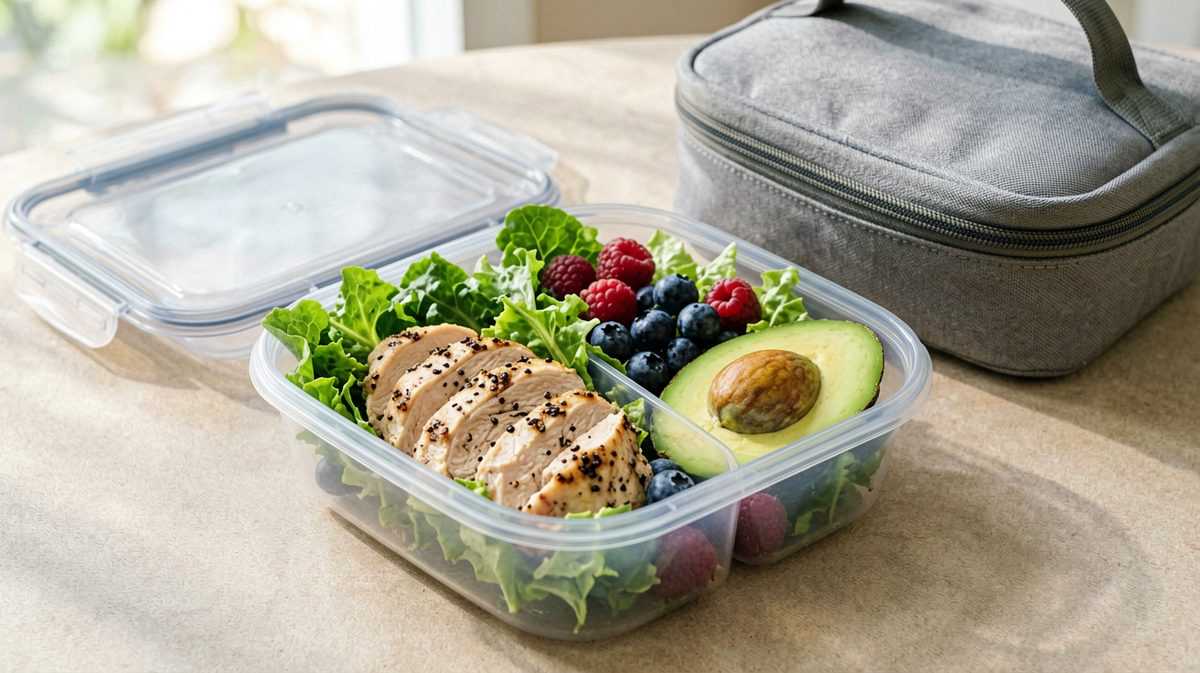
For a workday lunch, use a leak-resistant container and keep sauces in a small cup. If there is a microwave, choose curry, soup, or a stir-fry bowl. If there is only refrigeration, choose shrimp salad, lettuce wraps, or cauliflower rolls. If there is no reliable cooling, select shelf-stable food designed for that situation instead of carrying cooked protein beyond a safe temperature window.
Portable eating also changes portion decisions. A bowl eaten at a desk may need less sauce than a dinner served on a plate. A skewer or lettuce cup should be easy to handle without a large amount of dripping liquid. The portable meals section can help you compare the container and equipment needs before choosing a recipe.
How to balance a plate
Use one main protein, one cooked vegetable, one fresh or crunchy element, and one measured sauce. This creates contrast without requiring a large number of dishes. For example, sesame beef lettuce cups can use beef, mushrooms, cucumber, lettuce, and a lime sauce. Curry soup can use chicken, bok choy, mushrooms, herbs, and coconut broth. A shrimp bowl can use shrimp, cauliflower rice, cucumber, and ginger dressing.
Rich ingredients deserve a role rather than a vague pour. Coconut milk, avocado, nuts, sesame oil, and mayonnaise can all improve flavor, but using several heavily may make the meal dense. Choose one primary source of richness and use acid and vegetables to keep the plate bright. If you are managing energy intake, a low carbohydrate label does not remove the need for a visible portion.
Common mistakes and fixes
A common mistake is cooking every ingredient at the same time. Dense vegetables and protein need more heat, while herbs and cucumber need almost none. Prepare ingredients by cooking time. Another mistake is using a large amount of bottled sauce to compensate for under-seasoned food. Salt the protein appropriately, add aromatics early, and finish with acid so the sauce can remain measured.
Overcooked chicken is another predictable problem. Cut pieces evenly, use a thermometer or reliable doneness method, and stop cooking as soon as the center is safe. Store sauce separately when reheating. If leftovers are dry, add a small amount of stock or vinegar-based sauce rather than continuing to heat them.
Do not assume that a vegetable substitute must imitate rice or noodles perfectly. Cauliflower rice can be satisfying when it has its own seasoning and texture. Cabbage can be better than a watery noodle substitute if the meal needs crunch. Choose the base that makes the dish enjoyable rather than comparing every bite to the original starch.
Frequently asked questions
What makes Asian food low carb?
The overall plate matters. Use a protein anchor, vegetables, measured sauces, and a suitable base instead of relying on rice, noodles, sweet glaze, or battered foods. Check the current labels for sauces and broths. A dish is not automatically low carb simply because it contains meat and vegetables.
Can I use cauliflower rice every day?
You can if you enjoy it and it fits your needs, but variety helps texture and adherence. Rotate cabbage, mushrooms, leafy greens, zucchini, broccoli, cucumber, and other vegetables. Some meals are better with soup, lettuce, or a salad than with another rice substitute. Choose the base that suits the sauce and storage plan.
How do I reduce sodium?
Compare labels, use less soy sauce, dilute salty sauces with lime, vinegar, water, or unsalted stock, and add aromatics for depth. Fresh herbs, ginger, garlic, chili, and toasted sesame can make food flavorful without relying only on salt. Taste at the end because reduction concentrates sodium and flavor.
Which recipes are best for beginners?
Start with ginger beef lettuce wraps, a cauliflower rice bowl, cucumber shrimp salad, or cabbage and pork skillet. They use flexible ingredients and make it easy to see how sauce, texture, and portion work together. Add soup, curry, or cauliflower rolls after you understand how your chosen ingredients store and reheat.
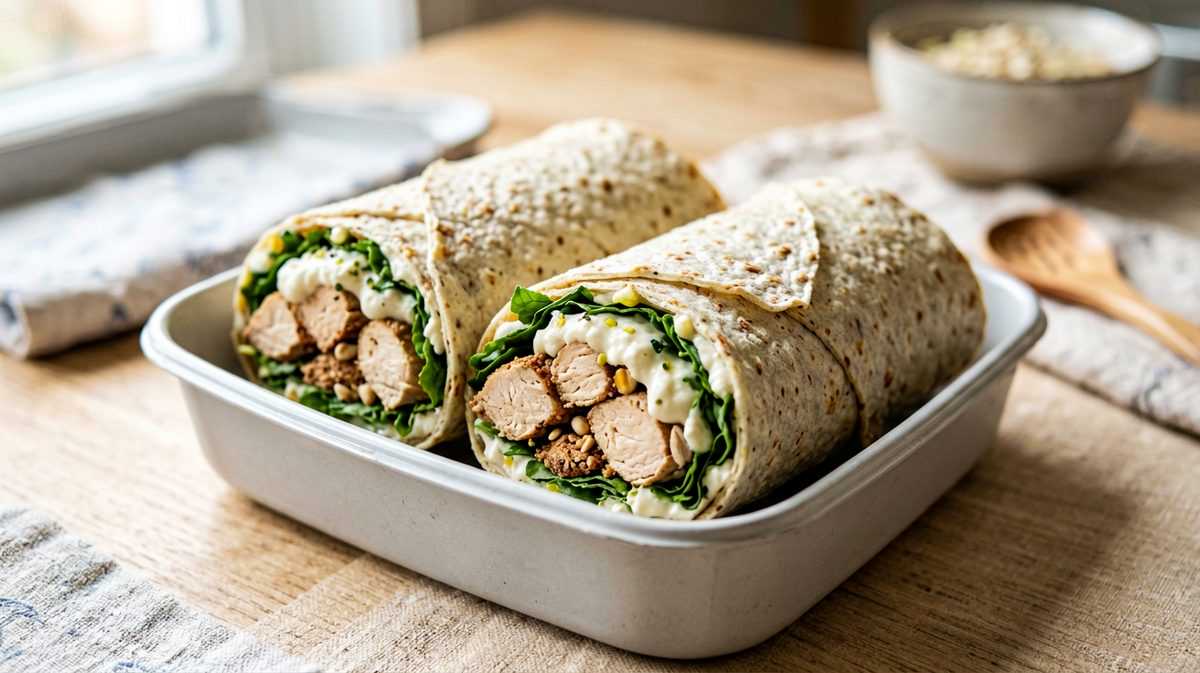
For a packaged ingredient that may appear beside these meals, review the food product guide and check serving size, ingredients, allergens, and storage. The habit transfers directly to sauces, curry pastes, broths, and low carb wraps.
Bottom line
Low carb Asian food recipes become practical when you keep the flavor system and rethink the base. Build around protein, vegetables, aromatics, acid, heat, and measured umami. Try lettuce-wrapped beef, cauliflower rice bowls, cucumber shrimp salad, coconut curry soup, skewers, egg drop soup, cauliflower rolls, or cabbage skillets. Read sauce labels, control sodium, separate fresh and wet components, cool cooked foods promptly, and pack meals for the equipment you actually have. A meal can be lower in carbohydrate while remaining colorful, satisfying, and genuinely enjoyable.