A berry keto smoothie can be a useful snack, breakfast bridge, or post-workout option when the fruit, liquid, and add-ins are measured as a complete combination. The goal is not to make berries disappear from a low-carb eating pattern. It is to choose a portion that fits your day, pair it with ingredients that add protein or fat, and avoid the sweetened syrups, juices, and oversized servings that can turn a small smoothie into a high-sugar drink. This guide explains how to build one that tastes fresh, travels well, and is easy to repeat.
Start with the serving you actually plan to drink. For many people, 1/4 to 1/2 cup of berries is easier to fit than a large handful poured by eye. Raspberries, blackberries, and strawberries are practical choices because their texture blends smoothly and their tartness works with plain dairy or unsweetened plant-based ingredients. Blueberries can also work, but their natural sweetness and carbohydrate contribution make measuring especially useful. If you are tracking carbohydrates for a medical or therapeutic reason, check your own plan with a qualified clinician rather than treating a general recipe as individual advice.
Choose the berry base before you add anything else
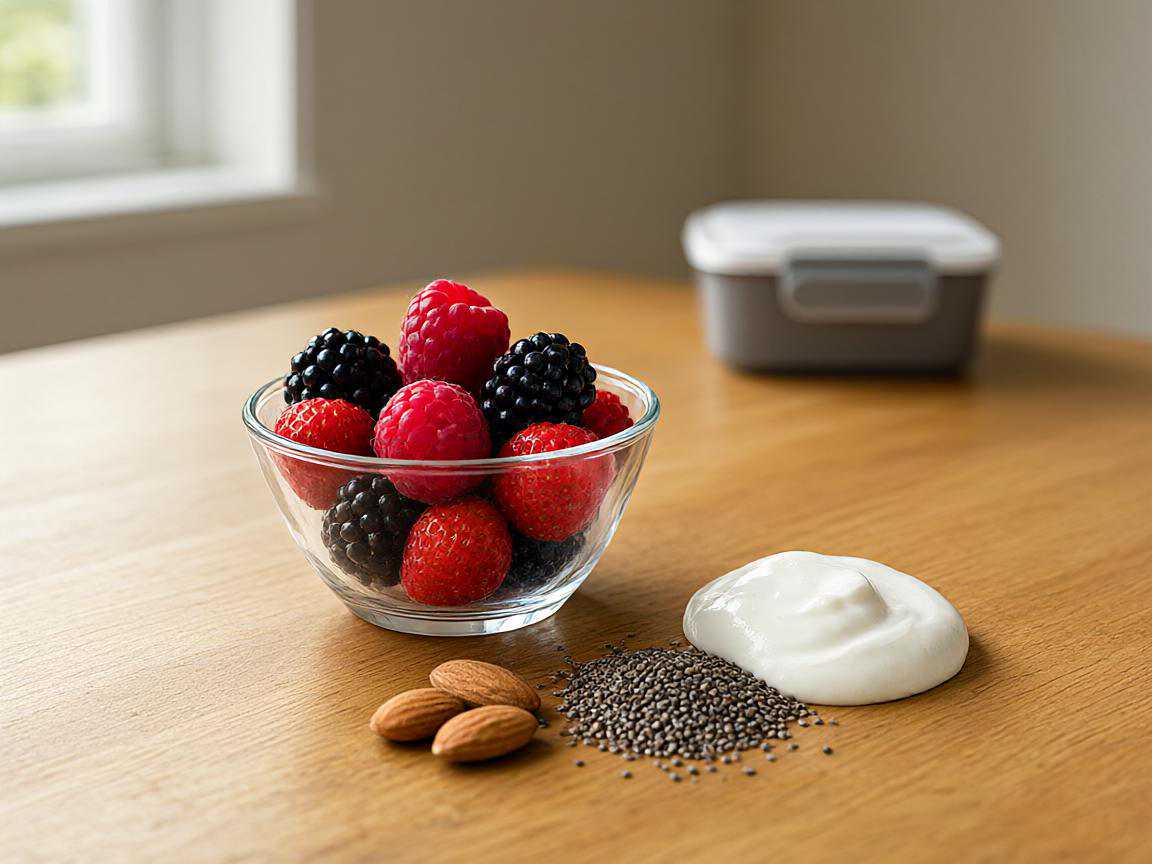
Fresh berries are convenient when they are in season, while frozen berries often make a thicker smoothie without ice. Frozen fruit also gives you a consistent portion if you buy it in a bag and use a measuring cup or kitchen scale. Look for plain frozen berries with no sugar, syrup, juice concentrate, or flavored coating. The ingredient list should be short. A bag that says only “raspberries” or “mixed berries” is easier to evaluate than a sweetened smoothie blend.
Raspberries and blackberries bring seeds that can add a pleasantly rustic texture. If you prefer a very smooth drink, blend longer and strain only if the extra step is worth it to you. Strawberries provide volume and aroma with a lighter color and can be sliced before freezing. Blueberries blend into a deep purple color and may need more acid or spice to keep the flavor lively. A small squeeze of lemon, a pinch of salt, cinnamon, or a few drops of vanilla can make a modest fruit portion taste more complete without adding sugar.
Use the liquid as a label-reading decision
The liquid controls both texture and the final carbohydrate count. Unsweetened almond milk is a common light option, but brands vary, so read the nutrition panel and ingredient list. Unsweetened coconut milk beverage can add a soft flavor, while canned coconut milk makes a richer, heavier smoothie and may separate in the refrigerator. Water can work with yogurt, protein powder, or nut butter when you want the ingredients to supply most of the flavor. Avoid fruit juice, sweetened oat beverages, honey, agave, and “wellness” syrups if the purpose is a low-sugar smoothie.
Do not assume that a product is low in carbohydrate because its front label uses words such as natural, clean, or plant-based. Compare total carbohydrate, added sugar, serving size, and ingredients. Some flavored milks and creamers contain more sugar than the berry portion itself. If you use a protein drink as the liquid, treat it as a packaged food with its own serving size rather than as neutral water. This is one of the easiest ways for a smoothie to become larger or sweeter than intended.
Add protein, fat, and fiber with a purpose
A berry smoothie feels more like a sustaining snack when it has a clear role for protein, fat, or fiber. Plain Greek yogurt can add creaminess and protein; choose unsweetened yogurt and check its label because some products add fruit puree or sugar. Cottage cheese can blend surprisingly smoothly and gives a thicker, more substantial result. If dairy does not fit your routine, an unsweetened soy product may add more protein than a thin nut beverage, but again, brand labels differ.
Protein powder is convenient, but it is not automatically a better choice. Look for a powder whose serving size matches how much you intend to use, and check added sugar, sugar alcohols, gums, flavor systems, and allergens. A scoop can make the smoothie very thick, chalky, or overly sweet, so begin with half a serving and adjust the liquid. If a powder contains a proprietary blend, it may be harder to estimate what you are actually getting. Product choice should support your needs, not simply add another branded ingredient.
Fat can come from chia seeds, ground flaxseed, almond butter, peanut butter, or a small amount of avocado. Use a measured spoon rather than a free pour, especially with nut butter. Chia and flax also change the texture as they sit, which can be useful for a make-ahead smoothie but may make a drink too thick after several hours. If you use avocado, start with a small piece; its mild flavor disappears easily, but too much can make the drink heavy. These add-ins are options, not requirements, and the best combination is one you can digest comfortably and repeat.
A practical formula for one serving
For a starting formula, combine 1/4 to 1/2 cup unsweetened berries, 3/4 cup of an unsweetened liquid or plain yogurt-liquid combination, one protein component, and one optional texture component. Blend the liquid first, then add yogurt or protein powder, berries, and seeds. This order helps the blades move and reduces pockets of dry powder. If using frozen fruit, let the blender run in short pulses before blending continuously. Add ice only when you need more volume or chill and the liquid is already adequate.
The formula is flexible, but each change should have a reason. Add more liquid for a drinkable texture, not to hide a too-large amount of powder. Add more yogurt for body and protein, not simply because the blender is loud. Add lemon or vanilla for flavor before reaching for a sweetener. If a noncaloric sweetener is part of your routine, use a small amount and read the ingredient panel. Some people tolerate sugar alcohols well, while others notice digestive discomfort. A smoothie that tastes slightly tart may be more useful than one that is so sweet it encourages dessert-like portions.
Three balanced berry combinations to test
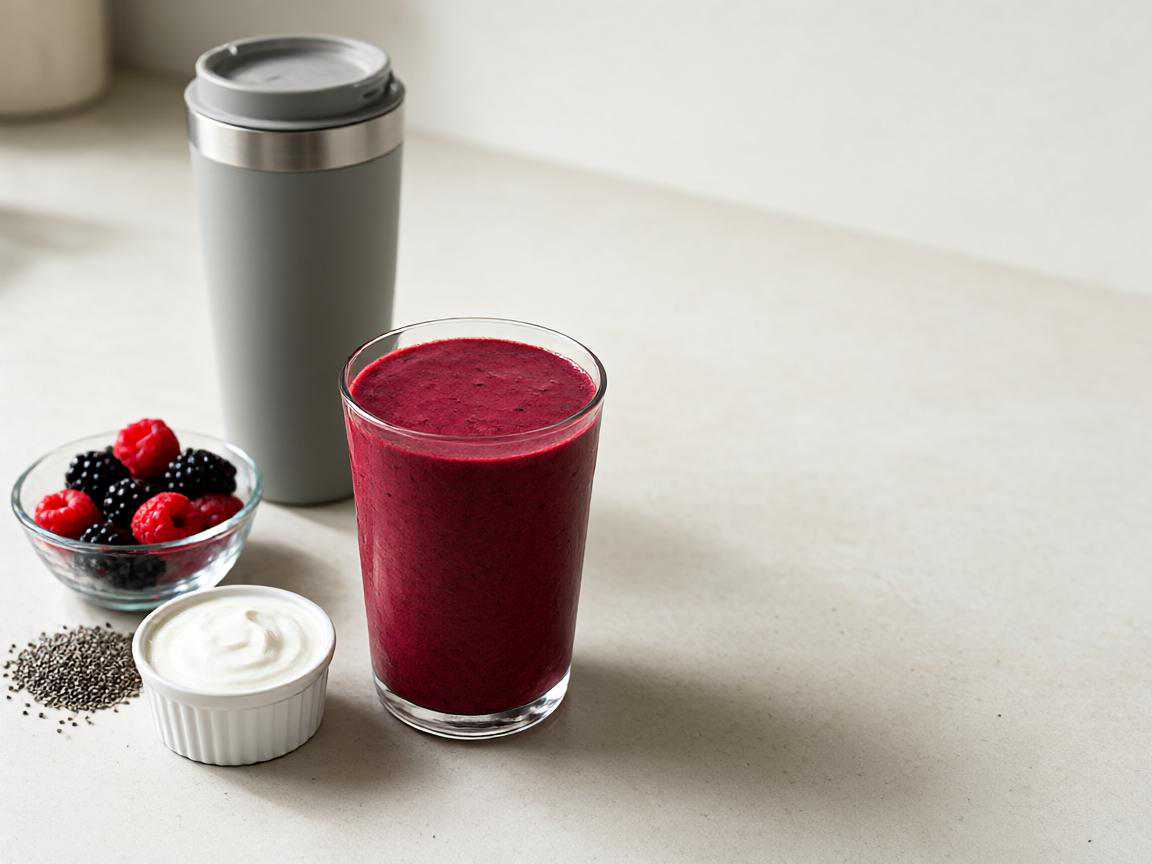
For a bright raspberry version, blend raspberries with plain Greek yogurt, unsweetened almond milk, chia seeds, lemon zest, and a pinch of salt. The lemon lifts the berry flavor, while the yogurt rounds it out. If the seeds bother you, use a finer blend or replace some raspberries with strawberries. This combination works well as a midmorning snack because it tastes fresh without needing syrup.
For a blackberry vanilla version, use blackberries, a neutral protein powder or cottage cheese, unsweetened coconut beverage, vanilla, and ground flax. Blackberries can be more tart than expected, so taste after blending before changing the portion. If the mixture is too thick, add liquid one tablespoon at a time. The flax gives the drink a fuller mouthfeel, but it also becomes thicker if stored, so this version is best consumed soon after blending or packed with a small amount of extra liquid.
For a strawberry cocoa version, use strawberries, plain yogurt, unsweetened milk, cocoa powder without added sugar, and a small spoon of nut butter. Cocoa can taste bitter when used heavily, so begin with one teaspoon. The nut butter adds richness and makes a small fruit portion feel more satisfying. Read the nut butter label for added sugar and avoid products that turn a simple smoothie into a confection. A dusting of cinnamon can provide aroma without changing the core formula.
Blend for texture, not just speed
Texture is part of portion control because a drink that is pleasant to sip is easier to finish slowly. Start at low speed to break up frozen pieces, then increase the speed until the mixture is smooth. Stop and scrape the sides if seeds or powder collect above the blades. A high-powered blender may need less liquid, while a compact personal blender may need more. Do not force a dry mixture by running the motor continuously; add a little liquid and pulse.
For a spoonable smoothie bowl, reduce the liquid and use more frozen berries, but remember that bowl toppings can add carbohydrates quickly. If you use nuts, coconut flakes, granola-style keto products, or chocolate chips, measure them separately. For a thinner drink, add water or unsweetened milk after the main blend. Avoid adding a large quantity of ice as a substitute for food volume. Ice changes texture and temperature, but it does not make a snack more nourishing.
Storage and portability notes
A smoothie is most enjoyable immediately, but a short storage period can work. Pour it into a clean, leak-resistant container with enough headspace for shaking. Keep it cold and use an insulated bag or bottle when you are taking it to work, class, or a car. If the smoothie contains yogurt, dairy, or a protein product, do not leave it warm for an extended period. Follow ordinary food-safety practices and use a refrigerator or ice pack.
Expect separation. Berries, dairy, seeds, and liquid do not remain perfectly blended forever. Shake before drinking, and carry a small spoon if chia or flax has made the mixture pudding-like. If you prepare ingredients the night before, store berries and dry add-ins separately from the liquid and blend in the morning. This method protects texture and gives you a chance to adjust the liquid after seeing how much the seeds have absorbed.
For a portable snack, freeze the berries in single-serving containers, portion the dry add-ins into small jars, and keep the liquid ready in the refrigerator. Label the container with the date and the ingredients if more than one person uses the kitchen. A reusable cup should be washed promptly, especially around the lid and gasket. These small systems make the smoothie more reliable than buying a large café drink whose ingredients and serving size may be uncertain.
Disclosures and label checks
This is an editorial recipe framework, not a promise that every berry smoothie will meet a particular carbohydrate target. Nutrition depends on the exact fruit, liquid, yogurt, protein powder, nut butter, and serving sizes. Product labels can change, and packaged foods can differ by country. Check the current label when you shop. If you have diabetes, kidney disease, food allergies, a history of eating-disorder treatment, or another condition that affects food choices, personalize the formula with a clinician or dietitian.
Pay attention to allergens in dairy, soy, nuts, peanuts, and protein powders. Cross-contact can matter even when the ingredient list looks simple. Unsweetened products may still contain thickeners or flavor ingredients that affect tolerance. If a smoothie causes bloating, heartburn, or other discomfort, simplify it: use fewer ingredients, reduce seeds or sugar alcohols, and test each change separately. A short ingredient list is useful for troubleshooting.
How to fit it into a snack routine
A smoothie does not need to replace every meal or become a daily requirement. It can bridge a long gap, provide a planned snack after exercise, or give you a portable option when solid food is inconvenient. Pair it with your hunger level and the rest of the day. If you are already having a full meal soon, a smaller portion may be enough. If the smoothie is your only food for several hours, consider whether it has enough protein and whether a solid food would be more satisfying.
Use a consistent cup and measuring tools for the first few attempts. After you learn the texture and flavor you like, you may be able to adjust by sight, but it is still helpful to measure high-impact ingredients such as berries, nut butter, protein powder, and sweeteners. Keep a simple note of the combination, the amount, and how long it kept you satisfied. That feedback is more useful than chasing a perfect recipe online.
For more snack planning, browse the Snack Ideas hub for other measured options. If you prepare several portions at once, the Meal Prep hub can help you organize ingredients and storage. For label-focused comparisons, see the food product guide, and for a workday scenario, review office snack planning.
Frequently asked questions
Can I use a full cup of berries? You can, but it changes the carbohydrate contribution and the overall size. If you are aiming for a low-carb snack, start with a smaller measured portion and see whether the flavor and satisfaction are enough. A larger portion may fit some people’s plans and not others.
Are frozen berries better than fresh berries? Neither is automatically better. Frozen berries are convenient, cold, and consistent, while fresh berries can be more aromatic and easier to inspect. Choose plain products without added sugar, and use the form that makes measured portions easiest for you.
What can I use instead of protein powder? Plain Greek yogurt, cottage cheese, or an unsweetened higher-protein milk alternative may work. Compare labels and choose an amount that suits your digestion and eating pattern. You do not need protein powder to make a smoothie, but you do need to account for what the replacement contributes.
How do I keep it from being too sweet? Use tart berries, plain unsweetened ingredients, lemon, vanilla, cinnamon, or a pinch of salt. Avoid stacking sweetened yogurt, sweetened milk, protein powder, and syrup. Taste the base before adding any optional sweetener.
Can I prepare it the night before? Yes, for a short refrigerated period, but expect separation and thickening. Shake before drinking and keep it cold. For the best texture, portion the berries and dry add-ins in advance and blend with the liquid in the morning.
The most dependable berry keto smoothie is the one with a measured fruit portion, an unsweetened liquid, a purposeful protein or fat component, and a label you have actually checked. Keep the formula simple enough to repeat, adjust texture gradually, and treat portability and food safety as part of the recipe. With those habits, berries can add color and flavor to a practical snack without relying on oversized servings or hidden sweeteners.