Low carb berry choices can add color, acidity, and a naturally sweet flavor to a reduced-carbohydrate eating pattern without turning every snack into a dessert. Berries are not carbohydrate-free, and the amount that fits depends on the type of berry, the serving size, and what else is in the bowl. The most useful approach is to choose the fruit deliberately, measure a practical portion, and pair it with protein, fat, or fiber so the snack feels complete.
This guide compares common berries, explains how fresh and frozen fruit differ, shows how to read labels on dried and packaged products, and gives practical ideas for yogurt bowls, chia cups, smoothies, salads, and portable snack boxes. It also covers storage and food safety. The phrase low carb should describe the complete serving, not just the ingredient name. If you track carbohydrate for a medical reason, use the nutrition information from the exact products you buy and follow your own professional guidance. This is general food information, not individualized medical advice.
What counts as a low carb berry?
Most berries contain less carbohydrate per typical serving than many tropical fruits, grapes, or dried fruit. That does not make every berry portion interchangeable. Raspberries and blackberries are often useful because they provide a relatively high amount of fiber for their size. Strawberries are larger and mild, so a few sliced berries can cover more visual space. Blueberries are flavorful and convenient, but their carbohydrate can add up quickly because people tend to pour them rather than count them.
Net-carb calculations also vary by method. Some people subtract fiber, while others track total carbohydrate. Products such as sweetened yogurt, granola, berry jam, and frozen smoothie blends can add sugar beyond the berries themselves. Decide which calculation fits your plan, then keep the serving consistent enough that the estimate remains useful.
Comparing common berries
Raspberries
Raspberries have a tart flavor and a delicate texture. They work well with plain Greek yogurt, cottage cheese, chia pudding, or whipped cream. Because they are fragile, inspect them before storing and remove any moldy or crushed pieces. Raspberries can be frozen in a single layer and transferred to a sealed container for smoothies or sauces.
Blackberries
Blackberries are juicy and slightly earthy. Their seeds provide texture, which can make a small portion feel more substantial. Use them in a bowl with nuts or seeds, or fold them into a chilled cream-based snack. They can stain containers, so use a leakproof cup when packing them for work or travel.
Strawberries
Strawberries have a larger volume per piece, which can make a measured serving look generous. Slice them just before serving if you want a fresh texture. Wash them only when you are ready to use them unless you dry them thoroughly, because excess moisture can speed spoilage. A few slices pair well with unsweetened yogurt and cinnamon.
Blueberries
Blueberries are easy to carry and hold their shape, but they are also easy to overpour. Use a small bowl, measuring cup, or snack container instead of eating from the full carton. Frozen blueberries are convenient for smoothies, but they can make a drink sweeter and denser than expected when combined with other fruit.
Cranberries
Fresh cranberries are tart and usually need cooking or another flavor component. Dried cranberries are a different product and are commonly sweetened with sugar. Check the label carefully. A small amount of unsweetened fresh cranberry can work in a savory relish, but sweetened dried fruit should not be treated as the same food.
Fresh, frozen, and dried berries
Fresh berries are useful when you want a crisp texture and simple ingredient list. Choose fruit that is firm, colorful, and free from mold. Store it in the refrigerator and use delicate berries first. Do not seal wet fruit in a container with no airflow. A paper towel can absorb excess moisture, but replace it if it becomes damp.
Frozen berries can be picked and stored at peak ripeness, and they are convenient for smoothies, chia cups, sauces, and quick desserts. Choose plain frozen fruit with no added sugar or syrup. Frozen berries often release water as they thaw, so drain them before adding them to yogurt if you do not want a thin bowl. If you use them in a smoothie, remember that the liquid and other ingredients count toward the complete serving.
Dried berries are concentrated. Removing water makes it easy to consume the sugar and carbohydrate of many fresh berries in a much smaller volume. Dried cranberries, blueberries, and cherries often contain added sugar. Read the ingredient list, serving size, and total carbohydrate. If a dried product is sweetened, it is not interchangeable with fresh or frozen fruit.
How to build a balanced low carb berry snack
A berry snack usually works better when it has a second component. Plain Greek yogurt, cottage cheese, eggs, cheese, nuts, seeds, or a measured protein food can add staying power. A small amount of fat can soften the tartness, while chia or ground flax can add texture. The right pairing depends on your appetite and plan.
Start with a measured berry portion. Add protein next, then choose one texture element such as chopped walnuts, pumpkin seeds, chia, or unsweetened coconut. Use cinnamon, vanilla, lemon zest, or a pinch of salt for flavor before reaching for a sweetener. If you add sweetener, check the product for fillers and count the portion that fits your plan.
Keep the bowl simple when the berries are the main flavor. A large list of toppings can turn a modest snack into a high-energy dessert. Clear portions are especially helpful when the goal is weight management. The snack should be satisfying enough to repeat, not so elaborate that it becomes difficult to estimate.
Six practical low carb berry ideas
1. Greek yogurt berry cup
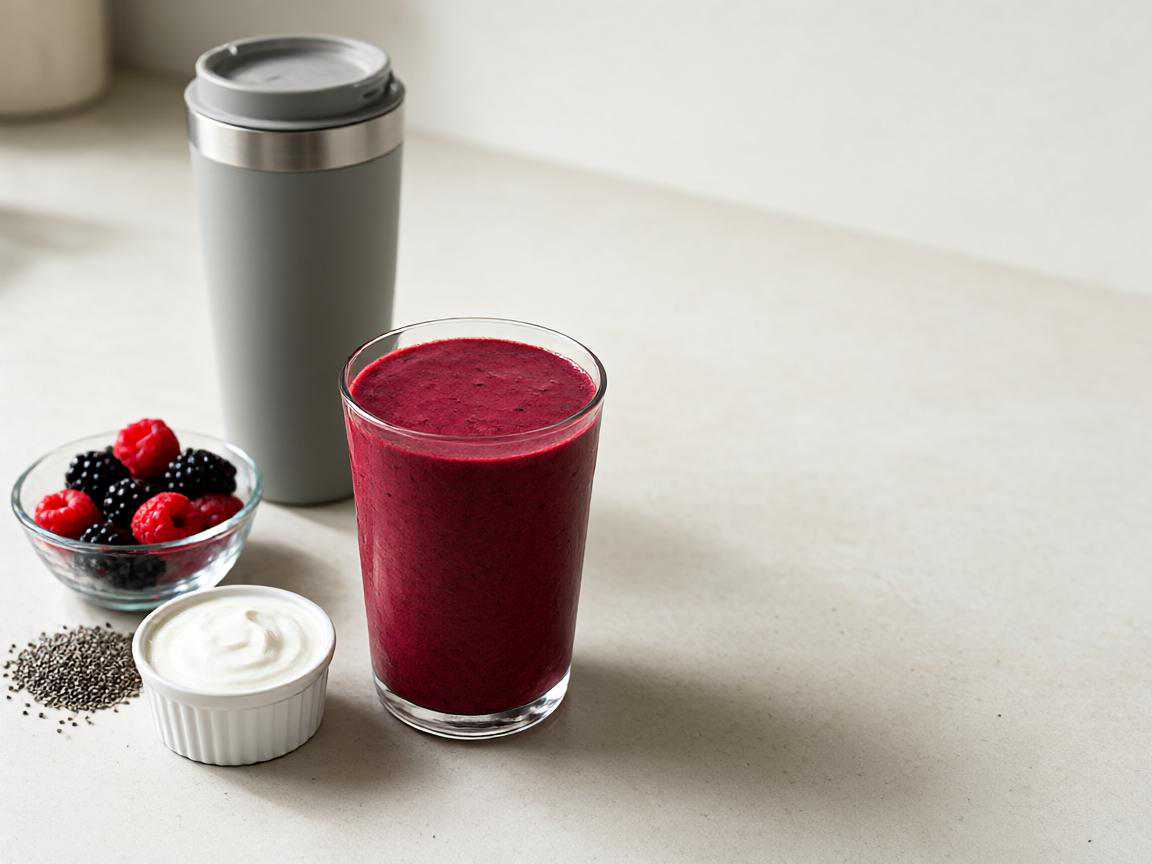
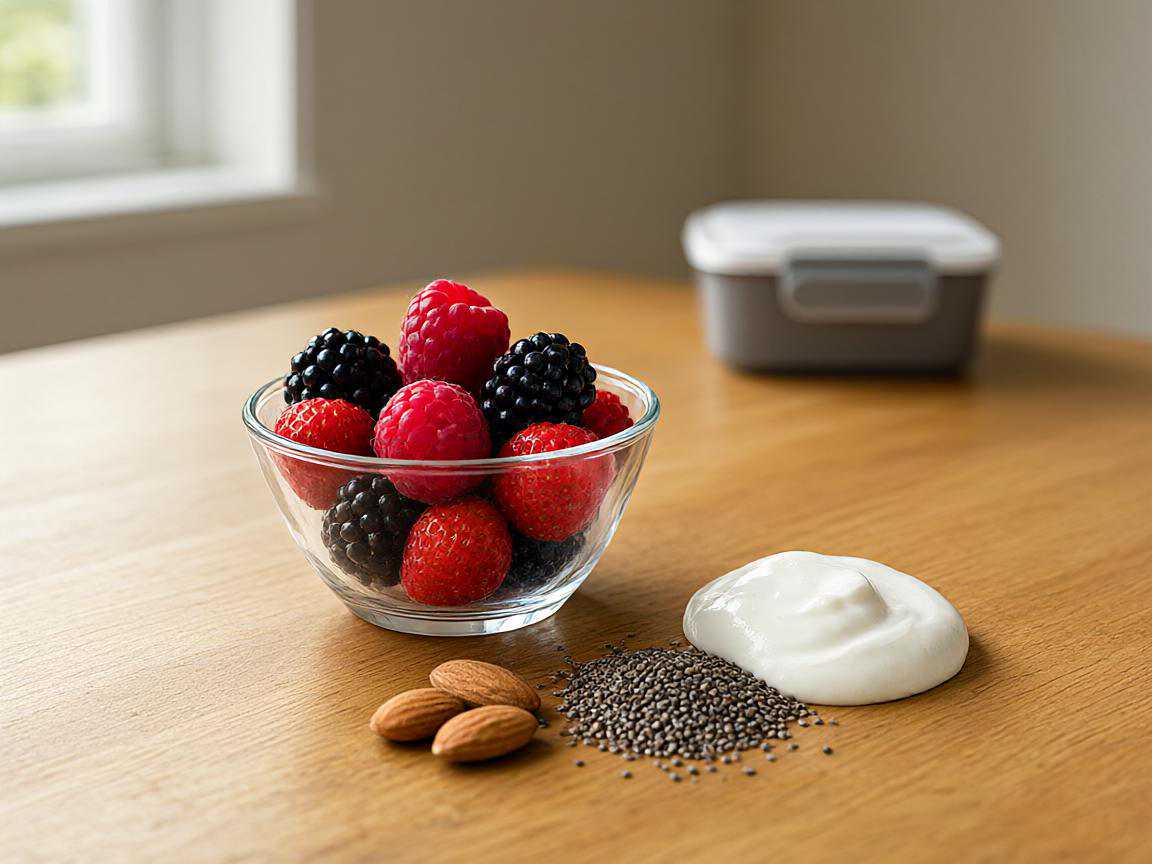
Add a measured portion of raspberries, blackberries, or strawberries to plain Greek yogurt. Stir in cinnamon and a teaspoon of chia seeds. If the yogurt is sour, use vanilla extract or lemon zest rather than automatically adding syrup. Check the yogurt label for added sugar. Flavored yogurt can contain more sugar than the berries themselves.
2. Cottage cheese and berries
Combine cottage cheese with sliced strawberries or a few blackberries. Add cracked pepper or fresh herbs if you prefer a savory direction. Cottage cheese labels vary in carbohydrate and sodium, so compare brands. This snack can be packed in a chilled container and eaten with a spoon.
3. Berry chia cup
Stir chia seeds into unsweetened almond milk, coconut milk, or another liquid that fits your plan. Chill until thick, then fold in thawed raspberries or a small amount of mashed strawberries. The berries provide acidity and color, while chia creates a spoonable texture. Prepare the cup the night before and keep it refrigerated.
4. Berry and nut snack box
Pack a small portion of berries with cheese cubes, almonds, or pumpkin seeds. Keep wet fruit in a separate compartment if you want the nuts to stay crisp. A snack box makes the serving visible and prevents the carton from becoming the portion. For more protein-and-produce combinations, visit the snack ideas hub.
5. Frozen berry smoothie
Blend frozen berries with plain yogurt, water, ice, or an unsweetened milk alternative. Use one main fruit rather than combining several fruits automatically. Add spinach, chia, or a measured protein ingredient if it fits your routine. A smoothie can be consumed quickly, so keep the portion smaller than a large glass unless you have calculated the complete recipe.
6. Warm berry sauce
Simmer frozen raspberries or blackberries with a tablespoon of water, lemon juice, and cinnamon. Mash lightly and use the sauce over Greek yogurt or a low-carb dessert. Do not assume that homemade sauce is unlimited. The berry amount still counts, and reducing the liquid concentrates the flavor.
Berry labels and packaged products
Fresh berries have no ingredient list, but packaged berry foods do. Read labels on yogurt, smoothies, jams, sauces, protein bars, dried fruit, and frozen desserts. Look for sugar, cane syrup, glucose, fructose, fruit concentrate, honey, dates, and maltodextrin. “No added sugar” can still mean the product contains naturally concentrated fruit or a larger serving of carbohydrate.
Check the serving size before comparing products. A berry spread may list one tablespoon, while a person may use several tablespoons. A smoothie bottle can list half the bottle as one serving. Compare the amount you actually plan to eat with the listed serving. If the package has several servings, divide it before eating when possible.
Sweeteners and sugar alcohols can affect people differently. A product that fits one person’s calculation may cause digestive discomfort for another. Check the ingredient order and the nutrition panel together. Claims on the front of the package are a starting point, not a complete nutrition analysis.
The same label habits are useful for other convenience foods. Our 92nd keto bread guide shows why a serving-size check is more useful than relying on a single front-of-package claim.
Berries for meal prep
Plan berry snacks for two or three days rather than washing a large supply and leaving it wet for a week. Portion fresh berries into small containers and add a dry ingredient such as nuts only when you are ready to eat. If you prepare yogurt cups in advance, keep them cold and use a leakproof lid.
Frozen berries can be divided into smoothie bags with measured portions. Add spinach or chia to the bag if those ingredients remain dry, but add yogurt or liquid only when blending. Label each bag with the fruit type and amount so you do not lose track of the calculation.
Berry sauces and chia cups should be stored in the refrigerator. Use clean utensils and do not return leftovers from a serving bowl to the main batch. The meal-prep hub can help you organize batch portions, refrigeration, and container labels.
Portability for work and travel
Choose firm berries when you need to carry them. Blueberries and strawberries usually tolerate transport better than raspberries, although any fruit can bruise when packed under heavy food. Use a rigid container with a tight lid and keep the fruit cold with an insulated bag and frozen pack.
For a workday snack, pack berries with cheese, yogurt, or nuts. Keep wet ingredients separate if you want a clean texture. If refrigeration is unavailable, do not leave yogurt or cut fruit warm for an extended period. Use a chilled container or choose a shelf-stable protein companion that fits your plan.
Travel portions should be prepared before leaving rather than assembled from a large carton. A small cup makes the amount visible. The office snacks guide includes more ideas for portable food that can be separated into clear portions.
Berry nutrition decisions for weight management
Berries can fit a weight-management routine, but the toppings and portion size still matter. A bowl of fruit with sweetened yogurt, granola, nut butter, and syrup can become energy-dense even when the fruit itself is a sensible choice. If the goal is a lighter snack, use plain yogurt, a measured amount of nuts, and a bright spice or citrus zest for flavor.
Fiber can support fullness, but it is not a reason to ignore total carbohydrate or calories. Pay attention to hunger and portion satisfaction. Some people prefer berries after a meal, while others find a small berry-and-protein snack helpful in the afternoon. There is no universal best time. The most useful schedule is the one that reduces unplanned grazing and is easy to repeat.
If berries trigger digestive discomfort, reduce the portion, try a different type, or choose cooked fruit. Seeds in raspberries and blackberries may not suit everyone. A food journal can help you notice patterns, but it should not replace medical guidance for allergies, gastrointestinal conditions, or blood-glucose management.
Common mistakes
- Eating from the carton: pour a measured portion into a bowl or container.
- Confusing dried and fresh fruit: dried berries are concentrated and often sweetened.
- Choosing flavored yogurt automatically: inspect added sugar and serving size.
- Combining several fruits without calculating: each fruit contributes to the total.
- Adding granola by habit: many granolas contain oats, sugar, syrup, or dried fruit.
- Washing berries without drying them: excess moisture speeds spoilage.
- Using a large smoothie glass: liquid calories and fruit can be consumed quickly.
- Leaving yogurt or cut fruit warm: use cold storage for portable snacks.
Frequently asked questions
Which berry is lowest carb?
Raspberries and blackberries are often chosen for their fiber and tart flavor, but the answer depends on the serving and your calculation method. Strawberries can also fit well because a few slices provide a generous visual portion. Blueberries are useful but should be measured because they are easy to overpour.
Can I eat berries every day on keto?
Some people can include a measured portion daily, while others have a tighter carbohydrate target. The complete serving matters, including yogurt, nuts, cream, sauces, and sweeteners. Use the portion that fits your plan rather than assuming a food is unlimited.
Are frozen berries as healthy as fresh?
Plain frozen berries can be a practical alternative to fresh fruit. They are convenient and often retain good flavor. Check that the bag contains fruit only, with no syrup or added sugar. Thawing changes the texture, but it does not make the fruit automatically less useful.
Are dried cranberries low carb?
Many dried cranberries are sweetened with sugar. Read the label and compare the serving size. Unsweetened dried cranberries may be very tart and still concentrated, so they should not be eaten by the handful without calculation.
Can I add berries to a protein shake?
Yes. Use a measured amount of berries, an unsweetened liquid, and a protein ingredient that fits your plan. Avoid stacking berries with banana, dates, juice, and sweetened powders unless you have calculated the complete drink. Blend only what you plan to consume.
How should I store washed berries?
Dry them thoroughly, remove damaged pieces, and store them in a breathable container lined with a dry paper towel. Refrigerate delicate berries and use them promptly. If mold appears, discard the affected container rather than picking out one piece and assuming the rest are safe.
Final checklist
A useful low carb berry routine is based on five decisions: choose a berry type, measure the portion, pair it with a satisfying food, read the labels on packaged companions, and keep the snack cold when it travels. Fresh raspberries, blackberries, strawberries, and blueberries can all fit in different amounts. Plain frozen berries can make meal prep easier, while dried berries require extra caution because the fruit is concentrated.
Keep the recipe or snack simple enough to repeat. A small yogurt cup, a berry-and-cheese box, a chia cup, or a measured smoothie can provide sweetness without turning into an untracked dessert. The Smart Snack Fuel snack ideas hub has more practical combinations built around visible portions and straightforward ingredients.