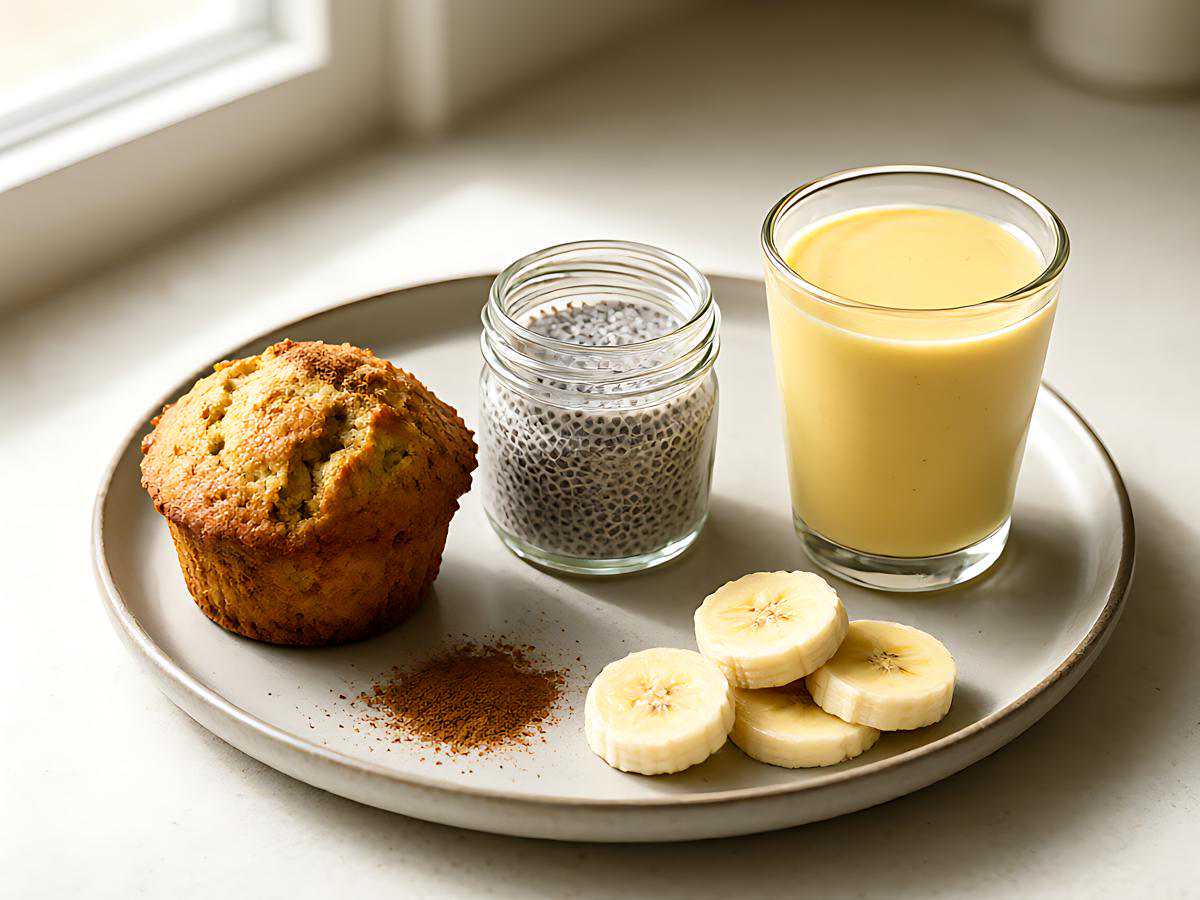
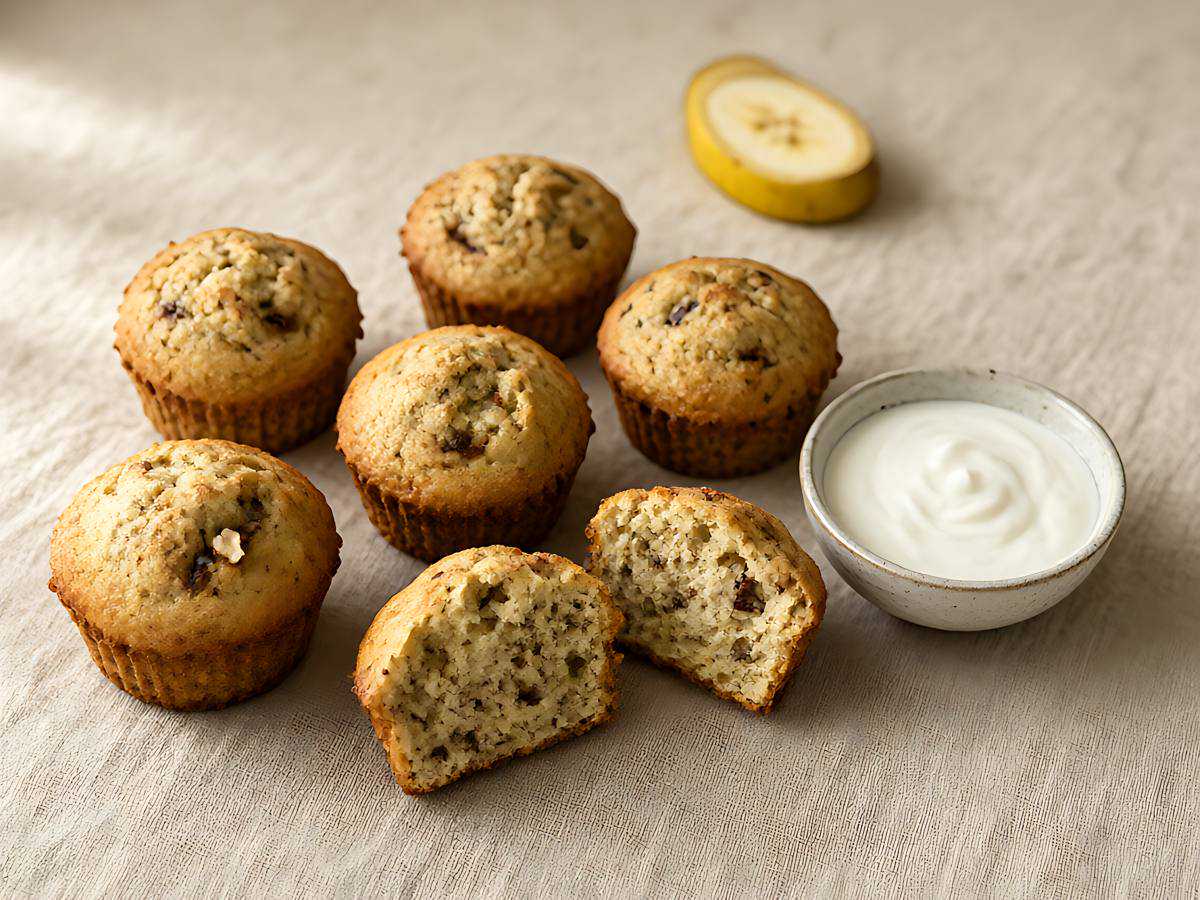
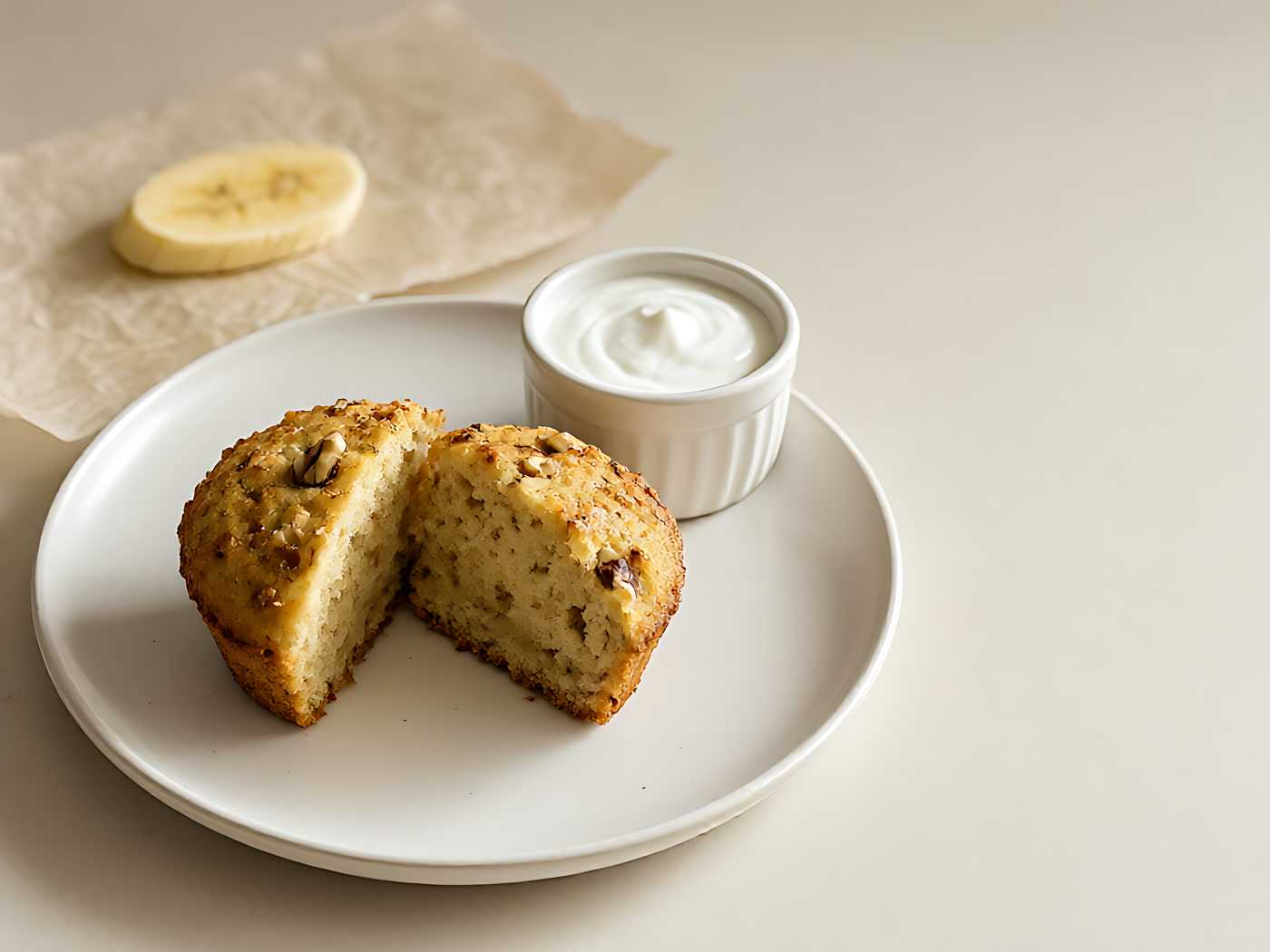
Low carb banana pancakes can be a useful weekend breakfast or snack when you want the aroma of banana without building the batter around several bananas, wheat flour, and sugar. This recipe uses a small measured portion of mashed banana, then adds banana extract, cinnamon, vanilla, and almond flour to keep the flavor recognizable. The pancakes are small by design, which makes them easier to cook through, portion, store, and pair with protein.
A ripe banana is not carbohydrate-free, so the word low carb describes the overall formula rather than the absence of carbohydrate. Use a kitchen scale for the fruit and calculate the nutrition from the labels of your actual ingredients. If you track carbohydrate for a medical reason, apply your own plan and professional guidance. This is a general food guide, not individualized medical advice.
Why the batter needs a different approach
Traditional banana pancakes often use a whole banana for every serving, plus flour and sweet toppings. Almond flour behaves differently from wheat flour: it browns quickly, remains tender, and needs enough egg to hold the pancake together. A tablespoon of coconut flour helps absorb liquid, but too much will make the pancakes dry. The small amount of banana contributes moisture and a little natural sweetness, while banana extract adds aroma without adding a large amount of fruit.
The batter is thick enough to form small pancakes rather than wide, fragile ones. Smaller pancakes cook more evenly and are easier to flip with a thin spatula. They also create a clear portion boundary. You can serve two or three with plain yogurt, cottage cheese, or eggs instead of eating directly from a large stack.
Ingredients for about ten small pancakes
- 1/4 cup mashed ripe banana, approximately 55 to 65 grams
- 1 cup finely ground blanched almond flour
- 1 tablespoon coconut flour
- 2 large eggs
- 2 tablespoons unsweetened almond milk or another milk that fits your plan
- 1 tablespoon melted butter or avocado oil, plus more for the pan if needed
- 1 teaspoon banana extract with no added sugar
- 1 teaspoon vanilla extract
- 1 teaspoon ground cinnamon
- 1/4 teaspoon baking powder
- 1/4 teaspoon fine salt
- 1 tablespoon granulated sweetener, optional
- 2 tablespoons finely chopped walnuts or pecans, optional
You will need a nonstick or well-seasoned skillet, a small scoop or tablespoon measure, a bowl, a whisk, and a thin spatula. Use medium-low heat. Almond flour pancakes often brown faster than their centers cook, so the pan temperature matters more than trying to rush the batch.
How to make the pancakes
1. Measure the banana
Weigh 55 to 65 grams of peeled banana and mash it until nearly smooth. Stir in the banana extract and vanilla. A few small pieces are acceptable, but large chunks can make a pancake split when you flip it. Measuring the fruit keeps the batter more consistent and makes nutrition calculations more useful.
2. Combine the dry ingredients
Whisk the almond flour, coconut flour, cinnamon, baking powder, and salt in a bowl. If you are using sweetener, include it here. Breaking up lumps now prevents dry pockets later. Finely ground almond flour usually produces the smoothest batter, while almond meal gives a more textured pancake.
3. Add the wet ingredients
Whisk the eggs, milk, and melted butter or oil in a second bowl. Add the banana mixture and whisk until the liquids are evenly blended. Pour the wet mixture into the dry ingredients and stir with a spatula until no dry streaks remain. The batter should be thick. Let it rest for five minutes so the coconut flour can absorb moisture.
4. Check the batter
After resting, the batter should slowly fall from a spoon. If it is too stiff to scoop, add one teaspoon of milk at a time. If it is runny, allow another two minutes of resting before adding flour. Avoid adding a large amount of extra liquid because it can make the centers difficult to cook.
5. Cook small rounds
Warm the skillet over medium-low heat and lightly grease it. Drop about two tablespoons of batter for each pancake. Keep the rounds small, leaving space between them. Cook until the surface shows bubbles and the edges look set, usually two to three minutes. Flip gently and cook the second side for another one to two minutes. Lower the heat if the first side becomes dark before the center firms.
6. Hold and serve
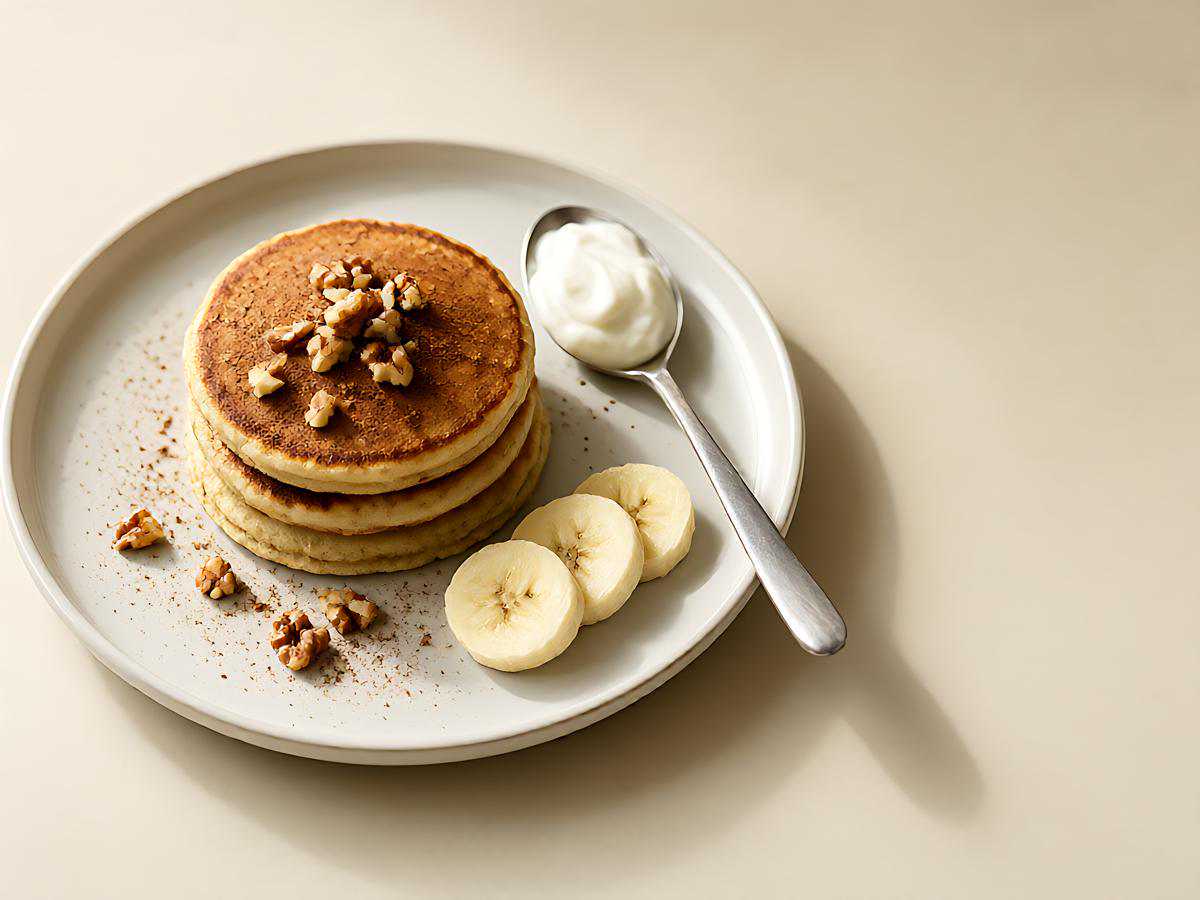
Move cooked pancakes to a plate or a rack rather than stacking them immediately. A rack helps prevent steam from softening the bottoms. If you need to hold the batch, keep it in a low oven for a short time and avoid drying it out. Serve with a measured topping, not an open bottle of syrup.
Texture troubleshooting
If the pancakes break when flipped, the rounds may be too large, the batter may be too wet, or the first side may not be set. Make smaller pancakes and wait until the edges look dry before turning them. A thin spatula that slides fully under the pancake helps. Do not press the pancake down while it cooks because that can make the center dense.
If the pancakes are dry, the skillet may be too hot or the batter may contain too much coconut flour. Almond flour browns quickly, so medium-low heat is safer than high heat. If the pancakes are pale and soft, the pan may be too cool or the batter may be overly thick. Adjust heat gradually rather than making a large change.
Toppings that keep the meal practical
Plain yogurt and cinnamon
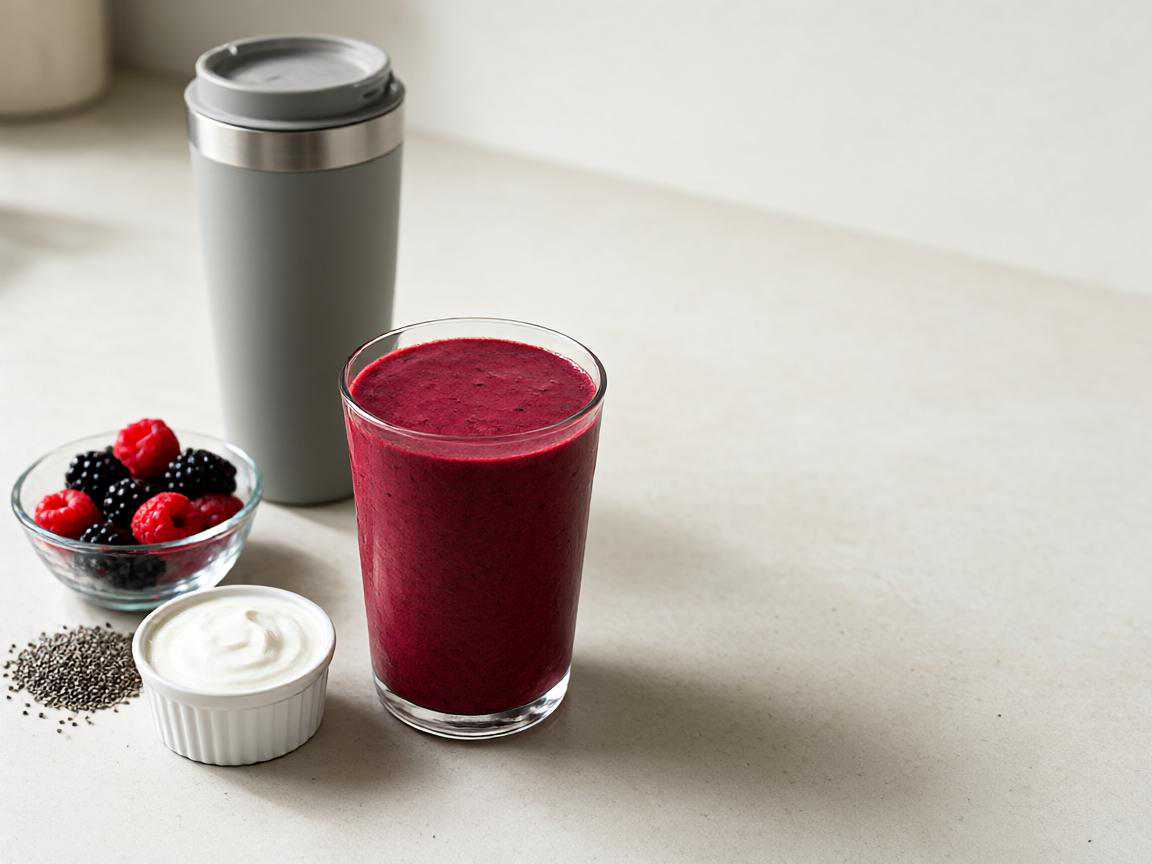
Use a spoonful of plain unsweetened Greek yogurt with cinnamon. The tang balances the banana aroma and adds protein, but check the label for added sugar. If your yogurt is thin, drain it briefly so it does not soak the pancakes.
Warm berries in a small portion
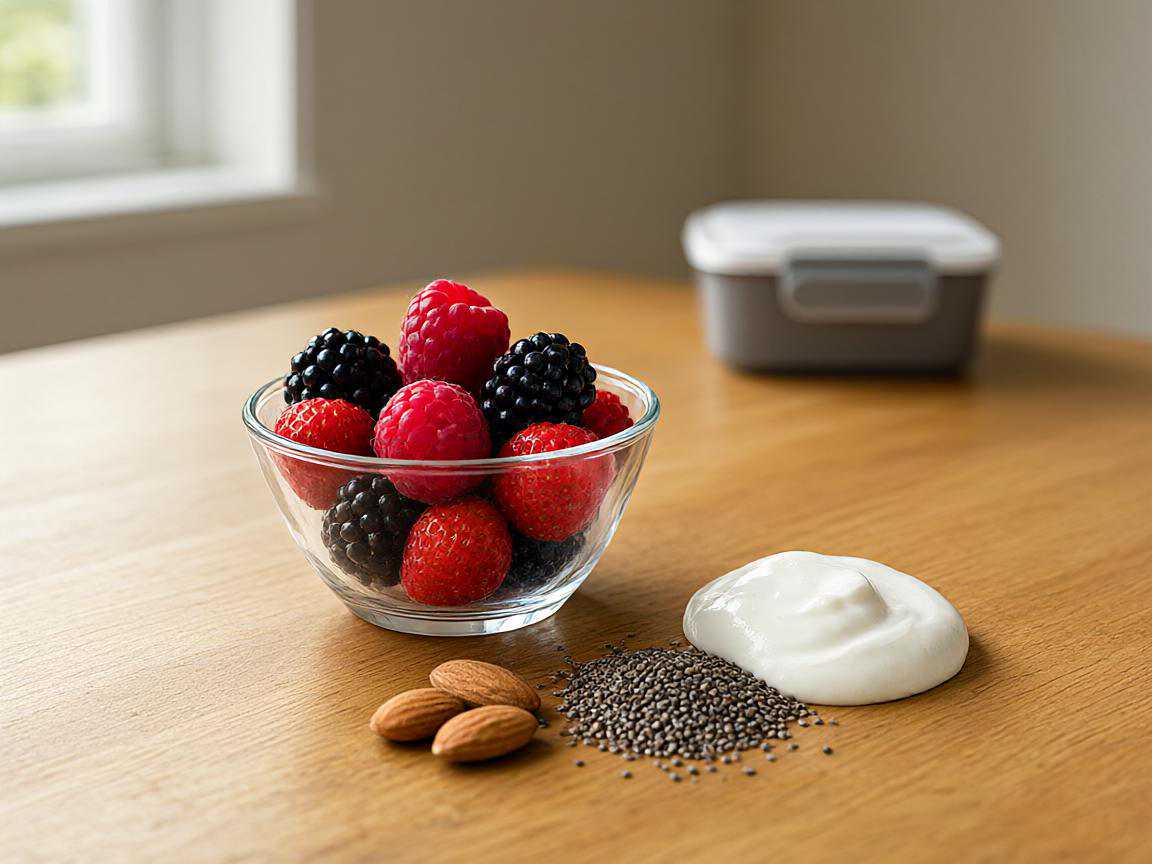
A few berries can provide color and acidity if they fit your carbohydrate target. Warm them in a small pan without syrup until they soften slightly. Measure the portion rather than treating fruit as a free topping.
Nut butter
Use a measured teaspoon of unsweetened almond or peanut butter. Nut butter is flavorful and satisfying, but a generous spoonful adds energy quickly. Check the ingredient list for added sugar or sweetened oils.
Savory pairing
Serve two small pancakes beside a boiled egg or a little cottage cheese. The savory pairing reduces the need for a very sweet topping and turns the pancakes into a more balanced breakfast for some people. Whether it fits your plan depends on your individual targets.
Label and carbohydrate checks
Count the banana, almond flour, coconut flour, milk, sweetener, nuts, and toppings. The pancake base and the topping have separate totals, so calculate them separately when possible. If you make ten pancakes, divide the base recipe by ten. If you make eight larger pancakes, each one contains more of the total recipe.
Read almond milk and sweetener labels. Some products contain sugar, rice ingredients, maltodextrin, or starch. “Unsweetened” is useful information, but the nutrition panel still matters. Sugar alcohols may affect digestion, and different sweeteners behave differently in a hot skillet. Banana extract is typically used in a small amount, but formulations vary, so check the ingredient list.
Almond flour brands vary in serving size and fiber, so use the product you bought. If you are comparing the pancakes with a packaged bread, our 92nd keto bread guide explains a practical way to review serving size, ingredient order, and fiber language.
Make-ahead and storage
Cool the pancakes completely before storing them. Place parchment between layers and refrigerate them in a sealed container for up to three days. Reheat them in a skillet, toaster oven, or microwave. A skillet restores some surface texture, while a microwave is faster but softer.
For freezing, arrange cooled pancakes in a single layer until firm, then stack them with parchment and transfer them to a labeled freezer bag. Use them within about two months. Reheat from frozen at a low setting or thaw overnight in the refrigerator. Do not freeze them with yogurt or fresh toppings already added.
For an office or travel container, pack two or three pancakes with a separate topping cup. Include a cold pack if the toppings or egg pairing need refrigeration. The office snacks guide has more ideas for portioning foods when you have no kitchen. Do not leave moist pancakes in a hot car for an entire day.
How this fits a batch-cooking routine
Make the batter while the skillet heats, then cook all the pancakes in a single session. Let the first few pancakes guide the heat for the rest of the batch. Once cooled, keep the next day’s portions in the refrigerator and freeze the remainder. The meal-prep hub can help you organize labels, cooling times, and freezer portions.
Keep toppings separate. Yogurt can make the pancakes soggy, berries can release liquid, and nut butter can become messy when packed directly on the stack. A small container for toppings makes the texture easier to control and shows how much you are using.
Common mistakes
- Using a whole banana without recalculating: the batter becomes wetter and the carbohydrate total rises.
- Cooking over high heat: almond flour browns quickly while the center remains soft.
- Making oversized pancakes: large rounds are difficult to flip and tend to break.
- Skipping the batter rest: coconut flour needs time to absorb liquid.
- Adding syrup by habit: a pour can contribute more sugar than the pancake base.
- Stacking while steaming: trapped moisture softens the bottoms.
- Ignoring topping labels: sweetened yogurt, nut butter, and milk can change the recipe total.
Flavor variations
For a cinnamon-pecan version, use pecans and add a pinch of extra cinnamon. For chocolate flavor, replace one tablespoon of almond flour with unsweetened cocoa powder and check the finished pancake before adding more sweetener. For a lemon version, add lemon zest rather than juice so you get brightness without extra liquid. If you want more banana aroma, increase the extract slightly but stay within the product’s suggested use.
These pancakes can also be served as a snack plate. Cut each pancake into quarters, add a little plain yogurt, and pair with a protein item. The snack ideas hub includes other ways to build a portion around protein, produce, and a satisfying baked or cooked component.
Frequently asked questions
Can I use coconut flour instead of almond flour?
Not as a one-to-one replacement. Coconut flour absorbs much more liquid and requires a different egg and milk balance. Use a tested coconut-flour pancake formula if you need to avoid almonds. Direct substitution will usually create dry, fragile pancakes.
Why did the pancakes taste eggy?
A small batch with two eggs can taste eggy if the pancakes are underseasoned or undercooked. Cinnamon, vanilla, banana extract, and salt help balance the flavor. Cook the pancakes until the center is set and use a measured fruit portion for aroma.
Can I use a full banana?
You can, but it is no longer the same lower-carb formula. The batter will be wetter and sweeter, and the carbohydrate total will be higher. Recalculate the recipe and expect to adjust the dry ingredients or cooking time.
Can I make waffles with this batter?
Possibly, but waffle irons vary and the batter may need more fat or liquid to release cleanly. Start with a tested small amount, grease the iron, and cook until steam decreases. The texture will be different from a skillet pancake.
Are these pancakes suitable for every keto diet?
No. People have different carbohydrate targets, allergies, digestion, medications, and professional nutrition advice. A small banana portion may fit one plan and not another. Use your own targets when deciding whether the recipe belongs in your routine.
This low carb banana pancakes recipe works best when the fruit is measured, the pancakes stay small, the heat remains moderate, and the toppings are intentional. Use banana extract for aroma, read the labels on packaged ingredients, cool the batch before storing, and pair the pancakes with a food that makes the serving satisfying for your day.