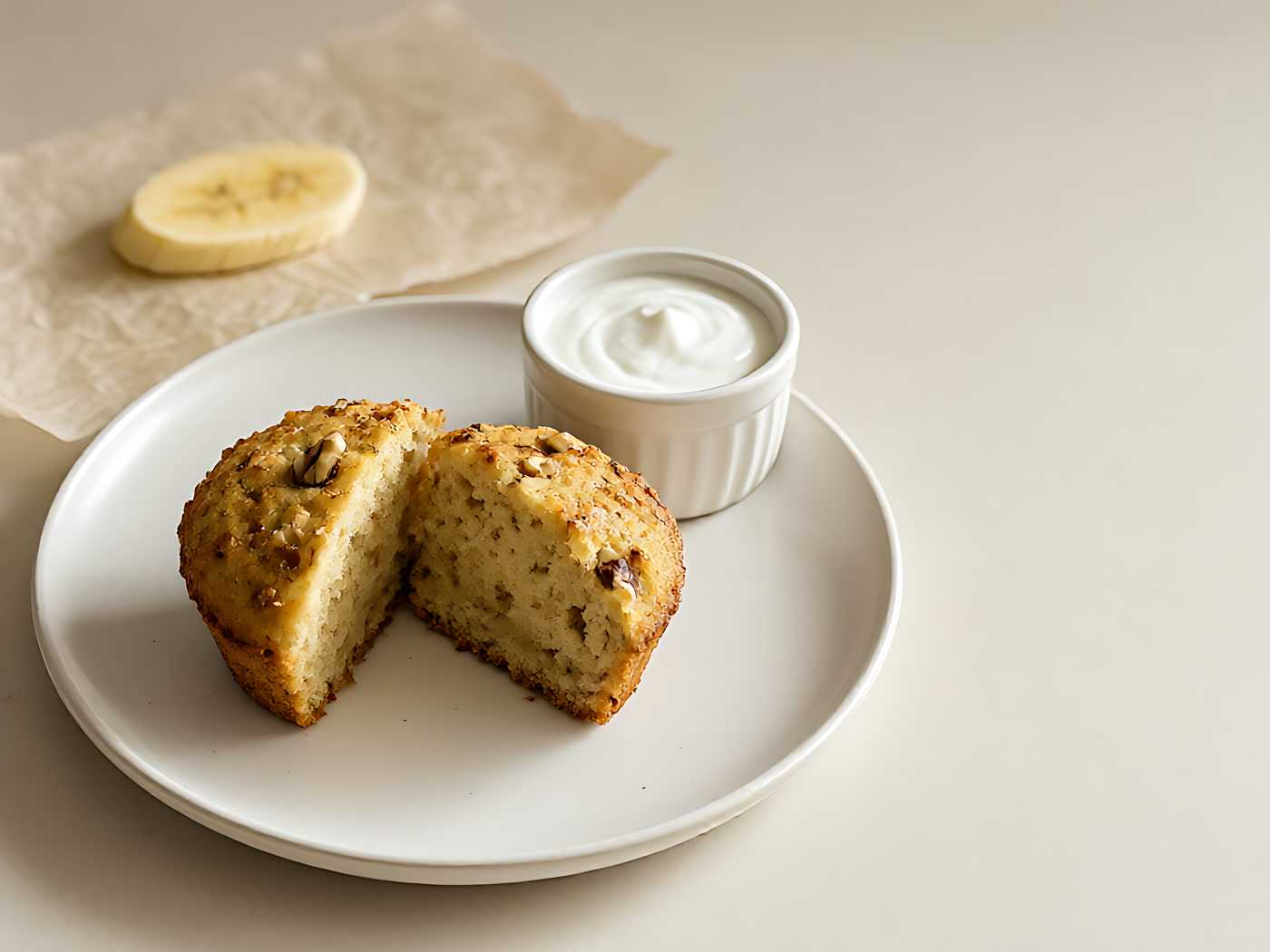
Low carb recipes with bananas require a little more planning than a typical banana dessert because the fruit contributes natural sugar and carbohydrate. The practical answer is not to pretend bananas are free of carbohydrate. Instead, use a measured portion where it adds the most flavor, then use banana extract, cinnamon, vanilla, nuts, and unsweetened ingredients to extend the banana experience. This guide gives several ways to use that approach, from a small baked snack to chia pudding, a smoothie, pancakes, and a frozen treat.
Each idea is designed to be portionable and honest about labels. The exact nutrition depends on the banana size, flour, dairy, sweetener, nut butter, and toppings you choose. If you manage carbohydrate intake for a medical reason, calculate each recipe with your own products and follow professional advice. These are general food ideas, not individualized medical recommendations.
How to use banana in a lower-carb recipe
Banana flavor comes from both the fruit and its aroma. A small amount of ripe banana supplies real fruit character and moisture, while banana extract strengthens the smell and taste. Using the extract does not erase the carbohydrate in the fruit, but it can keep a recipe from needing an entire banana for a noticeable flavor. Cinnamon, vanilla, toasted nuts, and cocoa can make the result taste more complete without adding a large amount of sugar.
Start by weighing the banana after peeling. “One small banana” is not consistent, and a difference of 40 grams can change the texture of a batter or smoothie. Keep the fruit portion visible in your recipe notes, and treat sweet toppings as separate ingredients. Syrup, sweetened yogurt, granola, and commercial chocolate chips can change the carbohydrate total quickly.
1. Small almond-flour banana muffins
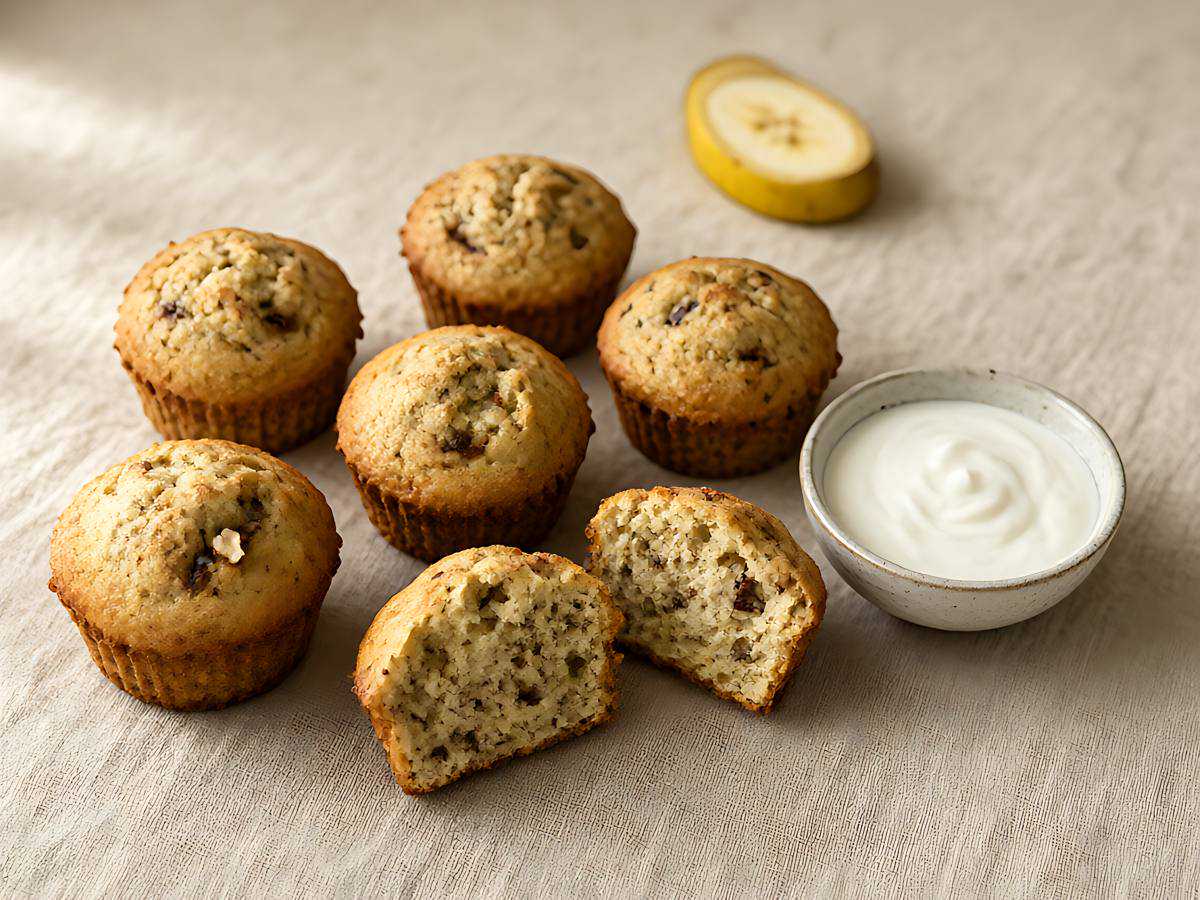
For eight small muffins, combine 75 to 85 grams of mashed banana with two eggs, 1 1/2 cups of almond flour, one tablespoon of coconut flour, three tablespoons of melted butter or avocado oil, one teaspoon of banana extract, one teaspoon of vanilla, cinnamon, baking powder, salt, and a measured amount of walnuts. Let the batter rest for five minutes so the coconut flour can absorb moisture. Divide it into lined muffin wells and bake at 350°F or 175°C for roughly 20 to 28 minutes.
The key is to cool the muffins completely before sealing them. Warm, moist muffins release steam, and trapped steam can create a gummy center. Store the next few muffins in the refrigerator and freeze the rest individually. Pair one muffin with plain Greek yogurt, cottage cheese, or an egg if you need a more satisfying breakfast.
2. Banana-cinnamon chia pudding
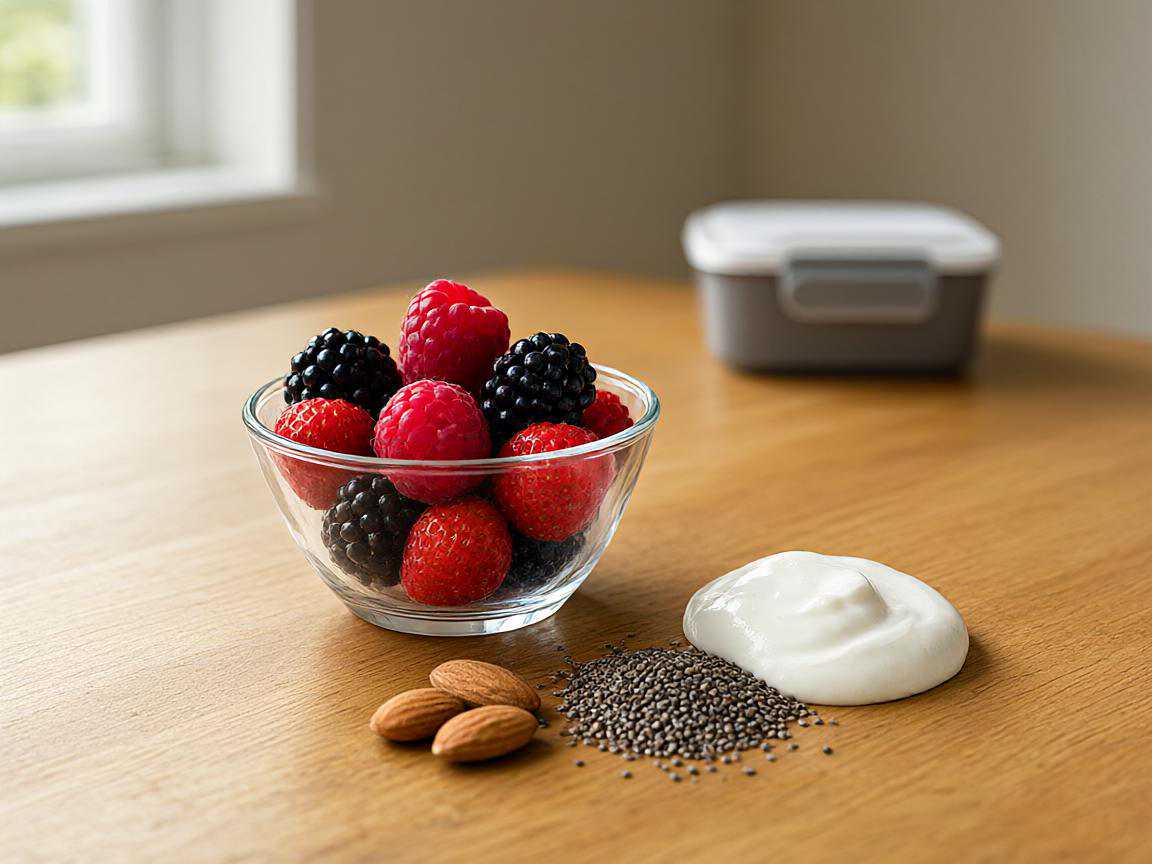
Chia pudding is useful when you want banana flavor without baking. Stir together two tablespoons of chia seeds, 1/2 cup of unsweetened almond milk, one tablespoon of plain Greek yogurt, 1/2 teaspoon of banana extract, vanilla, cinnamon, and a very small measured amount of mashed banana. If you use sweetener, add it cautiously because the banana aroma can make the pudding seem sweeter after it chills.
Let the mixture rest for ten minutes, stir again to prevent clumps, and refrigerate it for at least four hours. Top it with a few walnuts or unsweetened coconut rather than a large amount of granola. Chia seeds absorb liquid but do not make a recipe carbohydrate-free, so include them in your calculation. Keep the pudding chilled and use it within three days.
3. A banana-protein smoothie
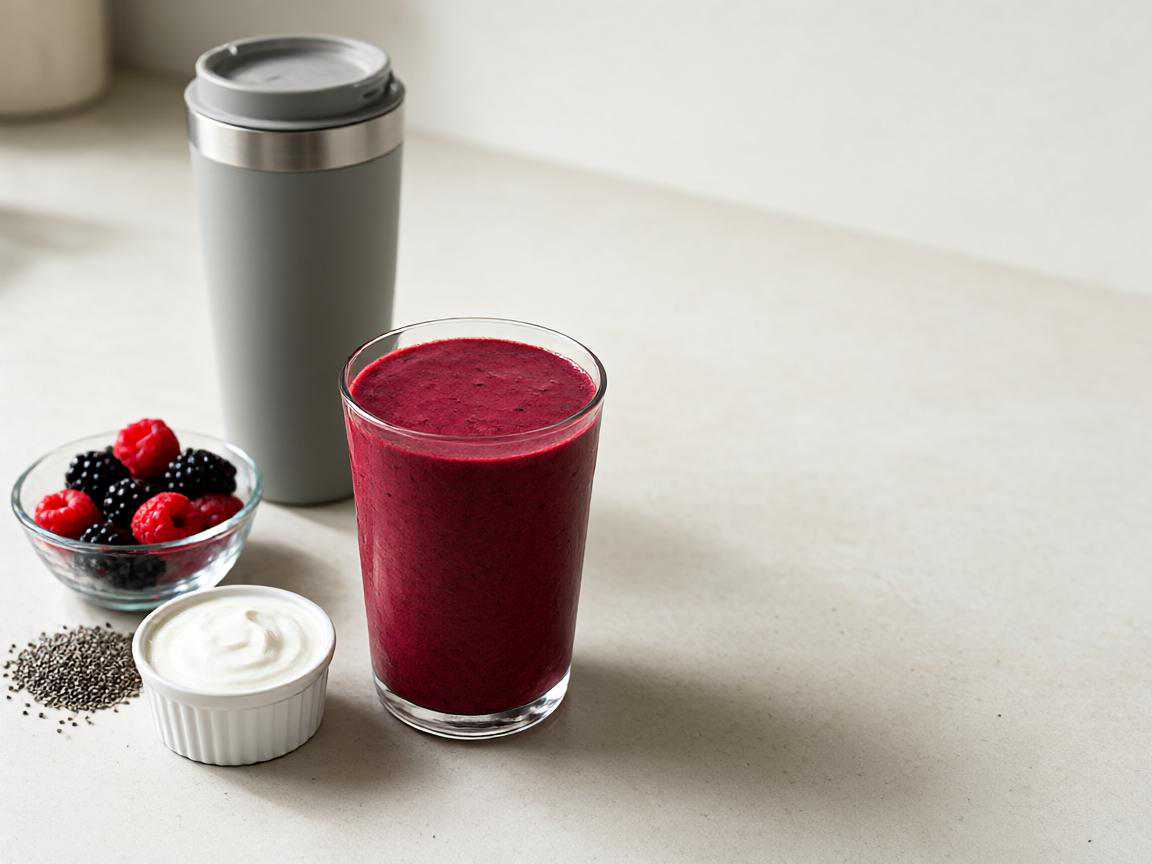
For a smoothie, blend ice, unsweetened almond milk, plain Greek yogurt or a protein powder that fits your plan, cinnamon, vanilla, and banana extract. Add a measured amount of banana rather than pouring in several pieces. A small spoonful of almond butter can add richness, but read the label for added sugar. If the drink is too thick, add more unsweetened liquid instead of sweetened milk.
Smoothies are easy to drink quickly, so portion awareness matters. Pour the finished drink into a glass rather than blending an open-ended amount. If you are carrying it to work, keep it cold and drink it within a safe time window. A smoothie is not automatically more filling than a solid snack; the protein and total ingredients matter more than the word smoothie.
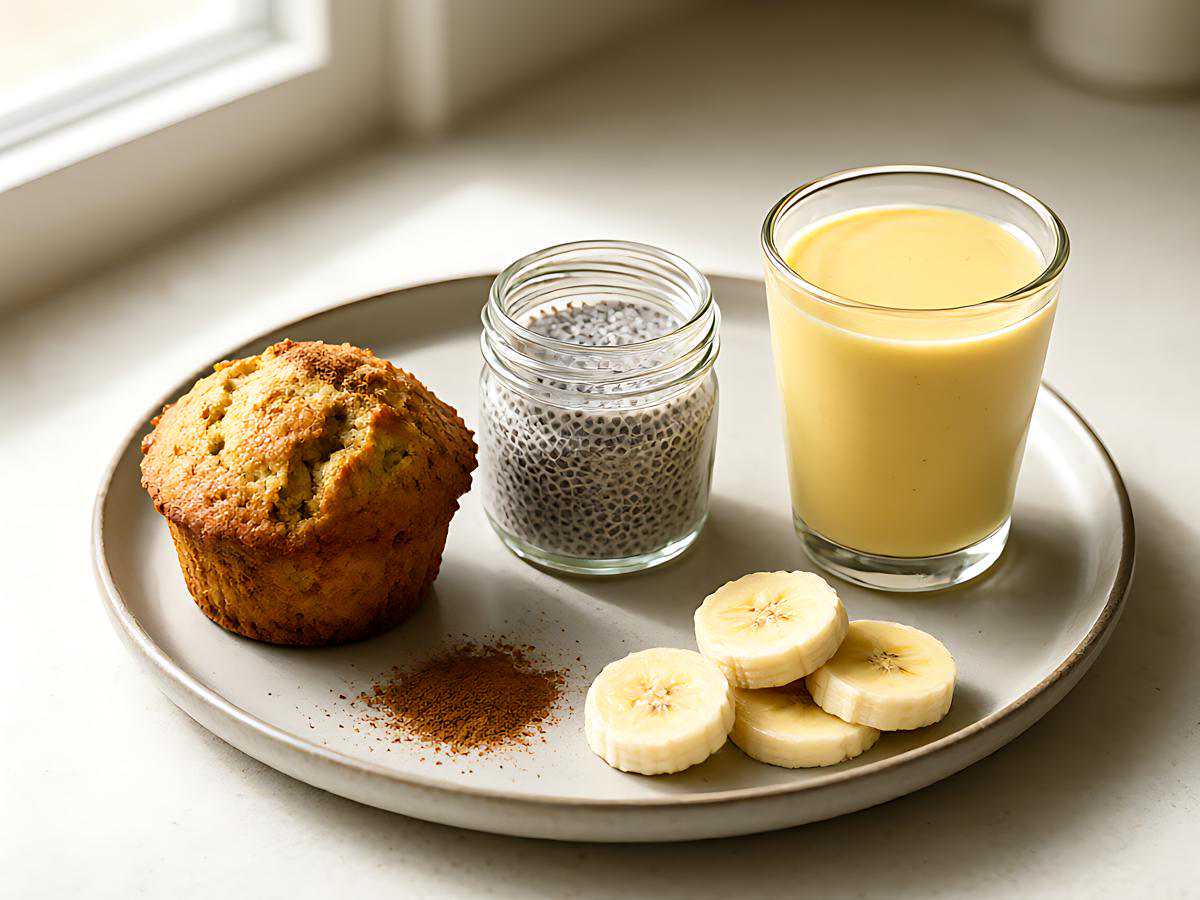
4. Small low carb banana pancakes
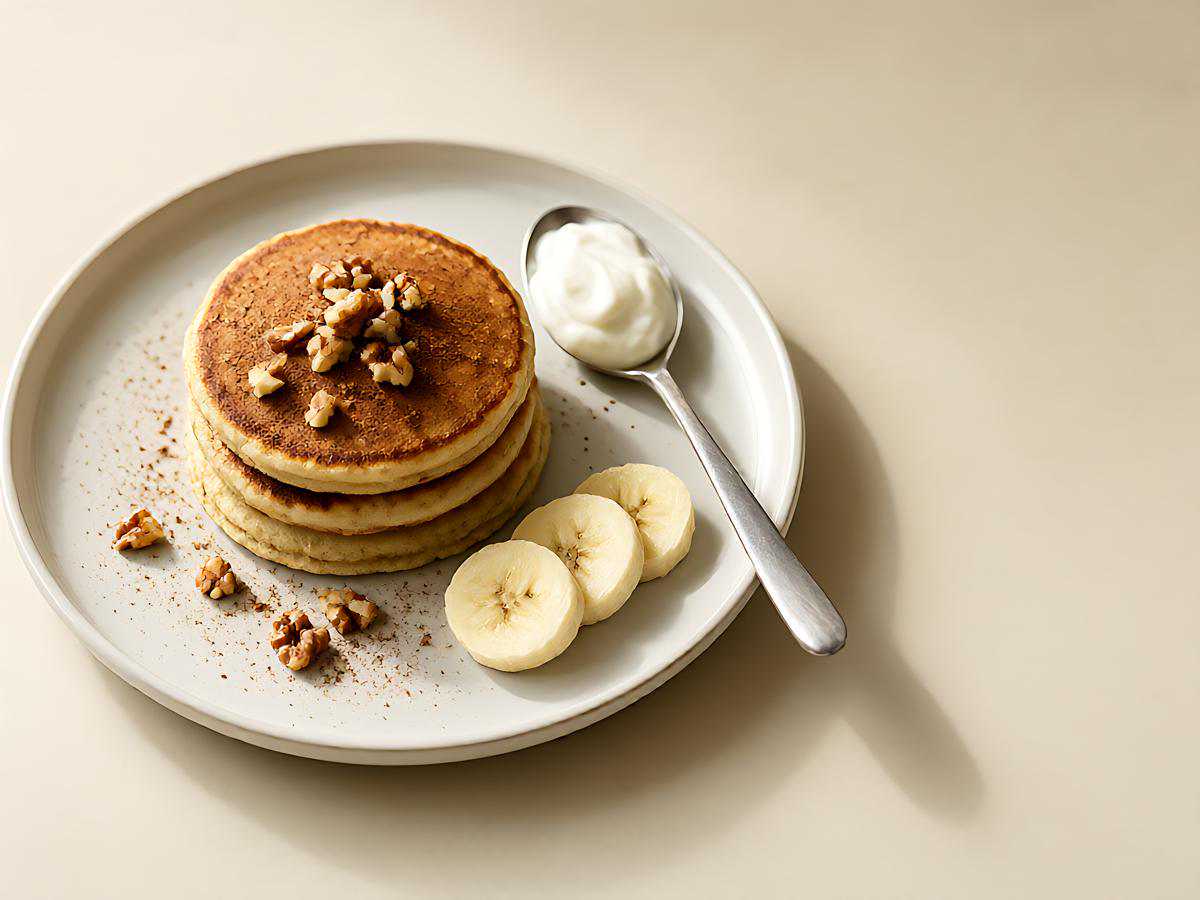
Whisk two eggs with 55 to 65 grams of mashed banana, one cup of almond flour, one tablespoon of coconut flour, two tablespoons of unsweetened almond milk, one tablespoon of melted butter, banana extract, vanilla, cinnamon, baking powder, and salt. Rest the batter for five minutes. Cook two tablespoons at a time in a lightly greased skillet over medium-low heat.
Keep the pancakes small so they cook through before the almond flour browns. Flip only when the edges look set and the top shows small bubbles. Serve two or three with plain yogurt, a boiled egg, or a measured spoon of nut butter. Avoid pouring syrup directly from the bottle; if you want a sweet topping, measure it and include it in the recipe total.
5. Banana-spice yogurt bowl
Use plain Greek yogurt as the base, then add 1/2 teaspoon of banana extract, cinnamon, vanilla, and a small measured amount of mashed banana. Stir thoroughly so the flavor is distributed. Add chopped walnuts or hemp hearts for texture. This option requires no cooking and can be prepared the night before.
Check the yogurt label carefully. Plain does not always mean identical carbohydrate content, and flavored yogurt is often sweetened. If you use a high-protein yogurt, compare the serving size and total carbohydrate with the product you normally buy. Keep the banana portion small enough that the bowl still fits your plan.
6. Frozen banana-flavor cream cups
For a frozen snack, combine plain Greek yogurt, a little banana extract, vanilla, cinnamon, and a very small amount of mashed banana. Spoon the mixture into silicone cups and freeze until firm. A few chopped nuts can be folded in, but keep the portions small. Let a cup sit at room temperature for several minutes before eating so it softens slightly.
This is not traditional ice cream and should not be presented as a zero-sugar dessert. Its texture depends on the yogurt, water content, and freezer temperature. Keep the cups covered and labeled with the date. If they become icy or develop an off smell, discard them rather than trying to rescue the texture.
Choosing supporting ingredients
Almond flour works well in baked banana recipes because it stays tender and pairs with cinnamon. Coconut flour can absorb moisture but needs careful measurement. Greek yogurt adds tang and protein, while chia seeds thicken cold mixtures. Nut butter contributes fat and flavor, but it is easy to overpour. Eggs give structure to pancakes and muffins, but they should be cooked fully.
Sweeteners deserve the same attention as the banana. Check for sugar, starch, maltodextrin, or other fillers. Sugar alcohols can affect digestion differently from person to person. A product marketed as no added sugar may still contain carbohydrate from dairy, fruit, or other ingredients. Record the exact brand when calculating a recipe you plan to repeat.
Our 92nd keto bread guide gives a useful example of comparing serving sizes, ingredient order, and fiber claims on a purchased food. The same habits apply to yogurt, protein powders, nut butters, and packaged toppings.
Portion and pairing ideas
One small baked item or one prepared cup can be a snack, but it may not be a complete meal. Pair a muffin or pancake with protein if that helps you stay satisfied. Add a boiled egg, plain yogurt, cottage cheese, or another food that fits your plan. A smoothie may need a measured protein ingredient, while chia pudding may benefit from a more substantial breakfast alongside it.
For an office container, place one muffin, two small pancakes, or one chilled chia cup in a separate portion. Keep yogurt, berries, or nut butter in their own container so the texture stays controlled. The office snacks guide includes more ideas for workdays without a kitchen. Use a cold pack whenever the food is moist, dairy-based, or egg-based and will be away from refrigeration.
For a weekend batch, prepare one baked option and one cold option rather than making every idea at once. The meal-prep hub can help you plan cooling, labels, and freezer portions. A simple routine is to keep two or three portions in the refrigerator and freeze or assemble the rest later.
Label checks for banana recipes
Calculate total carbohydrate for the full recipe, then divide by the number of servings. For a baked recipe, include the banana, flour, sweetener, nuts, and any chips or toppings. For yogurt bowls and smoothies, include dairy, protein powder, nut butter, and milk. For chia pudding, include the seeds, milk, yogurt, and banana.
Net carbohydrate calculations depend on the labeling rules and the fiber content of the exact products. Do not assume that a high-fiber flour or resistant-starch ingredient affects everyone in the same way. If a package uses unusual serving sizes or makes a bold claim, read the full panel rather than relying on the front of the package.
Storage and portability
Cool muffins and pancakes before sealing them. Refrigerate moist recipes such as chia pudding, smoothies, yogurt bowls, and frozen cups. Muffins and pancakes can usually be frozen in individual portions with parchment between layers. Label each container with the name and date, especially when several banana recipes look similar.
When traveling, carry cold foods in an insulated bag with a cold pack. Do not leave dairy, egg, or moist baked foods in a hot car. A rigid container protects muffins and pancakes from being crushed, while a leakproof jar is better for chia pudding or yogurt. Pack toppings separately so you can see how much you are using.
Common mistakes
- Using several bananas by habit: the recipe may no longer fit the intended carbohydrate target.
- Ignoring the extract label: some flavorings include sugar or other ingredients.
- Overpouring nut butter: measure it because the serving size is easy to exceed.
- Cooking almond-flour batter too hot: the outside browns before the inside sets.
- Storing food while warm: steam creates moisture and shortens quality.
- Adding sweet toppings without counting them: syrup, granola, and flavored yogurt can change the recipe significantly.
How to choose the right format
Choose muffins when you want a portable baked portion. Choose chia pudding or a yogurt bowl when you want no-cook preparation and reliable refrigeration. Choose pancakes for a fresh breakfast where you can control the pan temperature. Choose a smoothie when drinking a meal is convenient, but measure the glass and ingredients. Choose frozen cups when you want a small dessert-like format that can be prepared ahead.
None of these formats is automatically better for weight management. The best option is the one with a portion you can see, ingredients you understand, and storage that fits your day. A recipe that travels safely and tastes satisfying is more useful than a theoretically perfect recipe that you never prepare.
Frequently asked questions
Are bananas allowed on a low-carb plan?
That depends on the plan and the portion. Bananas contain carbohydrate, so the amount matters. Some people use a small measured portion for flavor, while others avoid the fruit and use extract only. Use your own targets and professional guidance when appropriate.
Can I use banana extract without banana?
Yes. Banana extract can flavor a yogurt bowl, pancake batter, chia pudding, or baked recipe without adding the same amount of fruit carbohydrate. The recipe will lack some of the moisture and texture supplied by real banana, so other ingredients may need adjustment.
Can I substitute coconut flour for almond flour?
Not cup for cup. Coconut flour absorbs much more liquid and needs a different formula. Use a recipe designed for coconut flour if you need to avoid almonds.
What should I do with leftover banana?
Measure the remainder into a labeled freezer container and save it for another recipe. Freezing small portions prevents waste and makes it easier to use a consistent amount later. Record the weight before freezing so you know what you have.
How can I make a banana recipe more filling?
Pair the portion with protein, such as plain Greek yogurt, cottage cheese, eggs, or a suitable protein ingredient. Add a little fat or fiber when appropriate, but keep the amount measured. A larger portion is not the only way to increase satisfaction.
These low carb recipes with bananas work best when the banana is weighed, banana extract is used thoughtfully, packaged ingredients are checked, and toppings are treated as part of the recipe rather than decoration. Choose one format that fits your day, prepare it in a visible portion, and store it safely so the recipe remains useful beyond the first bite.