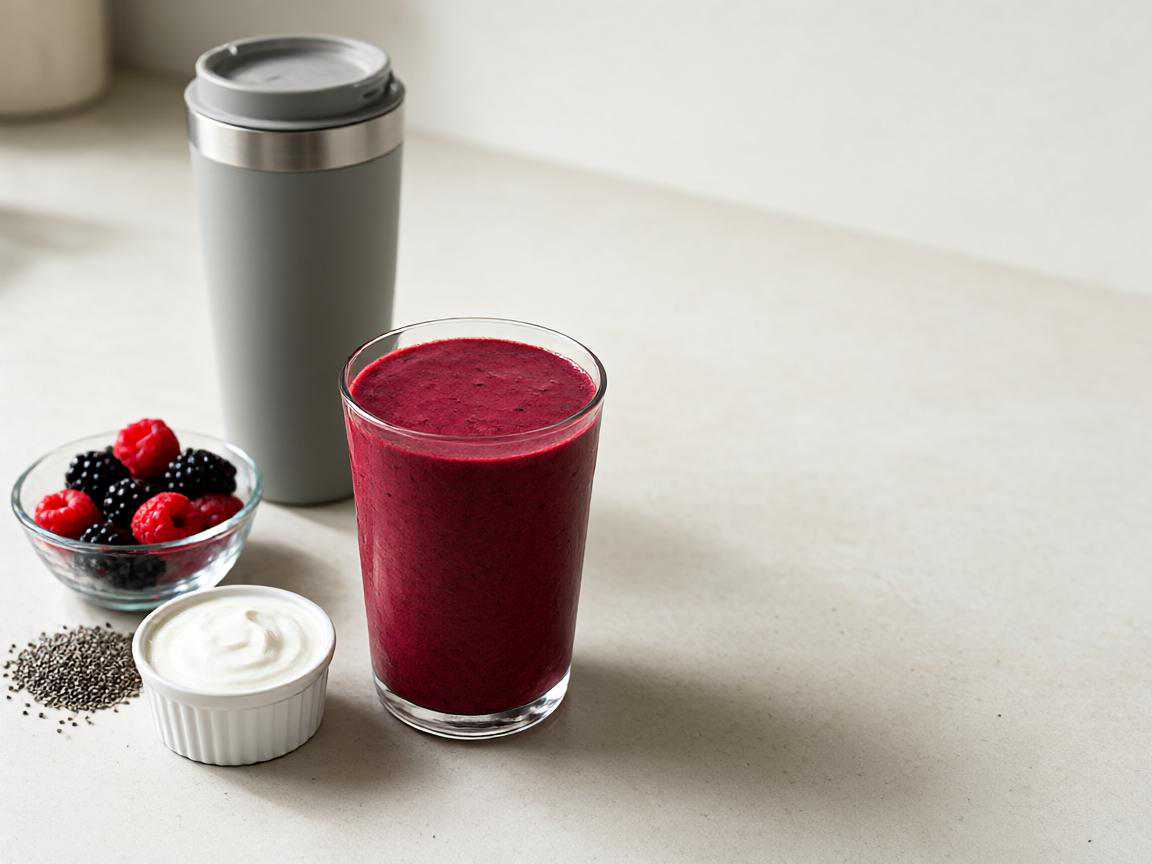
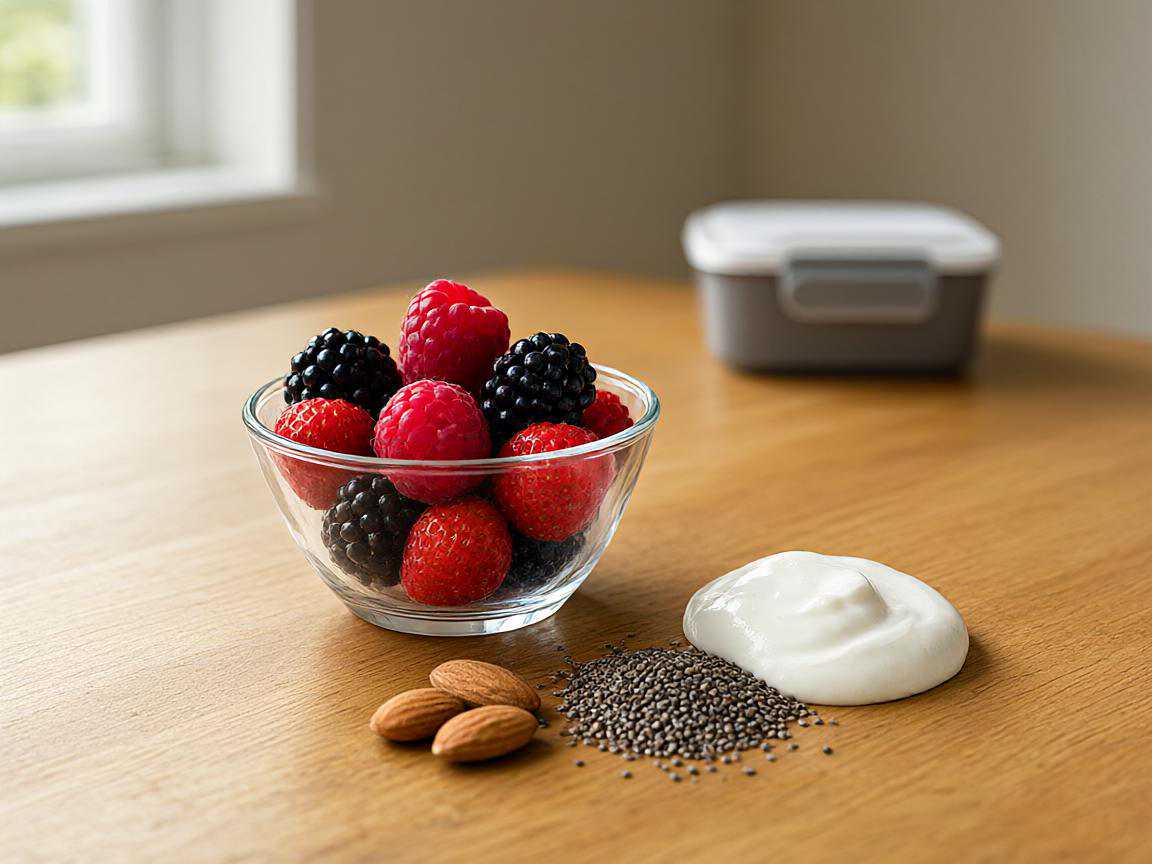
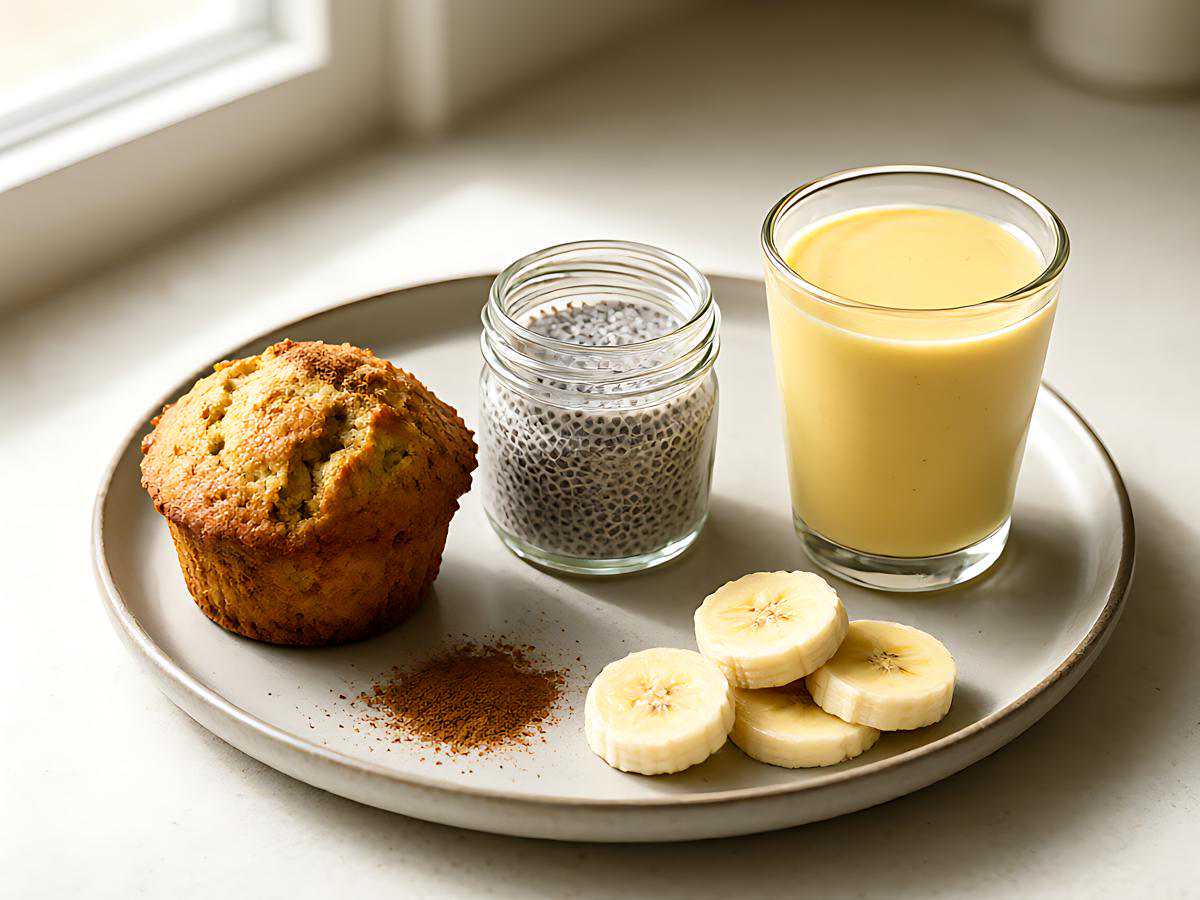
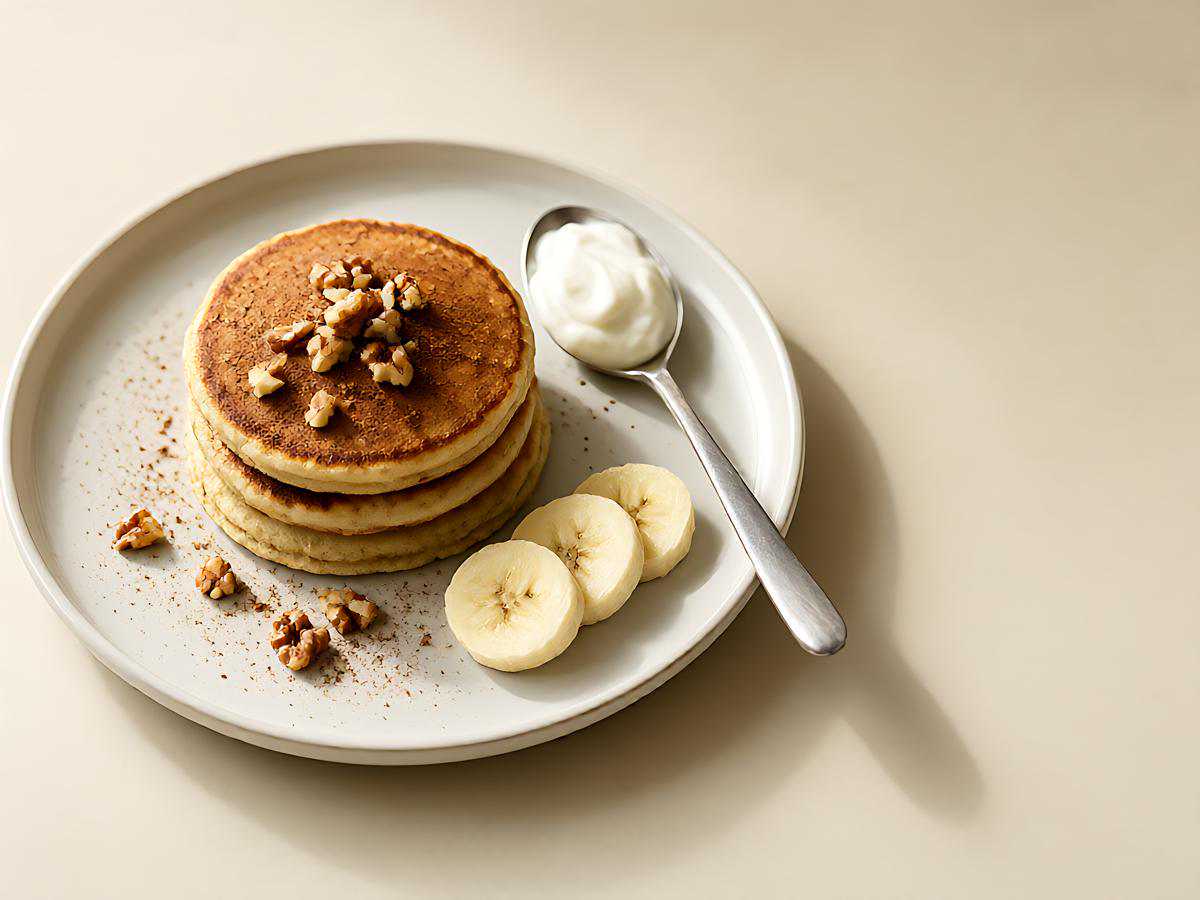
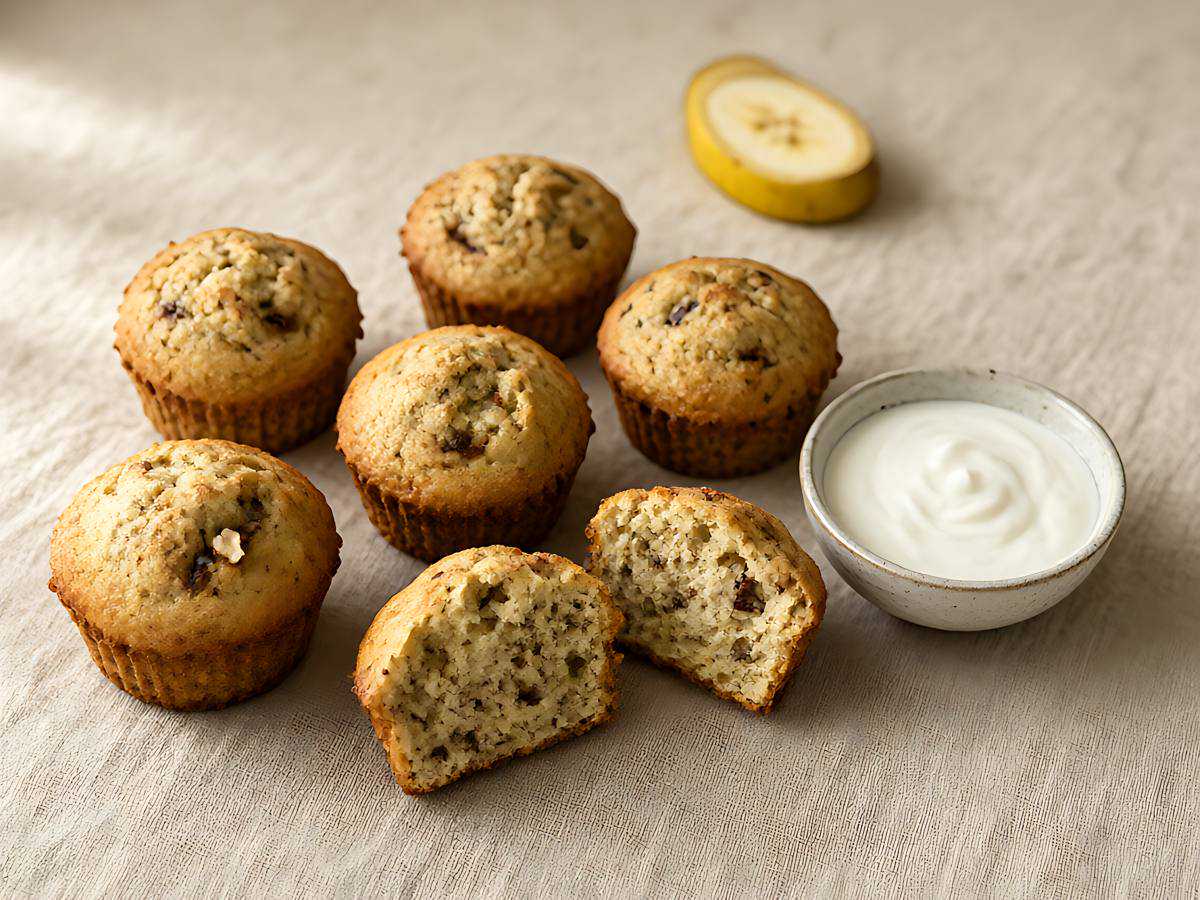
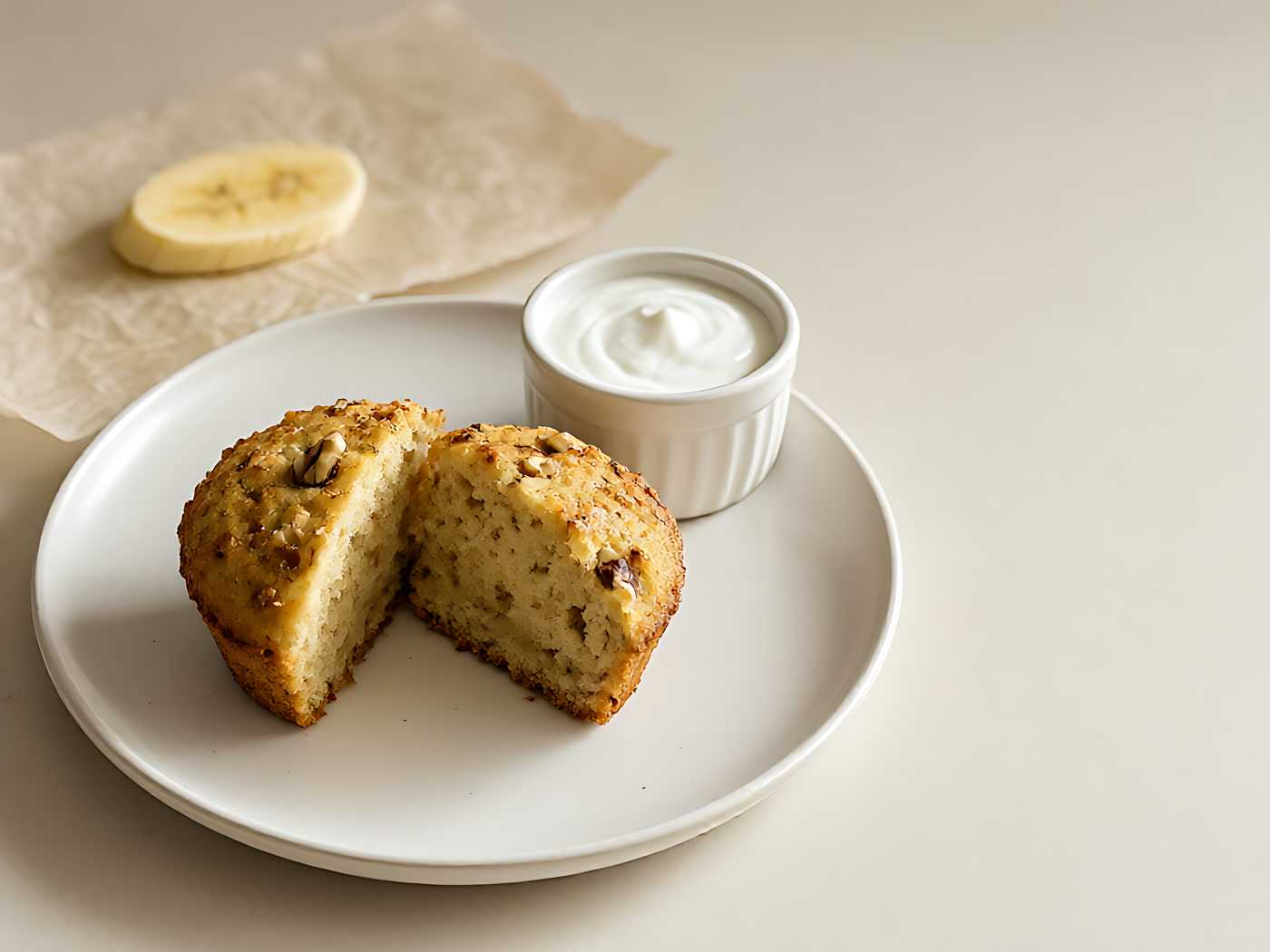
A banana bread keto recipe needs one honest clarification before the oven is turned on: ripe bananas are naturally sweet and carbohydrate-rich, so a keto-style loaf should not pretend that a full traditional banana bread recipe is automatically low carb. The practical approach is to use a small measured amount for aroma and texture, then build the loaf around almond flour, eggs, fat, and banana extract. This version makes a compact loaf with a soft crumb, a clear cinnamon-walnut flavor, and slices that can be portioned for snacks or breakfast.
The method below is designed for people who want a usable recipe rather than a vague substitution list. It explains how much banana to use, why banana extract can help, which labels deserve attention, how to keep the loaf from becoming wet or crumbly, and how to store or carry individual slices. If you are tracking carbohydrates for a medical reason, use the nutrition information from the exact ingredients and brands you choose. The recipe is a general food guide, not individualized medical advice.
What makes this banana bread keto recipe work
Traditional banana bread gets much of its structure from wheat flour, sugar, and several bananas. Removing those ingredients changes both the chemistry and the eating experience. Almond flour provides tenderness and a mild nutty base, but it does not absorb moisture in exactly the same way as wheat flour. Eggs provide structure, while a small amount of coconut flour can help bind liquid. Butter or avocado oil adds richness, and a measured portion of banana contributes familiar flavor without making the loaf depend on a large quantity of fruit.
This is also why the loaf is intentionally small. A smaller pan encourages even baking and makes portion control easier. Instead of cutting a tall café-style loaf into oversized pieces, you can bake one compact loaf and divide it into eight or ten slices. The result is more realistic for a snack-focused routine: each serving can be paired with a protein or unsweetened drink without turning into an unplanned dessert-sized portion.
Ingredients for one small loaf
- 1/3 cup finely mashed ripe banana, about 75 to 85 grams after peeling
- 1 1/2 cups blanched almond flour
- 1 tablespoon coconut flour
- 2 large eggs, room temperature
- 3 tablespoons melted unsalted butter or neutral avocado oil
- 2 tablespoons allulose or another granulated sweetener you already tolerate
- 1 teaspoon banana extract, preferably one with no added sugar
- 1 teaspoon vanilla extract
- 1 teaspoon ground cinnamon
- 1/4 teaspoon nutmeg, optional
- 1 1/2 teaspoons baking powder
- 1/4 teaspoon fine salt
- 1/3 cup chopped walnuts or pecans
- 1 tablespoon unsweetened hemp hearts, optional
Use a small 8-by-4-inch loaf pan if available. A 9-by-5-inch pan will work, but the loaf will be shorter and may finish sooner. Line the pan with parchment paper, leaving a little overhang so the loaf can be lifted out without tearing the tender sides.
Step-by-step method
1. Prepare the banana portion
Measure the mashed banana instead of relying on the size of the fruit. Bananas vary widely, and an extra half banana can change the carbohydrate total and the moisture level. Mash the banana until nearly smooth, leaving only a few very small pieces for texture. Stir in the banana extract and vanilla. The extract is important because it lets the loaf taste distinctly banana-like even though the fruit portion is modest.
2. Mix the dry ingredients
In a medium bowl, whisk the almond flour, coconut flour, cinnamon, nutmeg, baking powder, and salt. Break up any almond-flour clumps with the back of a spoon. If your almond flour is coarse, the finished loaf may have a heavier texture. A finely ground flour generally gives a more even crumb, although it still will not feel identical to wheat flour.
3. Build the wet mixture
In a second bowl, whisk the eggs with the melted butter or oil and sweetener. Make sure the butter is warm rather than hot so it does not cook the eggs. Add the measured banana mixture and whisk until evenly blended. If you use a liquid sweetener instead of a granulated one, the batter may need an extra few minutes of resting time because the liquid balance changes.
4. Combine without overworking
Fold the dry mixture into the wet mixture with a spatula. Stop as soon as no dry streaks remain. Almond-flour batter does not develop gluten, but vigorous mixing can still make it dense because the nuts and coconut flour absorb liquid quickly. Fold in the walnuts or pecans last. Let the batter stand for five minutes. This short rest allows the coconut flour to hydrate and makes the batter easier to spread.
5. Bake and check the center
Spread the batter into the lined pan and smooth the top. Bake at 350°F or 175°C for about 35 to 45 minutes, depending on the pan and your oven. The top should be golden and the center should feel set rather than liquid. A toothpick should come out with a few moist crumbs, not wet batter. If the top browns before the center is ready, tent it loosely with foil for the final ten minutes.
6. Cool before slicing
Let the loaf cool in the pan for 15 minutes, then lift it onto a rack. Wait until it is mostly cool before slicing. The crumb continues to firm as it cools, and cutting too early can make a perfectly baked loaf appear gummy. For the cleanest slices, chill the loaf for 30 minutes after it reaches room temperature, then use a serrated knife with a gentle sawing motion.
How to judge the texture
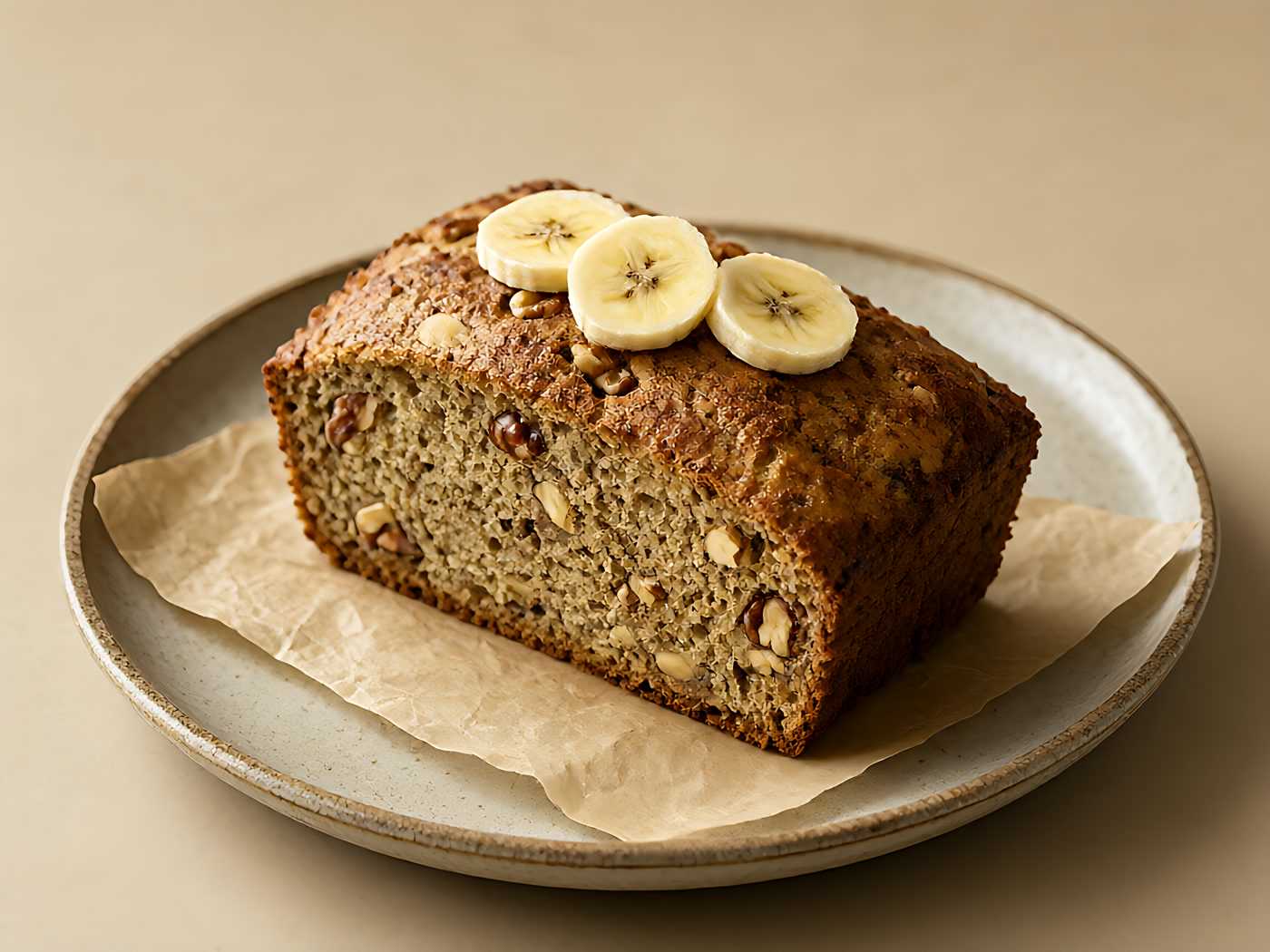
A good loaf should be moist but not sticky, tender but not fragile. If the center is wet after cooling, the most likely causes are too much mashed banana, an underheated oven, a pan that is too small, or slicing before the crumb has set. Return underbaked slices to a low oven for several minutes, or toast them before serving. If the loaf is dry, check whether the almond flour was packed into the measuring cup, whether the eggs were unusually small, or whether the loaf baked too long.
The walnuts are optional, but they add a useful contrast. Without nuts, the loaf is softer and easier to pack, while walnuts provide crunch and a little additional fat and fiber. Seeds can replace the nuts if needed, but check for allergies and remember that any substitution changes the nutrition profile.
Carbohydrate and label considerations
Do not estimate the carbohydrate content from the word keto in the title. Add the carbohydrate amounts from the banana, almond flour, coconut flour, sweetener, and any mix-ins. If you divide the loaf into ten slices instead of eight, the carbohydrate per slice will be lower, but the total recipe does not change. A nutrition app or a spreadsheet can help you calculate the recipe using the labels of your actual ingredients.
Sweeteners also deserve a careful look. Some granulated products contain sugar, maltodextrin, or other fillers. Sugar alcohols can affect people differently, and some may cause digestive discomfort when used generously. This recipe uses a small amount of sweetener, but you can reduce it if the banana and vanilla are already flavorful enough. A “no added sugar” label does not automatically mean low carbohydrate, so check the full nutrition panel.
Banana extract is usually used in small amounts, but formulations differ. Look for an ingredient list that matches your needs and avoid assuming that a flavoring is carbohydrate-free without reading its label. The same rule applies to chocolate chips, frostings, nut butters, and packaged toppings. This is a recipe framework, not a promise about any particular commercial product.
For another practical look at bread-style ingredients and labels, see our 92nd keto bread guide. It can help you compare serving sizes, fiber claims, and ingredient lists when you want a purchased bread alongside a homemade snack.
Flavor variations that stay focused
Cinnamon pecan
Use pecans instead of walnuts and add an extra pinch of cinnamon. This is a good option when you want a warmer, dessert-like aroma without adding a glaze. Keep the pecan amount measured because nuts are energy-dense even when they contain relatively little sugar.
Lemon banana
Add one teaspoon of finely grated lemon zest and reduce the nutmeg. Lemon brightens the loaf and can make a small banana portion taste more pronounced. Avoid adding lemon juice directly to the batter unless you are prepared to adjust the texture; zest gives aroma with very little extra liquid.
Cocoa walnut
Replace two tablespoons of almond flour with unsweetened cocoa powder and add a tablespoon of extra liquid if the batter seems unusually thick. Cocoa powders vary in bitterness, so taste the batter only if the eggs are from a safe, pasteurized source, or simply adjust the sweetener after baking. Use unsweetened cocoa rather than a prepared hot-chocolate mix.
Seeded breakfast slice
Fold in one tablespoon each of hemp hearts and pumpkin seeds. This version is less cake-like and works well toasted with cream cheese or a boiled egg. It is still a banana bread-style snack, not a complete meal by itself, so pair it with a protein source if it needs to carry you through a busy morning.
Portioning and serving ideas
Cut the cooled loaf into eight to ten equal slices. A kitchen scale is useful if you want consistent portions. Serve one slice with plain Greek yogurt, cottage cheese, a boiled egg, or a small portion of nut butter, depending on your eating pattern and nutrition needs. You can also toast a slice and add cinnamon rather than a sugary spread.
For a snack box, pack one slice with a small cheese portion and a few cucumber rounds. For an office breakfast, use a slice with unsweetened coffee and a separate protein item. If you are preparing food for travel, pack the loaf chilled and keep it in an insulated bag with a cold pack. A slice should not sit at room temperature for an entire day when it contains eggs and moist ingredients.
Our meal-prep hub has more guidance on batch cooking, cooling, and dividing foods into practical containers. For a broader snack structure, the snack ideas hub can help you combine a baked item with protein, produce, or a satisfying fat instead of treating the loaf as an unlimited food.
Storage and freezing
Once cool, store the loaf in a sealed container in the refrigerator for up to four days. Place parchment between slices if you want to remove one at a time. Refrigeration helps the crumb hold together, but it can also make the loaf feel firmer. Warm a slice briefly in a toaster oven or microwave if you prefer a softer texture, and check that it is heated evenly.
For longer storage, freeze individual slices on a parchment-lined tray until firm, then transfer them to a labeled freezer bag. Use them within about two months for the best texture. Thaw overnight in the refrigerator or warm directly from frozen at a low setting. Do not refreeze a slice that has been fully thawed and left at room temperature.
If the loaf develops an off smell, visible mold, excessive moisture, or a sticky surface that was not present when it cooled, discard it. Do not rely on reheating to make questionable food safe. Storage times are estimates because refrigerator temperature, moisture, and handling vary.
Common mistakes and simple fixes
- Using a whole banana without recalculating: the loaf may be sweeter and wetter than intended. Measure the mashed fruit and use extract for extra aroma.
- Skipping the rest period: coconut flour may not hydrate evenly, leaving a fragile or wet center. Give the batter five minutes before baking.
- Overmixing: vigorous stirring can make the loaf heavy. Fold just until combined.
- Cutting while hot: the crumb can seem underbaked even when it is not. Cool fully before judging texture.
- Ignoring pan size: a deeper batter layer takes longer to bake. Use a thermometer or toothpick and adjust time.
- Adding sweet toppings automatically: frosting, syrup, and sweetened nut butter can change the carbohydrate total more than the loaf itself. Taste the bread first.
How this recipe fits a realistic low-carb routine
A recipe can be lower in carbohydrate and still be easy to overeat. The useful question is not only whether the ingredients fit your target, but whether the finished food has a portion that feels satisfying and repeatable. A small loaf is easier to divide, label, freeze, and pair with other foods. It also gives you a defined stopping point rather than leaving a full bakery-style loaf on the counter.
If you enjoy banana flavor but want fewer baked goods, use the same extract in chia pudding, a yogurt bowl, or a protein smoothie made with unsweetened ingredients. If you choose green banana flour, read the serving label carefully: resistant starch and total carbohydrate are discussed differently across products, and individual tolerance varies. Do not treat the word resistant as a reason to ignore the full panel.
For a portable workday option, compare this loaf with the office snacks guide. The goal is not to rank one food as universally best. It is to choose a portion, add the nutrient you are missing, and make storage practical enough that the plan survives a normal day.
Frequently asked questions
Can I omit the banana completely?
Yes, but the result becomes a cinnamon-nut quick bread rather than a banana bread-style loaf. Replace the banana with a small amount of unsweetened yogurt or pumpkin puree only if you are willing to recalculate moisture and carbohydrates. Keep the banana extract for flavor, and begin checking the loaf earlier because the batter may bake differently.
Can I use coconut flour instead of almond flour?
Not as a one-for-one swap. Coconut flour absorbs much more liquid, so a direct replacement usually produces a dry, dense loaf. A coconut-flour version needs a different formula with more eggs and liquid. If you need to avoid almonds, use a tested recipe designed for coconut flour rather than improvising the same measurements.
Why did my loaf sink in the middle?
The center may not have baked long enough, the baking powder may be old, or the batter may have contained extra banana or liquid. Let the loaf bake until the center is set, and avoid opening the oven repeatedly during the first 25 minutes. Weighing the banana is often the simplest improvement.
Can I make muffins from this batter?
Yes. Divide the batter among eight lined muffin wells and begin checking after about 18 to 24 minutes. Muffins cool faster and are easy to freeze, but they can dry out more quickly than a small loaf. Store them in a sealed container and label the date.
Is this recipe suitable for every keto plan?
No single recipe fits every person. A small banana portion may work within one person’s carbohydrate budget and not another’s. Medication, allergies, digestive tolerance, and medical nutrition guidance also matter. Use your own targets and professional advice when those apply.
This banana bread keto recipe is best understood as a measured, small-batch way to enjoy banana flavor with realistic expectations. Use the scale for the fruit, read every packaged ingredient, cool the loaf completely, portion it before storing, and pair it with foods that make the snack more balanced for your day.