Low Carb Alfredo Recipes: Creamy, Practical Ideas for Balanced Meals
Low carb Alfredo recipes work best when the sauce is treated as one part of a complete meal rather than as a shortcut that has to carry everything. A creamy sauce can make vegetables, chicken, seafood, or a small portion of a low carb pasta alternative feel satisfying, but the finished dish still benefits from a clear protein, a portion you can recognize, and enough texture to make the meal enjoyable. This guide focuses on practical recipes that use familiar ingredients, explain how to keep the sauce smooth, and show how to prepare portions for an ordinary week.
The central idea is simple: choose a low carb base, build a dependable Alfredo sauce, add protein or vegetables, and finish with a measured amount of cheese or a flavorful topping. The exact ingredients can change with your budget, dietary needs, and the equipment available in your kitchen. These recipes are general food education, not individualized medical advice. If you have an allergy, kidney condition, digestive concern, or another condition that affects your diet, use advice from a qualified professional when choosing ingredients and portions.
Quick answer: what makes a low carb Alfredo recipe useful?
A useful recipe has four jobs. First, it gives the sauce a creamy texture without requiring a large amount of flour or a high-carbohydrate thickener. Second, it provides enough structure that the meal is not just a bowl of sauce. Third, it can be prepared in a way that survives leftovers without separating into oil and liquid. Fourth, it tells you what to do when the day changes, such as when you need a portable portion or a faster dinner.
For a simple starting formula, use a low carb vegetable or pasta alternative as the base, add a protein such as chicken, shrimp, salmon, tofu, or eggs, and make the sauce with cream, milk, unsweetened dairy or a suitable non-dairy alternative, garlic, and Parmesan. A small amount of cream cheese can add body, while a splash of cooking water can loosen the sauce. The right amount depends on the ingredients, so add liquid gradually instead of pouring it all in at once.
If you want the meal to fit a weight-management routine, define the serving before you start eating. A bowl with two cups of vegetables, a palm-sized protein portion, and enough sauce to coat the food can feel very different from a large container filled mostly with sauce. There is no universal portion for every person, but a visible plate or container makes the decision easier to repeat.
The building blocks of low carb Alfredo recipes
Choose the base first. Zucchini noodles are quick and light, but they release water and can become soft if overcooked. Spaghetti squash has a natural strand-like texture and works well for batch cooking, although it has a sweeter flavor. Cauliflower florets, riced cauliflower, broccoli, hearts of palm noodles, shirataki noodles, and roasted mushrooms each bring a different combination of volume, texture, and preparation time. A low carb base does not have to imitate wheat pasta perfectly; it only needs to carry the sauce in a way you enjoy.
Add an anchor. Chicken breast, chicken thigh, shrimp, salmon, turkey, lean beef strips, tofu, or eggs can give the bowl a clear center. If you prefer a vegetarian dish, use a protein source that fits your eating pattern and pair it with vegetables for color and volume. When using packaged meat substitutes, check the ingredient list, serving size, sodium, and carbohydrate information rather than assuming that a product is low carb because the front label sounds healthy.
Build the sauce gradually. Warm fat and aromatics first, add the dairy or dairy alternative over moderate heat, and add cheese after the pan is no longer aggressively boiling. Parmesan thickens as it melts, so a low simmer is usually more reliable than high heat. If the sauce becomes too thick, add a spoonful of warm water or unsalted broth. If it becomes too thin, let it reduce briefly or add a small amount of cream cheese. Rushing the process is the most common reason a creamy sauce becomes grainy.
Finish with contrast. Fresh parsley, lemon zest, cracked pepper, chili flakes, roasted garlic, toasted seeds, or a small amount of crisp bacon can give the dish a second texture or a brighter flavor. The finishing ingredient should support the meal instead of turning into an unmeasured pile of extras. A squeeze of lemon is especially helpful when the sauce tastes heavy, while herbs can make a reheated portion feel fresher.
A reliable basic low carb Alfredo sauce
For four modest portions, start with two tablespoons of butter or olive oil, two minced garlic cloves, one cup of heavy cream or an appropriate unsweetened alternative, four ounces of softened cream cheese if desired, and three quarters of a cup of finely grated Parmesan. Season with black pepper, a small pinch of salt, and nutmeg only if you like its flavor. The cream cheese is optional; it gives the sauce more body and can make it more stable for leftovers, but it also changes the richness and sodium level.
Melt the butter in a wide pan over medium-low heat. Add the garlic and cook just until fragrant, usually less than a minute. Pour in the cream and warm it without letting it boil hard. Whisk in the softened cream cheese in small pieces. When the mixture looks smooth, reduce the heat and add Parmesan a little at a time. Keep stirring until the cheese melts. Add a tablespoon of warm water if the sauce is too thick for the vegetables or protein you have prepared.
Do not judge the final thickness while the sauce is piping hot. It will thicken as it cools and as it coats the base. If you are adding cooked chicken or vegetables, fold them in at the end so they warm without being overcooked. Taste after the cheese is incorporated because Parmesan brings salt. The amount of seasoning that works with one brand can be too much for another.
Recipe one: chicken Alfredo with zucchini noodles
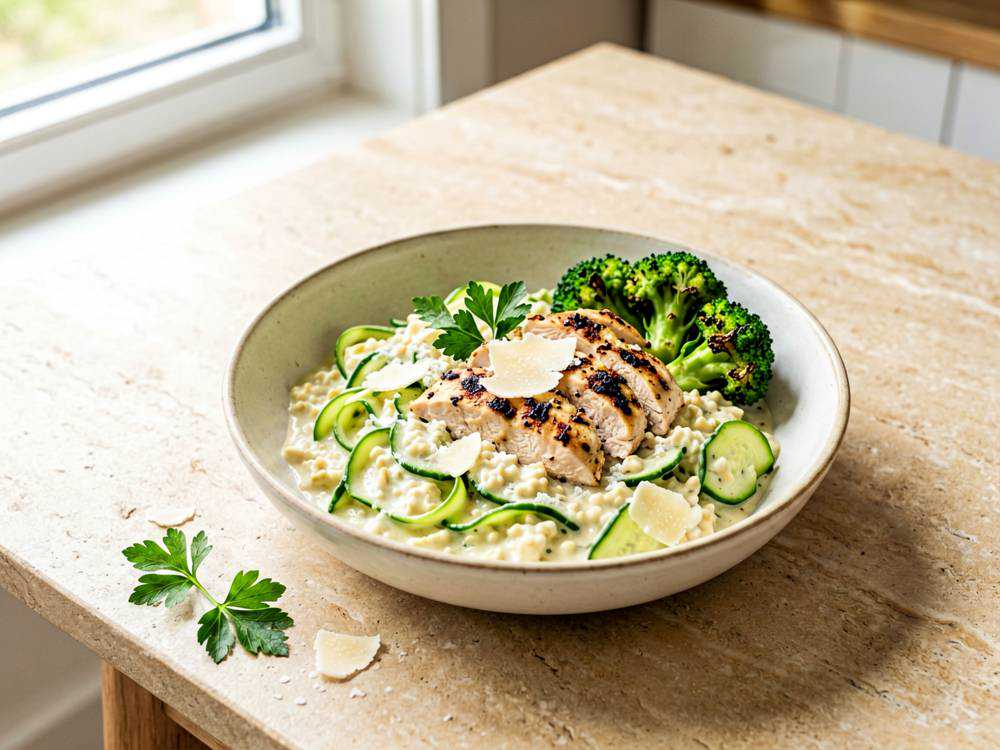
Chicken Alfredo with zucchini noodles is a useful weeknight version because the components can be prepared separately. Slice chicken into even pieces, season with pepper, garlic powder, and a small amount of salt, then cook it in a lightly oiled skillet until it reaches a safe internal temperature. Rest the chicken before slicing so the juices stay in the meat. In another pan, sauté zucchini noodles briefly. The goal is to warm them and soften them slightly, not to cook them until they collapse.
Make the basic sauce in the chicken pan after removing the meat. The browned bits can add flavor, but scrape only what loosens easily. Toss the zucchini with enough sauce to coat the strands, then add sliced chicken on top. If you are packing the meal for later, keep the zucchini, chicken, and sauce in separate sections when possible. Reheat gently and stir the sauce back together with a teaspoon of water.
This version is easy to vary. Add roasted mushrooms for a deeper flavor, broccoli for more chew, or spinach at the end so it wilts in the warm sauce. If your zucchini releases a lot of water, salt it lightly, let it stand for a few minutes, and pat it dry before cooking. Do not squeeze it aggressively if you want the strands to retain their shape.
Recipe two: shrimp Alfredo with cauliflower and lemon
Shrimp cooks quickly, which makes it useful for a low carb Alfredo dinner when you have limited time. Pat the shrimp dry, season lightly, and cook it in a hot pan with butter or olive oil until it turns opaque and curls. Remove it immediately so it does not become rubbery. Add steamed cauliflower to the pan and prepare the sauce around it, or make the sauce separately if you need a cleaner flavor.
Fold the shrimp into the sauce at the very end. Finish with lemon zest and a small squeeze of juice, adding the juice gradually so it does not make the dairy sauce split. Parsley, chives, or a few chili flakes add color and contrast. Because shrimp is delicate, this recipe is usually better fresh than after several days of reheating.
For a portable meal, cool the components promptly, use a leak-resistant container, and keep the meal chilled with an ice pack. Carry the lemon separately if you want the freshest flavor. Avoid leaving seafood or dairy dishes at room temperature for an extended period; use current local food-safety guidance and the storage directions for the ingredients.
Recipe three: roasted cauliflower Alfredo with crispy toppings
Roasted cauliflower gives Alfredo sauce a firm base and a lightly toasted flavor. Cut the florets into similar sizes, coat them with a measured amount of oil, and roast until the edges are browned and the centers are tender. The dry heat removes some moisture, so the sauce stays more concentrated than it would with boiled cauliflower. While the cauliflower roasts, prepare the sauce in a small saucepan over low heat.
Serve the sauce over the roasted florets rather than simmering them in the pan. This keeps the browned edges visible and protects the texture. Add cooked chicken, turkey, tofu, or a poached egg if you want a more substantial meal. For crunch, use toasted pumpkin seeds, chopped walnuts, or a small amount of crisped pancetta. Measure the topping before adding it, especially when it is energy-dense.
This recipe is flexible enough for leftovers. Store the roasted cauliflower and sauce separately if you expect to reheat the meal. Warm the sauce slowly and add water one teaspoon at a time. Reheat the cauliflower in an oven, toaster oven, or air fryer when possible to restore some of the roasted texture.
Recipe four: salmon Alfredo with spinach
Salmon and Alfredo sauce can work together when the sauce is kept bright and not overly thick. Bake or pan-cook a salmon portion with pepper, lemon zest, and herbs. Avoid adding a large amount of salt before the sauce is finished because Parmesan may already provide enough seasoning. Wilt spinach in the warm pan, then add a small serving of sauce and place the salmon on top.
A vegetable base such as spaghetti squash or hearts of palm noodles can carry this version. If you use spaghetti squash, roast it until the strands separate easily, then drain excess moisture before combining it with the sauce. If you use hearts of palm noodles, rinse them according to the package directions and warm them briefly so they retain some bite.
For storage, keep salmon, greens, base, and sauce in separate compartments if possible. Fish can become dry when reheated, so a lower temperature and shorter reheating time are preferable. Use the smell, texture, and package or preparation date as part of a safe storage routine, but never rely on smell alone to determine whether leftovers are safe.
Recipe five: creamy mushroom and chicken skillet
Mushrooms bring savory flavor and a meaty texture without requiring a large amount of sauce. Slice them evenly and cook them in a wide pan so water can evaporate. Crowding the pan causes steaming and can leave the mushrooms pale and wet. When they are browned, move them to one side and cook bite-sized chicken pieces in the same pan, adding oil only if necessary.
Lower the heat before adding cream and Parmesan. Stir the mushrooms and chicken through the sauce, then serve over broccoli, cauliflower, zucchini, or a small portion of a noodle alternative. A teaspoon of Dijon mustard can sharpen the flavor, but read the label if you are avoiding added sugar or need to monitor sodium. Fresh thyme, rosemary, or parsley can make the skillet taste complete without adding another heavy ingredient.
This is one of the best versions for meal preparation because the mushrooms and chicken hold their texture better than delicate seafood. Still, keep the sauce separate when you can. It is easier to adjust a sauce that has thickened in the refrigerator than to rescue a whole container that has absorbed all of the liquid.
How to keep the meal balanced and practical
Low carb does not automatically mean low calorie, high protein, or appropriate for every person. Butter, cream, cheese, nuts, and oil can all be part of a satisfying meal, but they are concentrated ingredients. Decide what role the Alfredo sauce plays before you cook. It can be a light coating over vegetables, a richer element in a meal-prep bowl, or an occasional comfort-food component. The same recipe can fit differently depending on the serving size and the foods around it.
Use a simple plate check. Is there a clear protein or another substantial anchor? Is there a vegetable or another source of volume and texture? Is the sauce portion enough to make the meal enjoyable without covering everything? Do you have a plan for leftovers? These questions are more useful than labeling one ingredient as good or bad. If you are buying jarred Alfredo sauce, compare serving size, total carbohydrate, added sugar, sodium, oils, and allergens. Product labels change, so check the current package rather than relying on an old review.
People who are sensitive to lactose, dairy proteins, garlic, onions, or high-fat meals may need a different formula. A dairy-free sauce might use unsweetened coconut cream, blended cauliflower, nutritional yeast, or another suitable alternative, but each option changes the flavor and nutrition. Do not assume that a non-dairy product is automatically lower in carbohydrate or easier to digest. Read the ingredient list and test a small portion if you are unsure of tolerance.
Storage, reheating, and portability
Cool cooked foods promptly and place them in shallow containers so they lose heat evenly. Keep perishable foods refrigerated and use an insulated bag with an ice pack when transporting them. Store sauce separately from vegetables when texture matters. Most cream sauces become thicker in the refrigerator, so reheat them over low heat with a splash of water or unsalted broth. Stir often and stop heating as soon as the food is hot enough to serve.
For an office lunch, choose a base that does not release too much water, such as roasted cauliflower, broccoli, or a well-drained noodle alternative. Pack a small portion of fresh herbs, lemon, or pepper separately. For travel, prioritize a leak-resistant container and foods that can remain safe under the storage conditions you actually have. A recipe that is theoretically low carb but spills in a bag is not a practical routine.
Meal-prep portions can be assembled in three layers: base on the bottom, protein in the middle, and sauce in a small sealed cup. Add greens or herbs after reheating. This method gives you more control over texture and lets you use the same sauce with different bases during the week. If you want another make-ahead structure, see these meal-prep chicken ideas for a flexible protein batch that can be paired with several vegetables.
Troubleshooting common Alfredo problems
The sauce is grainy. The heat may have been too high, the cheese may have been added too quickly, or the cheese may not have melted smoothly. Remove the pan from the heat, whisk in a small amount of warm liquid, and return it to low heat only if needed. Finely grated cheese usually melts more evenly than large shreds.
The sauce is oily. Excess heat can cause the fat and dairy to separate. Remove the pan from the burner and whisk in warm water one teaspoon at a time. Next time, lower the heat before adding Parmesan and avoid a hard boil.
The dish tastes flat. Add acidity or freshness rather than immediately adding more salt. Lemon zest, a small amount of lemon juice, black pepper, herbs, or roasted garlic can wake up the flavor. Taste the base and sauce together because a vegetable can dilute the seasoning.
The vegetables are watery. Use dry heat for cauliflower and mushrooms, pat zucchini dry, and avoid leaving cooked vegetables covered while they are still steaming hot. When a base has already released water, keep the sauce separate and combine it only at serving.
The leftovers are too thick. This is normal for many cream sauces. Warm the portion slowly and add liquid gradually while stirring. Do not pour in a full cup of milk at once because it can make the flavor weak and the texture uneven.
A realistic low carb Alfredo week
For a simple week, prepare one batch of sauce, one protein, and two vegetable bases. Use chicken with zucchini on the first day, roasted cauliflower with mushrooms on the second, and spinach with salmon or shrimp on a day when you can eat the seafood fresh. Freeze or discard leftovers according to safe storage guidance rather than trying to stretch them beyond their safe window. Keeping the components separate gives you more variety without cooking a completely new dish every night.
If your schedule is unpredictable, prepare a minimum version. Keep frozen cauliflower or broccoli, cooked chicken, grated Parmesan, and a small jar of suitable seasoning available. The fast meal can be a bowl of reheated vegetables with chicken and a spoonful of sauce. It may not look like a restaurant dish, but it maintains the structure of a planned meal. A routine that works on an ordinary busy day is more valuable than a recipe that requires perfect timing.
Use the same approach when eating away from home. Pack sauce in a separate container, choose a protein and vegetable combination you know you will enjoy, and decide where refrigeration will happen before leaving. If you cannot safely carry a creamy dish, select a shelf-stable or freshly purchased alternative instead. Convenience is part of the nutrition decision because a meal that is available and appealing is more likely to be eaten as planned.
Questions readers often ask
Can Alfredo sauce be low carb?
It can fit a low carbohydrate pattern when the ingredients and serving size are appropriate for the person eating it. Cream and cheese still provide energy, fat, protein, and sometimes sodium, so the sauce should be considered as part of the whole meal.
What is the best noodle alternative?
There is no single best option. Zucchini is fast, spaghetti squash is useful for strands, cauliflower is sturdy when roasted, and hearts of palm or shirataki noodles can provide a different texture. Choose the base that you will prepare and enjoy consistently.
How can I make Alfredo sauce lighter?
Use more vegetables, reduce the amount of sauce per serving, choose a measured amount of cheese, and thin the sauce with warm water or unsalted broth. Blended cauliflower can add body, although it will create a different flavor from a traditional cream sauce.
Can I freeze low carb Alfredo sauce?
Cream sauces may separate after freezing and thawing. If you try it, freeze a small test portion, thaw it safely in the refrigerator, and reheat it gently while whisking. For better texture, prepare the base and protein ahead and make a small fresh sauce when possible.
What should I serve with Alfredo?
Pair it with a clear protein and a vegetable or other base that provides texture. Chicken, shrimp, salmon, mushrooms, broccoli, spinach, zucchini, cauliflower, and roasted peppers are all adaptable options. Keep the additions aligned with your dietary needs and current food-safety conditions.
Related reading
For a broader collection of easy snack and meal ideas, visit the Snack ideas hub. If you want a packaged-food perspective before choosing a bread, wrap, or convenience item for the meal, read the practical keto bread label guide. For a portable option that can use leftovers from the same protein batch, continue to low carb lunch planning.
These links are distributed through the article and carry the special editorial marker so the site can identify intentional internal links. Product names, ingredient labels, package sizes, and storage instructions can change, so confirm current information on the package you have. The goal is a creamy low carb Alfredo meal that is enjoyable, safe to store, and practical enough to repeat.
Editorial note: This article is general food education and is not individualized medical, dietetic, or treatment advice. Dietary needs vary. Seek qualified professional guidance for allergies, chronic conditions, medication-related questions, pregnancy, severe digestive symptoms, or any eating concern.