Low carb banana recipes require a little honesty because a ripe banana is naturally sweet and contains more carbohydrate than many berries. The practical solution is not to pretend the fruit is carbohydrate-free. Instead, use a small measured amount, choose banana extract or flavoring when appropriate, pair it with protein and fat, and compare the finished serving with your own plan.
This guide gives several ways to use banana flavor in lower-carbohydrate meals: small almond-flour muffins, a chia pudding, a protein smoothie, a skillet cake, a frozen cream dessert, and a banana-spice snack bar. It also explains how ripeness changes sweetness, why green banana flour is not automatically keto, how to read labels, how to store the recipes, and how to pack them safely.
For smaller portions, use the snack ideas hub to decide whether a banana-flavored recipe belongs as a snack, breakfast component, or dessert after a complete meal.
What “low carb banana” really means
A whole ripe banana is not usually a low-carbohydrate fruit in the same sense as a small serving of berries. A recipe can still be lower in carbohydrate than a conventional banana bread or smoothie if it uses a small amount of banana, divides the batch into several portions, or uses banana extract for flavor. The word low carb should describe the final recipe and serving, not just the presence of almond flour.
Ripeness changes the taste more than it changes the total carbohydrate in a dramatic way. A spotted banana tastes sweeter because starch has converted to sugars, so you may need less sweetener. A green banana is firmer and less sweet, but it still contains carbohydrate and resistant starch. Green banana flour is not automatically suitable for a ketogenic plan, so read the label and count the serving.
Banana extract, natural banana flavor, and banana-flavored protein powders vary. Some products include sugar, maltodextrin, or other fillers. If you want strong banana flavor without a large fruit portion, use a product with a clear ingredient list and measure it carefully.
Recipe 1: small-batch banana almond muffins
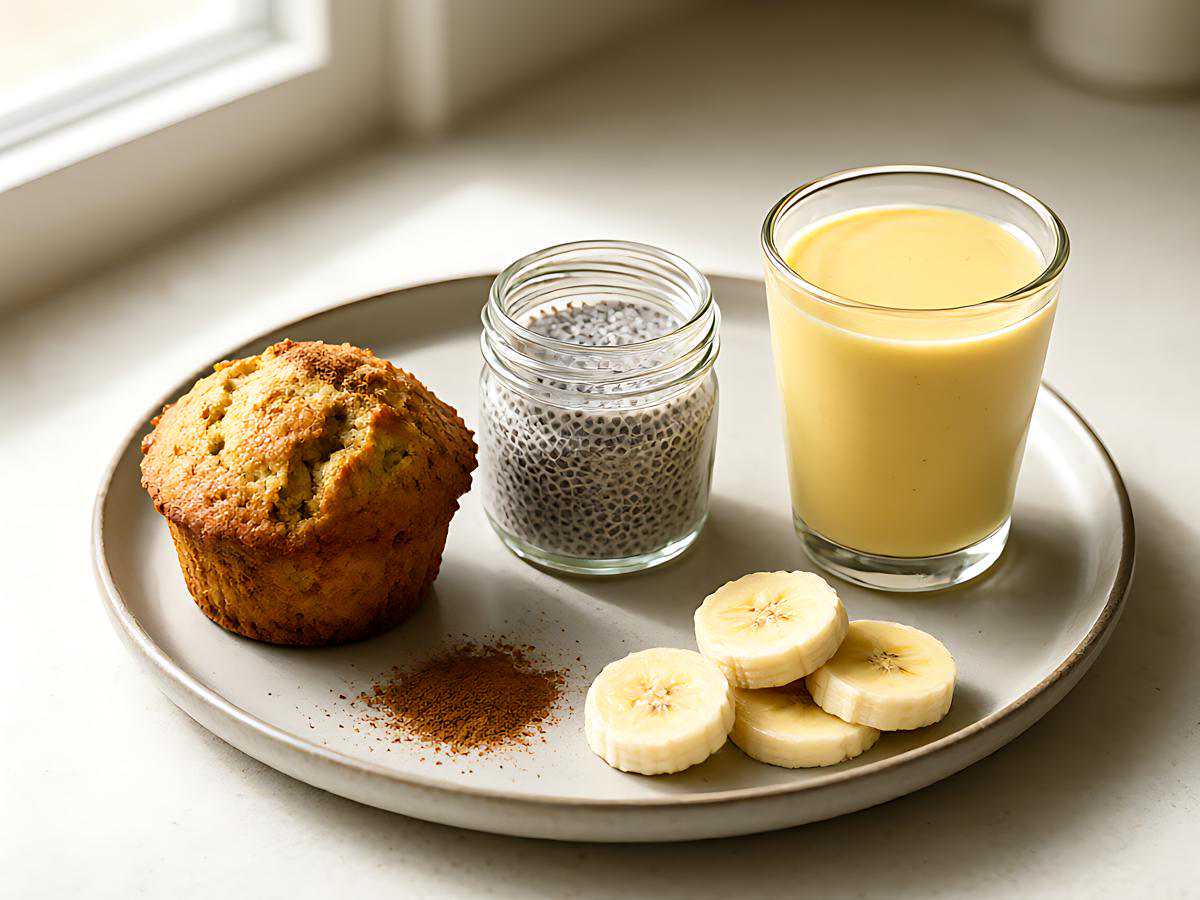
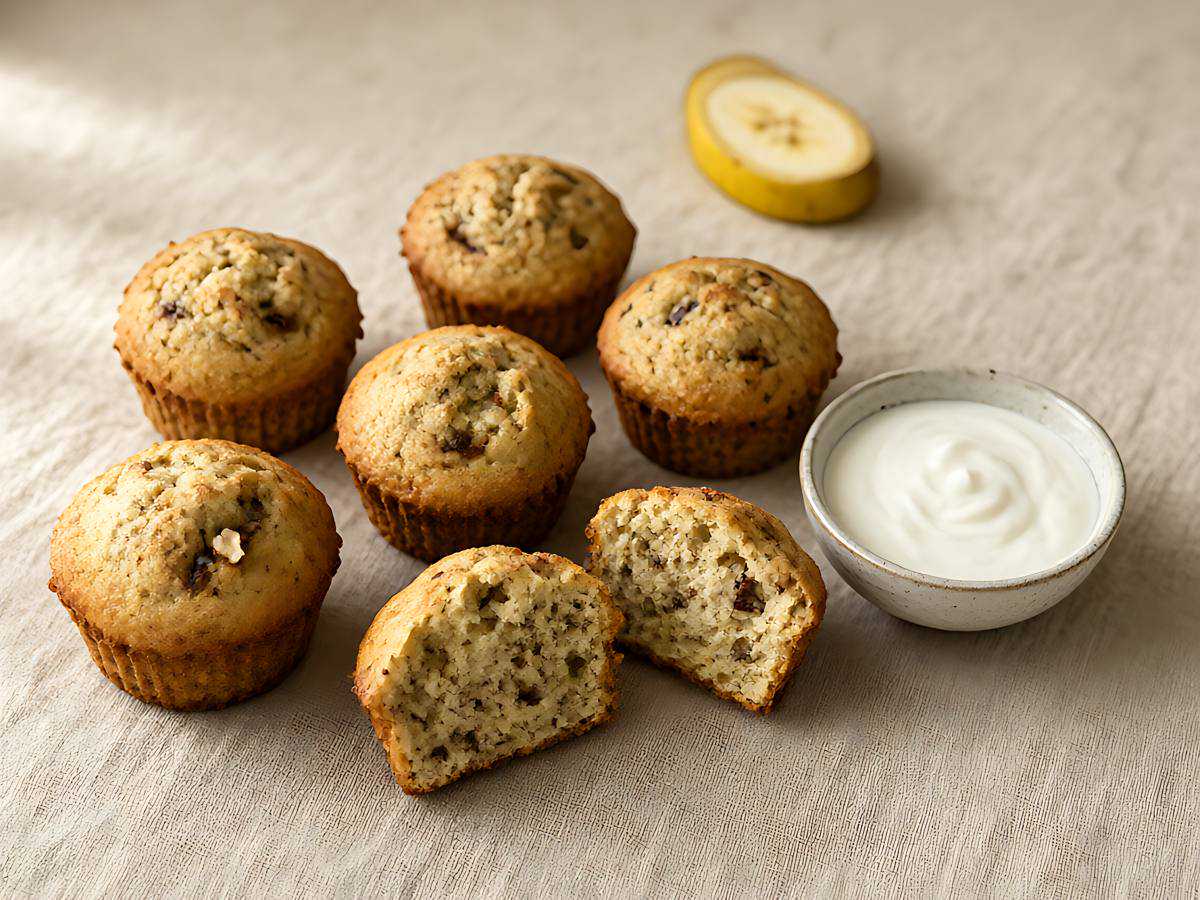
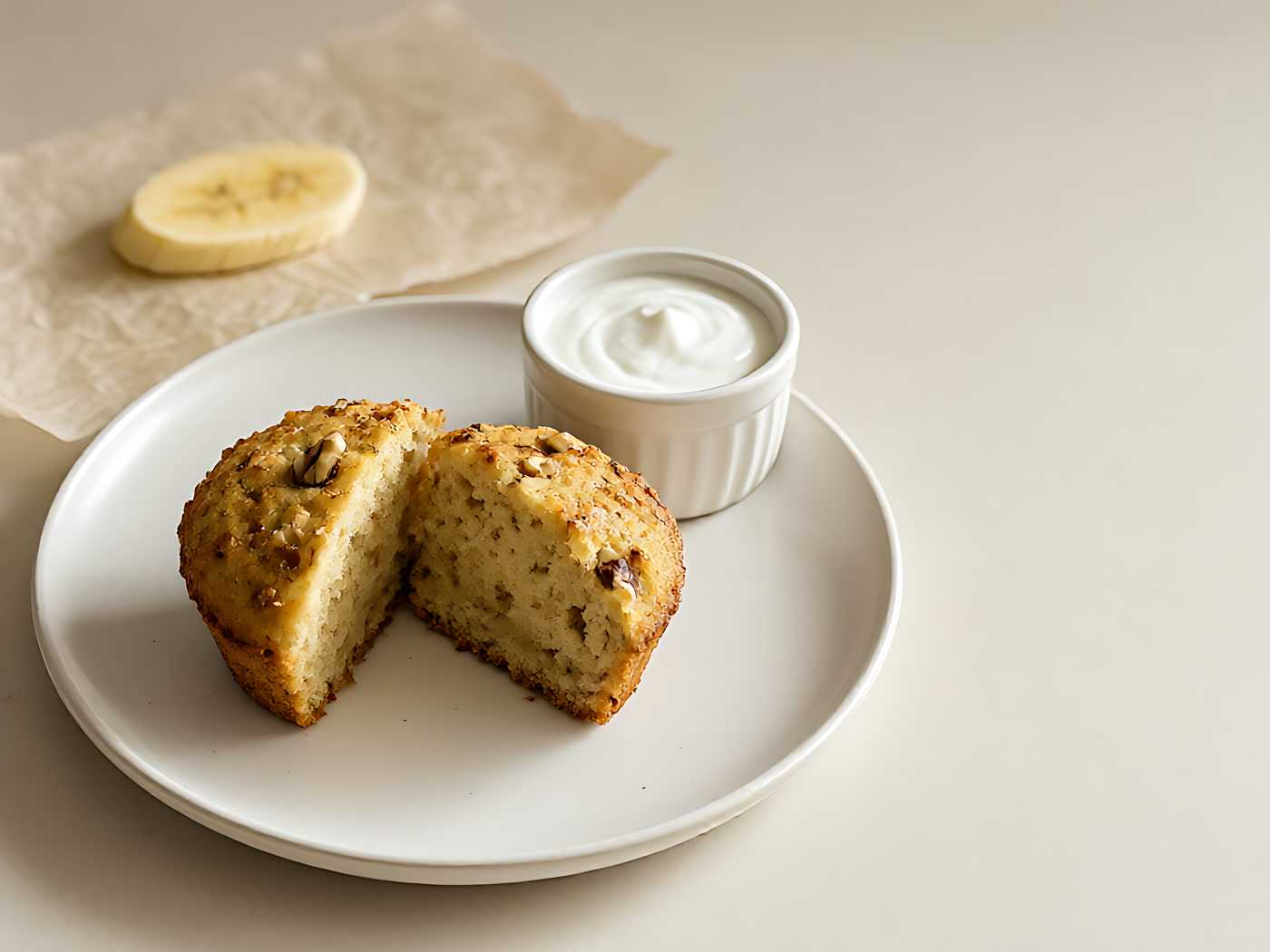
For six small muffins, use one-quarter of a ripe banana, one cup of finely ground almond flour, two eggs, two tablespoons of plain Greek yogurt, two tablespoons of melted butter or neutral oil, one teaspoon of cinnamon, one-half teaspoon of baking powder, a pinch of salt, and banana extract if you want a stronger flavor. Optional additions include chopped walnuts or a few unsweetened coconut flakes.
Heat the oven to 350°F or 175°C and line six muffin cups. Mash the banana until smooth. Whisk in the eggs, yogurt, butter, and extract. In a separate bowl, mix the almond flour, cinnamon, baking powder, and salt. Fold the dry ingredients into the wet mixture just until combined.
Divide the batter evenly. Add nuts only after deciding how they fit the serving because they add energy quickly. Bake until the centers are set and a skewer comes out with moist crumbs. Cool before storing. The muffins should taste like banana spice rather than like a conventional bakery muffin; the small fruit amount keeps the recipe more controlled.
If you need a sweeter result, use a suitable powdered sweetener rather than adding a large amount of banana. Check the sweetener label for fillers. One muffin can be paired with eggs, yogurt, or another protein rather than eaten as the entire breakfast.
Recipe 2: banana cinnamon chia pudding
Mix two tablespoons of chia seeds with three-quarters of a cup of unsweetened almond milk or another suitable milk, one teaspoon of banana extract, cinnamon, vanilla, and a measured sweetener. Stir well, wait ten minutes, stir again, and refrigerate overnight. Add a very small amount of mashed banana only if it fits your carbohydrate plan.
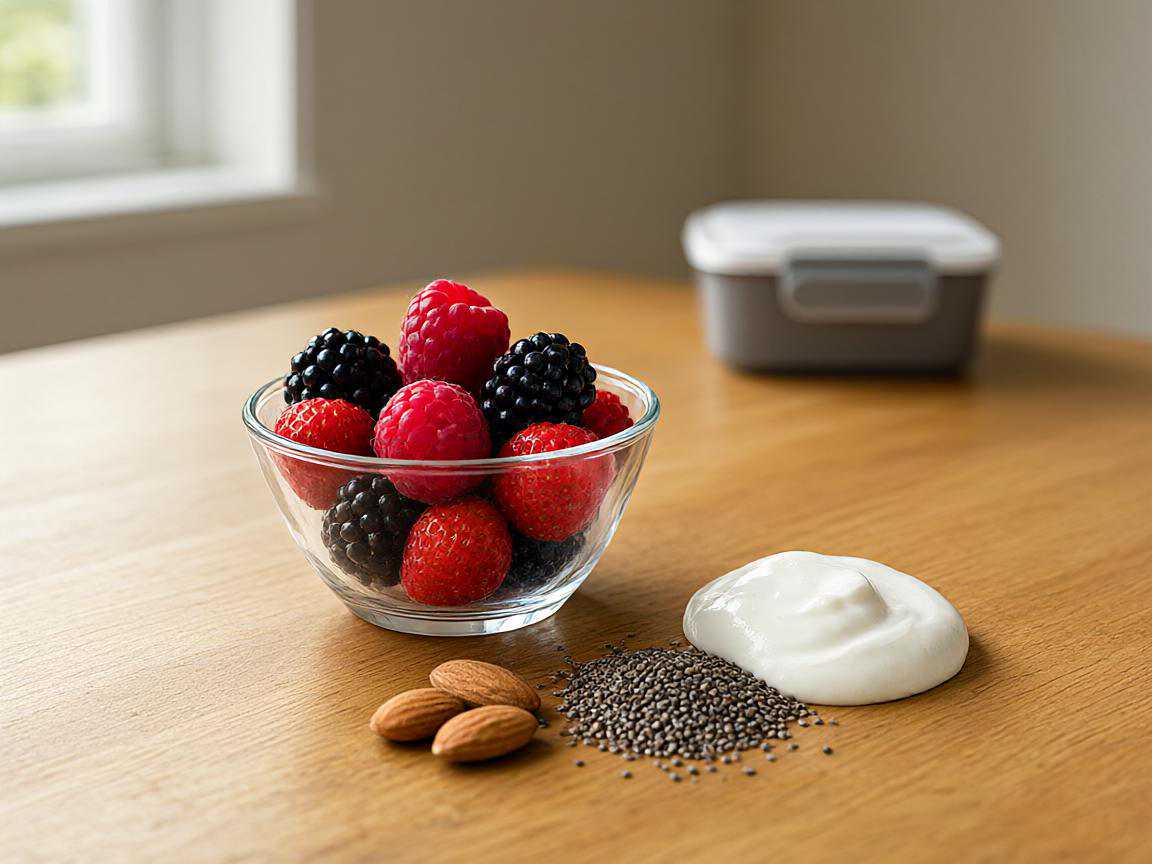
Chia pudding thickens as the seeds absorb liquid. If the mixture is too firm, add a spoonful of milk. If it is too thin, add more chia and wait. Top with plain yogurt, chopped walnuts, or cinnamon. Avoid adding a large serving of banana, granola, honey, or sweetened nut butter without counting them.
This recipe is easy to portion into jars. Keep it cold and add toppings at serving time. If you are carrying it to work, use a sealed container and a cold pack.
Recipe 3: banana protein smoothie
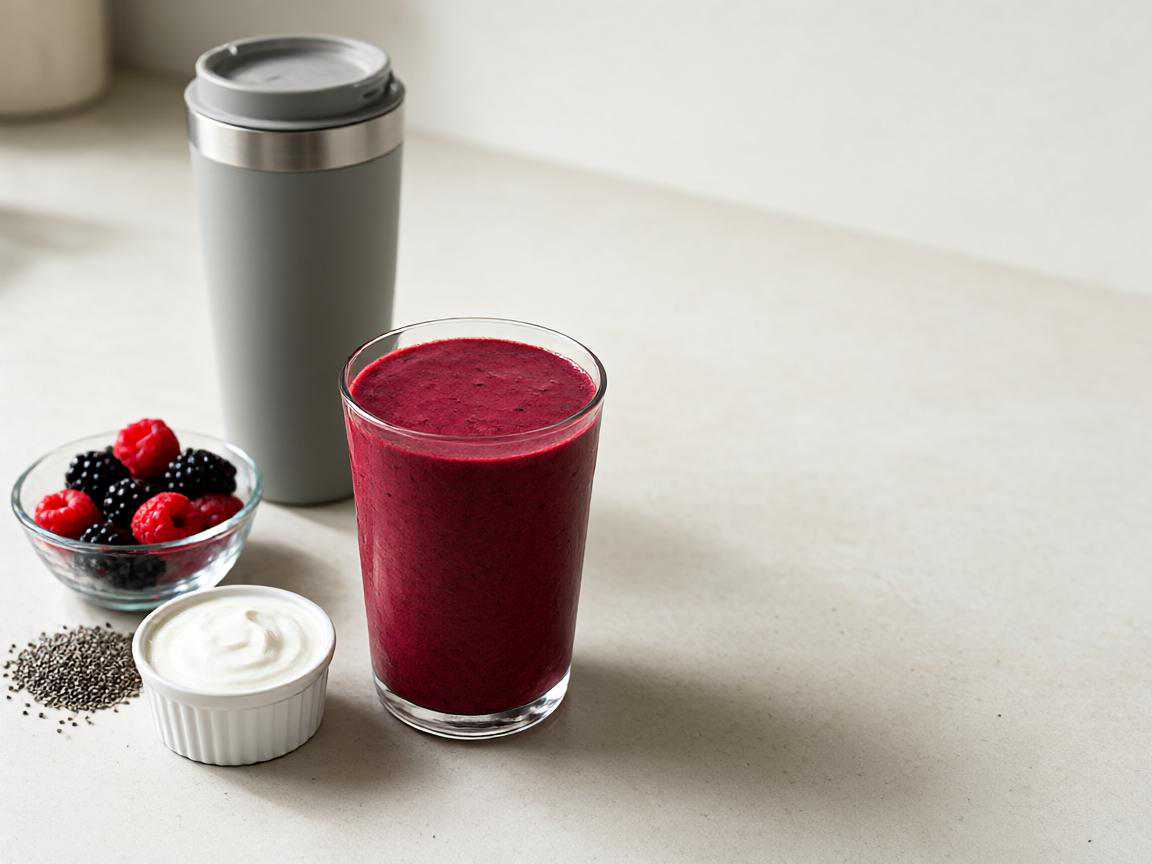
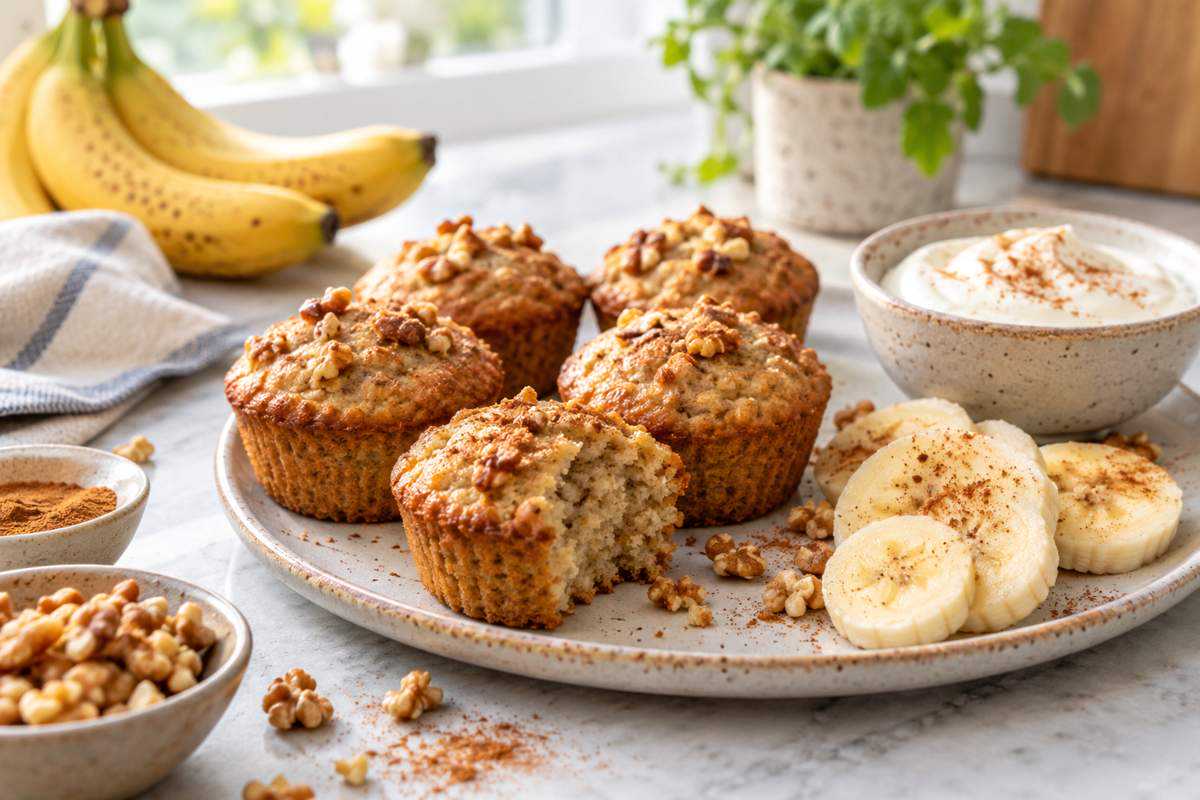
For one serving, blend unsweetened milk, plain protein powder, ice, cinnamon, a spoonful of Greek yogurt, and banana extract. Add one or two thin slices of banana only if the portion fits your plan. Use a neutral or vanilla protein powder with a clear ingredient list. Some banana-flavored powders already contain sweeteners, so taste before adding more.
A smoothie is easy to drink quickly, which can make the serving less noticeable. Pour it into a measured glass rather than using a large travel cup by default. Add spinach or ice for volume, but remember that a smoothie does not automatically replace a complete meal. If you need a meal, include enough protein and consider chewing some vegetables or another solid food.
Check the label on plant milks, protein powders, yogurt, nut butter, and flavor syrups. A smoothie can become a sugary drink when several sweet ingredients are combined.
Recipe 4: banana-spice skillet cake
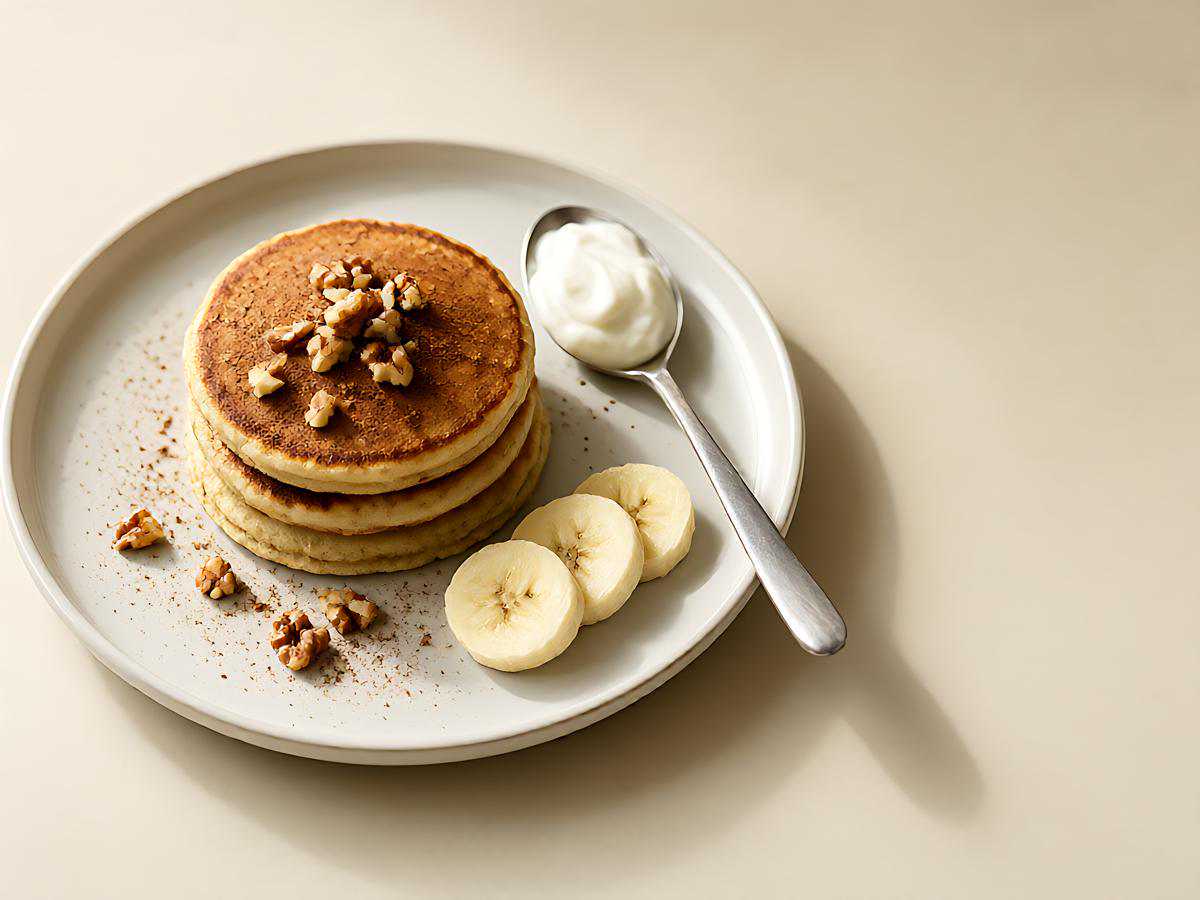
Mix one-quarter banana with one egg, two tablespoons of almond flour, one tablespoon of Greek yogurt, cinnamon, vanilla, baking powder, and a suitable sweetener. Pour into a small greased oven-safe dish or skillet and bake until the center is set. A few chopped walnuts can add texture.
Do not overbake this small cake. It continues to firm as it cools. Serve it with plain yogurt or a teaspoon of nut butter rather than a large amount of syrup. If you use coconut flour, start with a recipe designed for it because it absorbs much more liquid than almond flour.
Recipe 5: frozen banana-flavor cream cups
Blend plain Greek yogurt, avocado or a small amount of cream, banana extract, vanilla, cinnamon, and a suitable sweetener. Spoon the mixture into small molds and freeze until firm. Let the cups soften in the refrigerator before eating. The flavor is banana-like without relying on a large fruit portion.
Avocado adds creaminess but also contributes fat and calories. Cream and nut butter do the same. Choose one primary rich ingredient instead of adding all three. If you use berries or cocoa nibs as toppings, count them as part of the serving.
Frozen desserts can taste less sweet while cold. Taste the mixture before freezing, but do not make it excessively sweet because the texture changes after thawing.
Recipe 6: banana bread-style snack bars
Use almond flour, ground flaxseed, eggs, cinnamon, baking powder, vanilla, a small amount of mashed banana, and banana extract. Add a pinch of salt and a measured amount of chopped pecans. Spread the batter thinly in a lined square pan and bake until set. Cool completely before cutting into bars.
Thin bars are easier to portion than a large loaf. Label the containers and freeze extra pieces. Serve one bar with a boiled egg or plain yogurt when you need more protein. The bar is a snack component, not a guarantee of complete nutrition.
The meal-prep hub can help you plan the bars with proteins and fresh foods so the same sweet snack does not become the only food available.
Banana flavor without banana
Banana extract is the simplest way to create flavor while keeping the fruit portion small. Start with a few drops or the amount listed on the package because extracts vary in strength. Natural flavors and artificial flavors can both be used according to your preferences; the relevant question is the full ingredient list and whether the product contains sugar.
Vanilla, cinnamon, nutmeg, and toasted nuts can make a recipe read as banana bread even when the actual fruit portion is small. A little lemon zest can keep the flavor fresh. Cocoa and espresso can turn the same base into a richer dessert.
Flavored protein powders and drink mixes need careful label checks. Some products are sweetened and may contain carbohydrate or fiber blends that affect digestion. Use them as ingredients, not as a reason to skip reading the package.
Portion and nutrition planning
Count the banana portion, flour, eggs, yogurt, nuts, oils, sweetener, and toppings. Divide the total batch by the number of final servings. Six small muffins and three large muffins are not the same portion. If you use a whole banana in a large loaf, calculate the carbohydrate per slice rather than calling the loaf low carb automatically.
A lower-carbohydrate banana recipe can still be energy-dense. Almond flour, walnuts, pecans, butter, coconut, yogurt, and cream all add calories. For weight management, use a defined serving and choose one or two rich ingredients rather than stacking them.
If you count net carbohydrate, follow the method appropriate for your plan. If you monitor blood glucose or use medication, discuss fruit portions, sweeteners, and protein powders with your healthcare professional.
Label checks
Check banana extract, protein powder, almond flour, nut butter, yogurt, plant milk, sweetener, and chocolate products for sugar, starch, maltodextrin, syrups, and serving size. A product labeled sugar-free can still contain other carbohydrates. A product labeled natural does not guarantee a specific nutrition profile.
Read allergy information for almonds, walnuts, pecans, dairy, eggs, soy, sesame, and coconut. Shared equipment matters for serious allergies. If you need gluten-free ingredients, verify the certification of each product rather than assuming almond flour makes the finished recipe safe.
No brand is required for these recipes. Formulas, pricing, and availability change, so use current labels and measure your own ingredients when accuracy matters.
Storage and food safety
Cool baked muffins, cakes, and bars before sealing them. Refrigerate items containing eggs, yogurt, cream, or fresh banana. Store chia pudding, smoothies, and frozen cups cold. Use clean utensils and label the date.
Banana can darken as it sits. Browning is a quality change, but a sour smell, mold, fermentation, or slimy texture is a reason to discard the food. Do not keep dairy-based smoothies or puddings warm for long periods.
Freeze muffins and bars individually so you can thaw one serving. Thaw in the refrigerator or warm gently. Keep wet toppings separate because they soften baked goods.
Portable banana-flavored snacks
Small muffins, bars, and chia pudding cups can travel well with the right storage. Pack one portion, use an insulated bag for dairy or egg-based foods, and carry toppings separately. A plain muffin may travel more easily than a pudding jar, but both still depend on their ingredients and temperature.
For an office snack, pair a banana-spice muffin with a boiled egg, cheese portion, or plain yogurt. For a longer trip without refrigeration, choose a shelf-stable food rather than assuming a moist muffin with dairy can sit warm all day.
The office snack guide offers practical ideas for separate containers and safe transport. Portable food should be planned around temperature and texture, not only convenience.
Common mistakes
Using a whole banana automatically. A whole fruit may be suitable for one person’s plan, but it can change the carbohydrate content of a small batch. Weigh and divide it.
Assuming green banana flour is keto. Green banana flour still contributes carbohydrate. Check the package and serving size.
Adding several sweet ingredients. Banana, sweetened yogurt, protein powder, chocolate chips, and syrup can turn a small snack into a dessert with much more sugar.
Ignoring texture. Almond flour and coconut flour are not interchangeable. Watery ingredients can make muffins gummy.
Forgetting the topping. Nut butter, cream, granola, and honey count as part of the finished recipe.
Honest substitutions and disclosures
If you cannot eat banana, use banana extract with a tested recipe, or choose another flavor entirely. If you cannot eat nuts, do not swap coconut flour for almond flour without changing the liquid and binder. If you avoid dairy, use a tested dairy-free formula because plant products vary in water and starch.
These recipes are general food information, not medical advice. A low-carbohydrate recipe does not guarantee ketosis, weight loss, blood sugar control, or any other result. People with diabetes, kidney disease, allergies, digestive conditions, or medication-related restrictions should seek advice appropriate to their situation.
How to build a weekly banana recipe rotation
Use a small amount of banana in one baked batch, then use extract for a pudding or smoothie on another day. Keep the portions separate and freeze extras. Change the protein pairing: eggs with muffins, yogurt with chia, or cottage cheese with a snack bar.
Fresh cinnamon, vanilla, lemon zest, and toasted nuts can create variety without needing a large amount of fruit. Choose one sweet component and one rich component for each serving. This keeps the flavor satisfying while making the nutrition easier to understand.
For other lower-carb bases, compare the keto bread guide. The same principle applies: read the label, define the serving, and decide how the food fits the full meal.
Frequently asked questions
Can I eat bananas on keto? The answer depends on your carbohydrate target and portion. A ripe banana can use a meaningful portion of the day’s carbohydrate, so measure it and plan it rather than assuming it fits automatically.
Is banana extract low carb? Many extracts contain little carbohydrate per small serving, but formulas vary. Check the label and avoid sweetened syrups.
Can I use banana flour? You can use it in recipes if it fits your plan, but green banana flour is not automatically low carbohydrate. Count the serving.
What is the easiest recipe? Chia pudding with banana extract is simple because it does not require baking. A small almond-flour muffin batch is useful when you want a portable option.
Why is my banana muffin wet? The batter may contain too much banana or yogurt, the flour may be too coarse, or the bake may be underdone. Cool fully and adjust one ingredient at a time.
Final takeaway
Low carb banana recipes work best when the banana portion is measured, the flavor is supported with extract and spices when needed, and the finished serving is paired with protein or fresh food. Use small-batch muffins, chia pudding, smoothies, snack bars, and frozen cups according to your schedule.
Read labels on every packaged ingredient, store moist and dairy-based foods cold, and remember that almond flour and sugar-free sweeteners do not make a portion unlimited. A banana-flavored recipe can be practical without pretending the fruit has no carbohydrate.
For more portioned snack ideas, browse the low carb appetizer guide and keep the same habits: clear servings, honest labels, and safe storage.