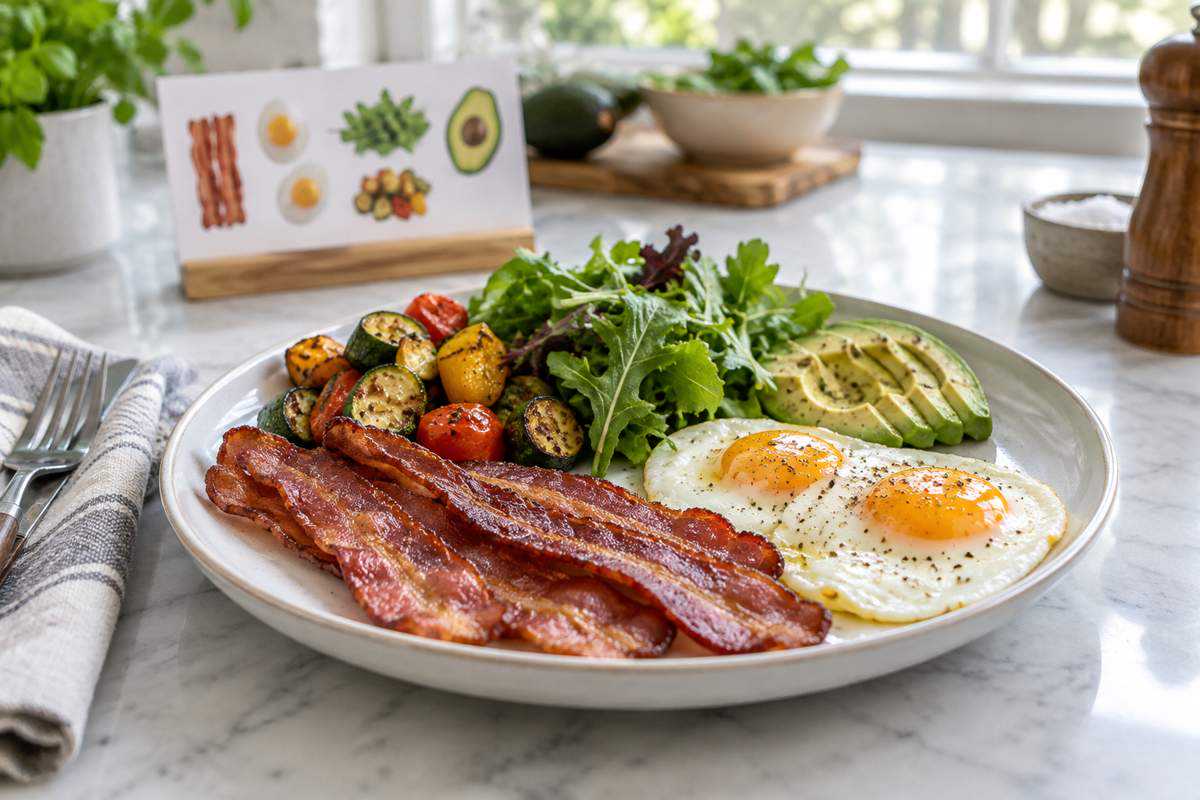
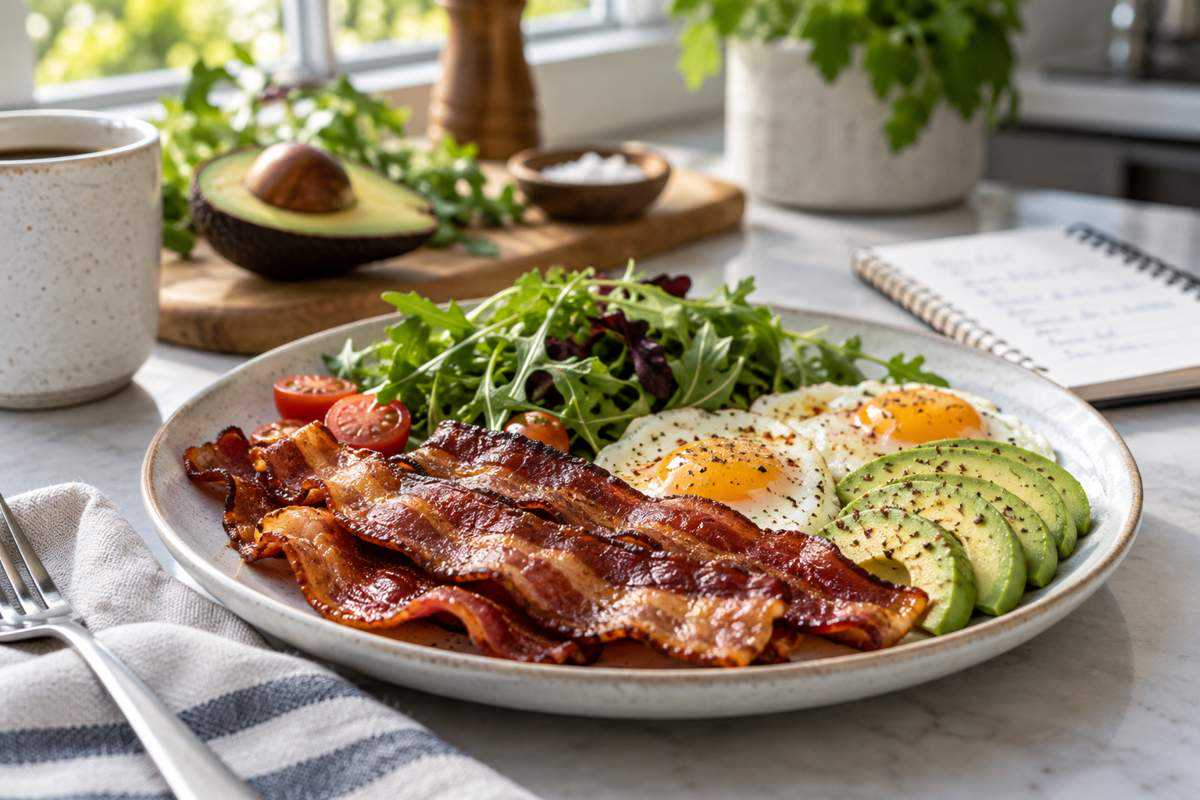
A keto avocado toast recipe is less about copying a traditional slice of toast and more about recreating the useful structure: a crisp or tender base, creamy avocado, a protein or savory topping, and enough acidity or spice to keep the bite interesting. The bread choice matters, but it is only one part of the meal. A low-carbohydrate label does not make every serving unlimited, and avocado still contributes calories and fat.
This guide gives a dependable approach for making avocado toast with a low-carb bread, seed cracker, egg base, or vegetable platform. It covers the base recipe, toppings, texture, nutrition and label checks, storage, portability, and honest substitutions. The goal is a breakfast or snack you can repeat without relying on vague claims or a single branded product.
For more small-bite ideas, begin with the snack ideas hub. It can help you decide whether the toast will be a full breakfast, a light lunch, or a smaller snack paired with protein.
What makes avocado toast work on a low-carb plan?
Classic avocado toast depends on wheat bread for structure and crunch. A lower-carb version has to replace that structure with a suitable bread, a crisp seed base, a roasted vegetable, or a cooked egg platform. The best choice is the one that holds the topping without becoming soggy. If the base is soft, use less liquid dressing. If the base is crisp, mash the avocado with enough lemon to stay creamy but not wet.
Avocado supplies richness, while acid, salt, herbs, and heat keep it from tasting flat. A protein topping such as egg, smoked salmon, tuna, chicken, or cottage cheese can make the toast more satisfying. A few fresh vegetables provide crunch and color. The formula is flexible, but the portion should remain visible.
Think of the meal as four parts: base, avocado, protein, and finish. If the bread already contains a lot of seeds and fat, you may not need a large avocado portion. If the base is light, you may use more avocado but still add protein. This approach is more useful than deciding that every avocado toast should contain a whole fruit.
Base keto avocado toast recipe
For two small servings, use two slices of a suitable low-carbohydrate bread, one ripe avocado, one teaspoon of lemon or lime juice, a pinch of salt, black pepper, and one protein topping. Good options include two eggs, a small serving of smoked salmon, tuna salad, sliced chicken, or plain cottage cheese. Optional finishes include chili flakes, chopped herbs, radish, cucumber, sesame seeds, or a few capers.
Toast the bread until it is firm enough to support the topping. If the bread is delicate, toast it twice on a low setting instead of burning the outside. While it warms, mash the avocado with the citrus juice, salt, and pepper. Leave some small pieces if you want texture. Taste before adding more salt because smoked salmon, capers, and packaged bread can already be salty.
Spread the avocado over the toast only when you are ready to eat. Add the protein, then finish with herbs, chili, or a crunchy vegetable. Cut the slices diagonally if you want smaller portions, but do not confuse a smaller shape with a smaller serving. If you are tracking nutrition, record the bread, avocado, and topping separately.
Choosing the bread base
Packaged low-carb breads vary widely. Compare the serving size, total carbohydrate, fiber, protein, calories, sodium, and ingredient list. Some loaves are soft and airy, while others are dense with seeds or fiber. A loaf that looks low in carbohydrate per slice may have a very small slice, and two slices can change the meal substantially.
Read the ingredients for wheat, nuts, seeds, dairy, eggs, sweeteners, gums, and added oils according to your needs. If you have celiac disease or a serious allergy, check the relevant certification and cross-contact statement rather than assuming a product is safe because it is marketed as keto.
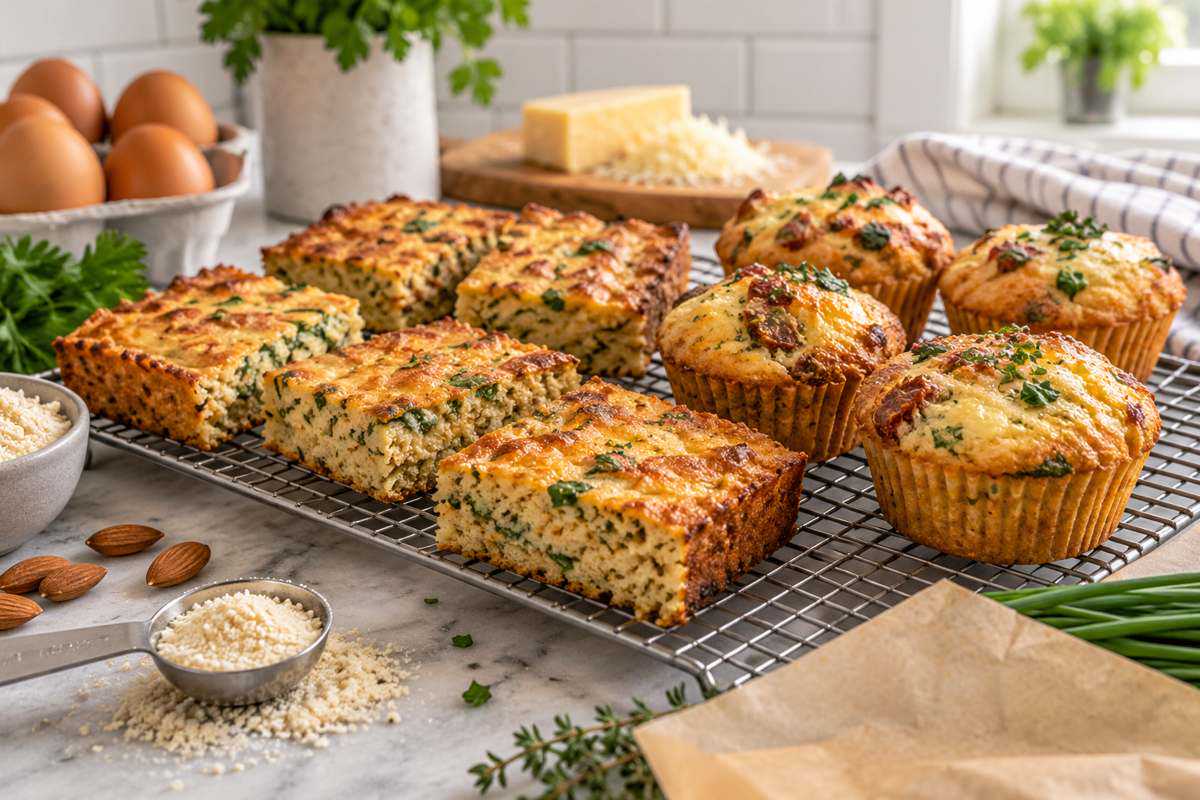
The keto bread guide can help you compare products without relying on the front label alone. A homemade base may offer more control, but a packaged bread may be easier on busy mornings.
Base alternative 1: seed and cheese crisp
For a bread-free version, combine shredded cheese with pumpkin seeds or sunflower seeds on a lined tray. Bake until the edges are browned and the center is firm. Let it cool before adding avocado. This base is crisp and flavorful, but it can be higher in energy and sodium than a thin bread slice. Use it as a small platform rather than a large replacement for several slices of toast.
Seed size affects how well the crisp holds together. A mixture with some finely chopped seeds usually binds better than only large seeds. Watch the oven closely because cheese can go from pale to burnt quickly. Add avocado shortly before serving so the crisp remains firm.
Base alternative 2: roasted eggplant or zucchini
Slice eggplant or a thick zucchini plank, brush lightly with oil, and roast until tender with browned edges. Let it cool for a minute, then add avocado and a protein topping. This version is less crunchy but adds vegetable volume. If the vegetable releases water, pat it dry before topping it.
A roasted vegetable base works well with chili, smoked salmon, egg, chicken, and herbs. Keep the topping modest because the vegetable is soft. A thick layer of wet avocado and sauce can make the plate difficult to eat.
Topping 1: egg and chili avocado toast
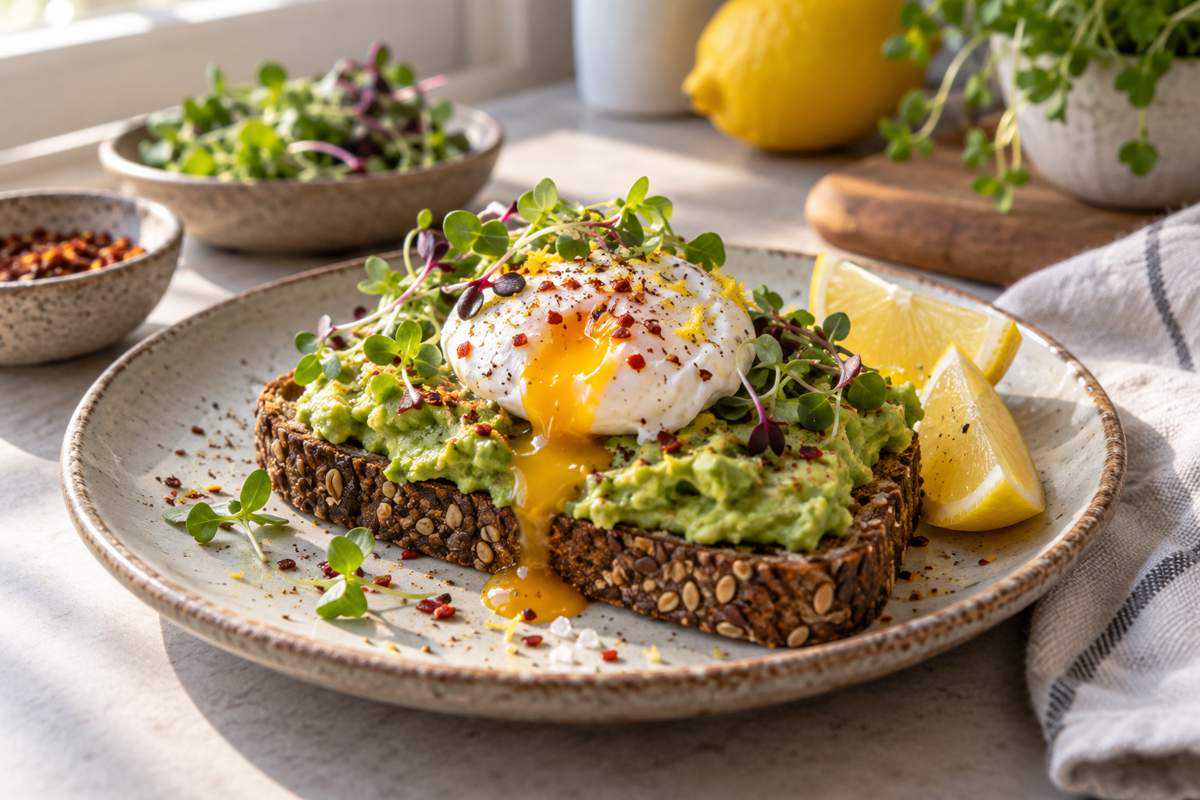
Top the avocado with a fried, poached, or boiled egg. A runny yolk can act like a sauce, but it also makes the toast more delicate. For a portable version, use a fully cooked egg and keep it chilled until serving. Finish with chili flakes, paprika, scallions, and a squeeze of lemon.
Egg size and cooking method affect the nutrition and texture. If the bread is already rich, use one egg per slice and add cucumber or greens. If this is your main breakfast, increase the protein or add another side instead of automatically adding more avocado.
Topping 2: smoked salmon and herbs
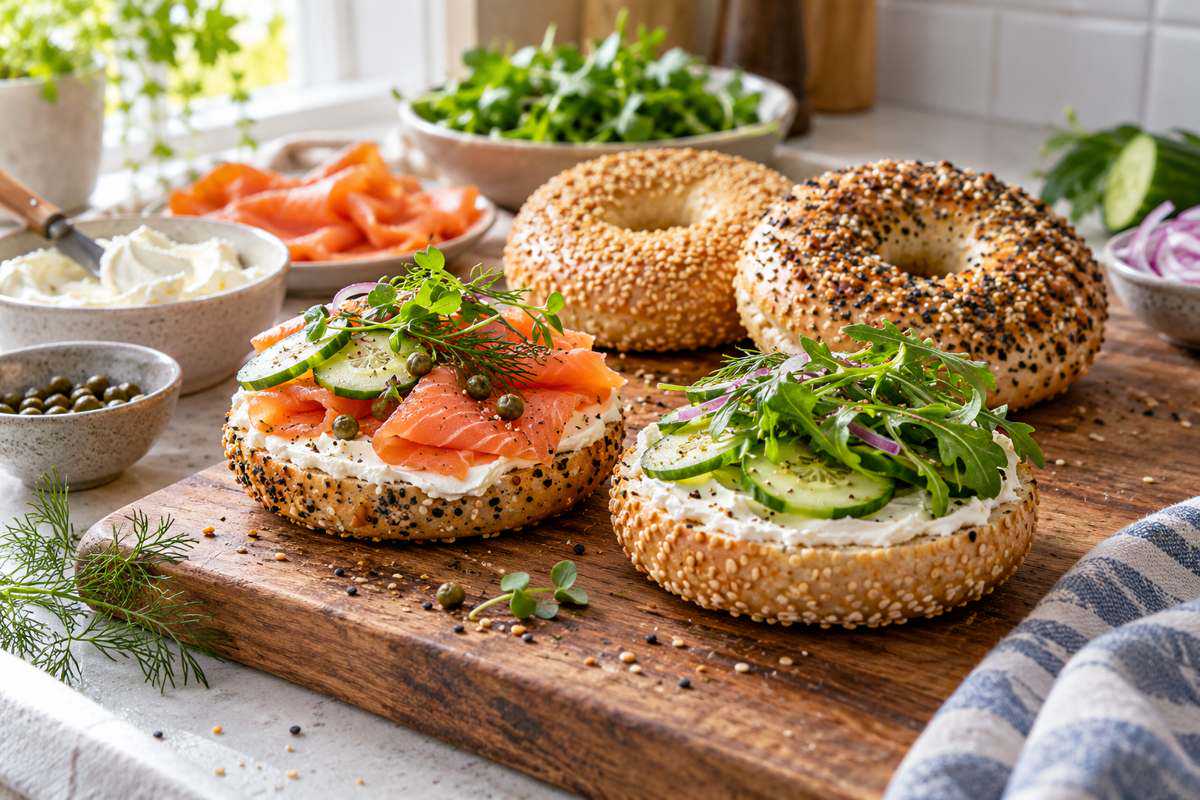
Layer smoked salmon, dill, capers, cucumber, and lemon over the mashed avocado. Use a moderate amount of smoked salmon because it can be high in sodium. Freshly cooked salmon can be used instead and usually gives a milder flavor.
Keep the salmon and avocado cold if the toast is being packed. Add capers carefully because both capers and smoked fish can make the meal salty. A handful of greens underneath the salmon adds volume without needing a large sauce.
Topping 3: tuna and crunchy vegetables
Mix tuna with celery, lemon, parsley, and a small amount of plain yogurt or mayonnaise. Spread avocado on the toast, add tuna, and finish with radish or cucumber. Measure the dressing so the tuna mixture remains balanced rather than becoming a large creamy topping.
Check tuna packets, flavored tuna, and mayonnaise labels for sugar, starch, oils, and sodium. Pack the tuna separately if you need to travel. Assemble just before eating so the bread stays crisp.
Topping 4: chicken, tomato, and basil
Use sliced roasted chicken, a small amount of tomato, basil, and black pepper. If tomatoes fit your carbohydrate plan, they add acidity and freshness. If you need less moisture, use sun-dried tomato sparingly or replace tomato with roasted red pepper strips that have been drained.
Chicken makes the toast more substantial, but it should still be cooked, cooled, and stored safely. Use a cold pack when carrying it. For meal prep, keep bread, chicken, avocado, and vegetables in separate containers.
Topping 5: cottage cheese and herbs
For a creamy, higher-protein option, spoon plain cottage cheese over avocado and add chives, pepper, lemon zest, and cucumber. Choose the curd size you prefer and check the label for added sugar or high sodium. If dairy does not work for you, use mashed egg or a suitable dairy-free protein alternative.
Because cottage cheese adds moisture, toast the bread firmly and eat soon after assembly. This topping is better for home breakfasts than long travel unless the components remain separate.
Flavor variations
For a Mediterranean direction, use lemon, parsley, olives, cucumber, and a small amount of feta. For a Mexican-inspired version, use lime, cilantro, chili, and a measured spoon of salsa. For an Asian-inspired version, use sesame seeds, scallions, ginger, and a small amount of tamari. Read salsa, chili sauce, and tamari labels because prepared products can contain sugar or starch.
For a simple savory finish, use everything-bagel seasoning, but measure it because the blend can be salt-heavy. For a breakfast version, add smoked paprika and chives. For a richer finish, use a few pumpkin seeds instead of a large amount of cheese or oil. The goal is contrast, not a long list of toppings.
Portion and nutrition planning
The final nutrition depends on the bread, avocado size, topping, and amount of oil or dressing. If you make two slices with half an avocado, divide the avocado before mashing so each serving is clear. If you use a whole avocado, decide whether the recipe makes two servings or one meal with appropriate protein and vegetables.
Lower carbohydrate does not mean low calorie. Avocado, seed breads, cheese crisps, eggs, salmon, and oil can all contribute energy. For weight management, choose one or two main fat sources rather than adding every rich ingredient at once. You can keep the toast satisfying with acidity, spice, herbs, and crunchy vegetables.
If you need precise carbohydrate information, calculate the recipe from the specific labels and weights you use. Net carbohydrate calculations depend on the method you follow. A package’s claim is not a substitute for reading the serving size.
Label and ingredient checks
Check bread labels for total carbohydrate, fiber, protein, calories, sodium, and serving size. Some products use added fibers or sugar alcohols, which may affect people differently. Look at the ingredient order for sweeteners, syrups, starches, and oils. The word keto does not tell you whether the bread suits your medical, allergy, or digestive needs.
Check smoked salmon, deli chicken, tuna salad, salsa, mayonnaise, seasoning, and cheese for added sugar or high sodium. A small amount of sauce can be enough. Fresh lemon, lime, herbs, garlic, pepper, and chili are useful ways to add flavor without relying on a sweet dressing.
No brand is required for this recipe. Product formulas, prices, and availability change. If a specific packaged ingredient is mentioned as an example, treat it as a category to compare, not as an endorsement or a promise of results.
Storage and meal prep
Avocado browns after cutting, and toast softens under wet toppings. For the best texture, toast the bread and mash the avocado shortly before serving. If you must prep ahead, store the bread at room temperature in a dry container, keep the avocado in an airtight container with wrap pressed against the surface, and store protein and vegetables separately.
Use lemon or lime to slow browning, but do not assume acid makes avocado shelf-stable. Refrigerate prepared avocado and perishable toppings. Label containers and use a cold pack when transporting them. If the avocado develops an unpleasant smell, mold, fermentation, or a slimy texture, discard it.
For batch preparation, cook eggs or chicken, wash vegetables, and portion toppings. Assemble one serving at a time. This component approach is also useful for other foods; the meal-prep hub offers more ways to organize separate ingredients without forcing every meal to have the same flavor.
Portability for work and travel
Avocado toast is easiest to transport when the bread, avocado, protein, and vegetables are separate. Carry the bread in parchment, the avocado in a sealed container, and the protein in a leak-resistant container with a cold pack. Assemble at the desk or destination. This takes a little more effort but protects the texture.
If you must assemble at home, use a firm toasted base, drain wet toppings, and avoid thin sauces. Egg, tuna, chicken, and seafood require safe temperature control. A car, backpack, or office drawer is not a refrigerator. The office snack guide has additional packing ideas for separating wet and dry components.
For a short trip without refrigeration, a whole avocado and a shelf-stable base may be easier than prepared avocado toast. Cut and assemble only when you have a clean surface and a safe food-storage plan.
Common problems and fixes
The bread falls apart. Toast it more firmly, use a smaller amount of topping, or choose a denser loaf. Some high-fiber breads are fragile until toasted.
The toast is soggy. Drain vegetables and fish, reduce liquid dressing, and assemble later. A thin spread of avocado is easier to control than a thick layer.
The avocado tastes bitter. The fruit may be underripe or spoiled, or it may need salt and acid. If the smell is off, do not cover it with seasoning; discard it.
The meal is not satisfying. Add a clear protein portion or more vegetable volume. Do not assume that adding more avocado is the only solution.
The flavor is flat. Add lemon, lime, vinegar, herbs, chili, pepper, or a small amount of a salty ingredient. Taste before adding more oil or cheese.
Honest substitutions and disclosures
If you cannot eat eggs, dairy, nuts, wheat, or fish, select a base and topping that match your allergies. An egg-free or nut-free bread needs its own formula; direct substitutions may change moisture and structure. If you have celiac disease, use certified gluten-free ingredients where appropriate and prevent cross-contact.
Avocado toast may be lower in carbohydrate than conventional toast, but that does not guarantee ketosis, weight loss, blood sugar control, or any other outcome. People with diabetes, kidney disease, food allergies, digestive conditions, or medication-related dietary restrictions should ask a qualified professional how the recipe fits their needs.
This guide contains general food information, not individualized medical advice. Product examples are not endorsements. Use current labels and your own measurements when you need accurate nutrition information.
A simple weekly avocado toast plan
Prepare one firm bread option, cook a small batch of eggs or chicken, wash crunchy vegetables, and keep lemons and herbs available. Make an egg version on one day, smoked salmon on another, chicken and tomato on a third, and tuna or cottage cheese on a fourth. Change the seasoning so the meal does not feel repetitive.
Use a small avocado portion when the bread and topping are rich. Use more vegetable volume when you want a larger plate. If the toast is a snack, add a modest protein side. If it is breakfast, build a complete meal around it rather than eating several unplanned slices.
For small savory pairings, the low carb appetizer guide can provide ideas for using the same toppings on cucumber, egg, or vegetable bases instead of bread.
Final takeaway
A keto avocado toast recipe is successful when the base holds the topping, the avocado portion is clear, and the meal has enough protein and fresh contrast. Toast the bread firmly, mash avocado with acid and seasoning, add a protein topping, and assemble close to serving. Read packaged labels, keep perishable ingredients cold, and separate components for travel.
The recipe is flexible enough for breakfast, a work snack, or a light lunch. Treat it as a practical framework rather than a promise. With a measured serving and a topping that fits your needs, avocado toast can remain simple, satisfying, and repeatable.